Hiking Snacks: The Best Trail Snacks to Fuel Every Hike
A practical, no-fluff guide to choosing, packing, and enjoying the best hiking snacks — from short afternoon walks to multi-day treks in the backcountry.
Quick Answer
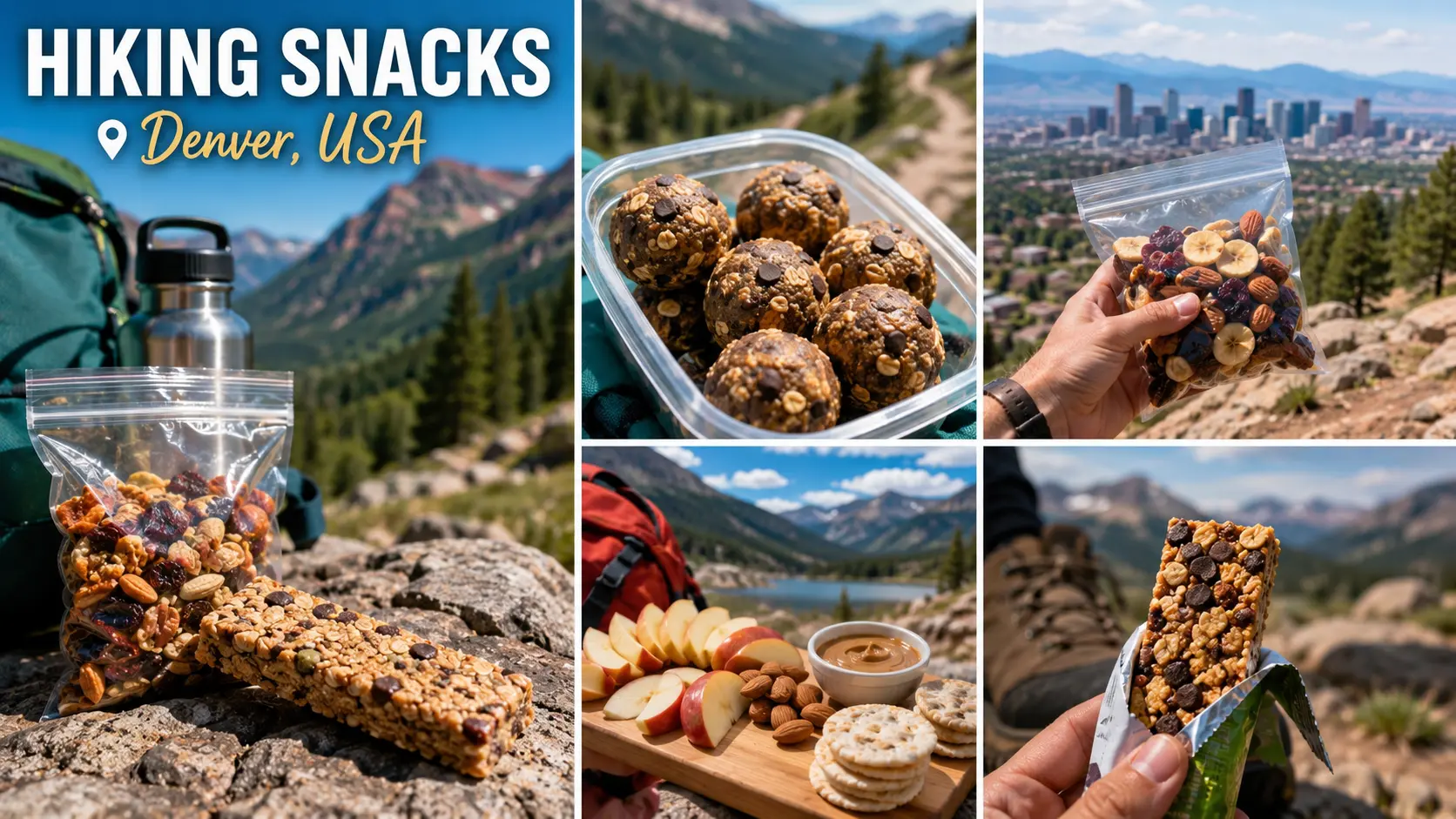
If you’ve ever hit mile four and suddenly felt shaky, foggy, or just done, you already know why hiking snacks matter. The best hiking snacks combine carbohydrates, protein, and healthy fats in a lightweight, shelf-stable form — trail mix, nut butter packets, jerky, dried fruit, and granola bars all fit the bill. A simple rule of thumb: pack 100 to 200 calories of snacks for every 30 to 45 minutes on the trail, mixing salty options with sweet ones to keep both your energy and your electrolytes steady.
- All-around picks: trail mix, jerky, nut butter packets, dried fruit, granola bars
- Calorie rule: 100–200 calories per 30–45 minutes of hiking
- Balance: pair something salty with something sweet
- Multi-day trips: prioritize calories per ounce, not just taste
On this page
- Why hiking snacks matter
- What makes a good hiking snack
- Best hiking snacks: 6 categories
- Trail snacks comparison chart
- Snacks for every type of trip
- How many snacks to pack
- Packing and storage tips
- Mistakes to avoid
- FAQ
- Key takeaways
The Science, Simplified
Why Hiking Snacks Matter More Than You Think
Hiking is more physically demanding than most people expect, and food is the fuel that keeps your body — and your mood — running smoothly.
Depending on your body weight, your pack load, and how steep the trail is, hiking typically burns somewhere between 300 and 600 calories an hour, noticeably more than a casual walk on flat ground. Add elevation gain, heat, or a loaded backpack, and that number climbs even higher.
300–600Calories burned per hour hiking
90–120Minutes of stored energy before a crash
150–250Recommended snack calories per hour
Your body stores roughly 90 to 120 minutes’ worth of easily accessible energy, known as glycogen, before it starts running low. That’s why hikers who skip snacks often report the same thing around the two-hour mark: heavy legs, a foggy head, and a sudden drop in motivation. Hikers sometimes call this “hitting the wall” or “bonking,” and once it happens, it’s hard to bounce back from without stopping to refuel and rest.
Sweat doesn’t just take away water — it also carries out sodium, potassium, and magnesium, the electrolytes your muscles and nerves need to work properly. On a hot or long hike, replacing only water without any salt can actually make things worse, leading to cramps or, in rare but serious cases, hyponatremia (dangerously low blood sodium). It’s one reason experts consistently recommend carrying more food than you think you’ll need, not just more water — see our guide to hiking near Denver for trail-by-trail tips on what to expect.
From the Trail
“On a section hike of the Appalachian Trail through Virginia, rationing snacks too conservatively on a 12-mile day, thinking to save the good stuff for later, is a classic mistake. By mile eight, energy is gone and pace has dropped to half-speed — a textbook case of under-fueling. The fix is simple: eat before you feel hungry, not after. A small handful of trail mix every 45 minutes keeps blood sugar steady in a way that one big snack at lunch never does.”
The Criteria
What Makes a Good Hiking Snack?
Not every snack that’s great in your kitchen is a good hiking snack. On the trail, a few extra rules apply.
- Calorie-dense, not bulky. Look for snacks that pack a lot of energy into a small, light package. Ounce for ounce, nuts and nut butters beat most fresh produce.
- Balanced macros. A mix of carbs (quick fuel), protein (muscle repair), and fat (slow, steady energy) keeps you going longer than sugar alone.
- Heat- and cold-stable. Chocolate melts, bananas bruise, and some bars turn into bricks below freezing. Choose snacks that suit your climate and season.
- Easy to eat on the move. Good hiking snacks don’t need a fork, a bowl, or a stop. One hand, one bite, keep walking.
- Low mess, low waste. Wrappers and crumbs matter in the backcountry. Snacks that pack out clean are easier to enjoy responsibly — a core Leave No Trace habit.
- Gentle on your stomach. Trail time isn’t the moment to test a brand-new food. Stick with snacks you already know agree with you.
The Full Lineup
The Best Hiking Snacks: 6 Categories Worth Packing
Good hiking snacks aren’t one single food — they’re a mix. Here are the categories experienced hikers reach for again and again, along with specific hiking snack ideas for each one.
1
Trail Mix and Nuts
Trail mix — sometimes called GORP, short for “Good Old Raisins and Peanuts” — is a hiking classic for a reason. A handful of almonds, cashews, walnuts, or pumpkin seeds delivers healthy fats and plant protein in almost no weight at all. Making your own trail mix lets you control the salt and sugar: try roasted peanuts, dried cranberries, a few dark chocolate chips, and a pinch of sea salt.
2
Protein-Rich Snacks
Beef jerky, turkey jerky, and even salmon jerky are lightweight, shelf-stable, and packed with protein — ideal for longer hikes where muscle fatigue sets in. Hard cheeses like aged cheddar or gouda travel surprisingly well without refrigeration for a day or two, and roasted chickpeas or edamame add crunch with real staying power.
3
Fresh and Dried Fruit
Apples and oranges come in their own natural packaging, which protects them from getting crushed in your pack — oranges are especially good for hot-weather hikes since they double as hydration. For multi-day trips, dried fruit like mango, apricots, and dates is lighter and shelf-stable while still delivering fast-acting natural sugars.
4
Carb-Loaded Quick Energy
When you need a fast boost, say, on a steep switchback, energy chews, gels, and granola bars are built for exactly that. Brands like Honey Stinger and Clif Bloks were originally designed for endurance athletes, but they work just as well for hikers who need quick, easy-to-digest carbs. Pretzels and rice cakes do a similar job for less money.
5
Salty Snacks and Electrolyte Boosters
Don’t underestimate salt. Pretzels, salted nuts, and even a small bag of chips replace the sodium you sweat out, which helps prevent cramping on hot or long days. Many hikers also carry electrolyte tablets or powder to mix into water — a smart backup on top of, not instead of, salty snacks.
6
Homemade Hiking Snack Ideas
If you like knowing exactly what’s in your food, homemade snacks are worth the extra ten minutes. Energy balls made from oats, peanut butter, honey, and a handful of chocolate chips are a favorite among long-distance hikers because they’re customizable, affordable, and freezer-friendly. Homemade granola and dehydrated fruit leather are two more budget-friendly hiking snack ideas.
The outdoor experts at REI’s Expert Advice team make a similar point: packing a variety of snacks, rather than one big bag of the same thing, is one of the simplest ways to stay motivated on a long trail day.
At A Glance
Best Hiking Snacks Comparison Chart
Here’s how popular trail snacks stack up side by side, so you can build a mix that fits your hike.
| Snack | Avg. Calories | Protein | Shelf Life | Best For |
|---|---|---|---|---|
| Trail mix (¼ cup) | ~170 kcal | 5 g | Weeks, sealed | All-day steady energy |
| Beef jerky (1 oz) | ~110 kcal | 9 g | Months | Protein + sodium |
| Nut butter packet | ~190 kcal | 7 g | Months | Quick fat and protein |
| Dried fruit (¼ cup) | ~120 kcal | 1 g | Weeks–months | Fast sugar + fiber |
| Granola/energy bar | ~200 kcal | 4 g | Weeks–months | Convenient carbs |
| Energy chews (1 pkg) | ~170 kcal | 0 g | Months | Endurance boost |
| Hard cheese + crackers | ~250 kcal | 10 g | 1–2 days, no fridge | Multi-day trips |
| Fresh apple | ~95 kcal | 0.5 g | Days | Hydration + fiber |
Values are approximate averages and vary by brand and serving size. Always check the label, especially when rationing food for a multi-day trip.
Match The Trip
Hiking Snacks for Every Type of Trip
The best snacks for hiking change depending on how long you’ll be out and how far you’ll be from a store.
Day Hikes
For a two- to five-hour day hike, you have more flexibility. Fresh fruit, a sandwich, or even a small treat like chocolate-covered espresso beans are all fair game since you won’t be carrying them for days. Focus on convenience and enjoyment — day hikes are where lighter, “nice to have” snacks really shine, whether you’re on an easy loop or tackling one of the best waterfall hikes near Denver.
Multi-Day Backpacking Trips
Weight becomes the priority once you’re carrying several days of food on your back. Backpackers generally aim for foods with the highest calories per ounce: nut butters, olive oil packets, dehydrated meals, and dense energy bars all deliver more fuel per pound than fresh produce. REI’s backpacking guides recommend choosing food with at least 100 calories per ounce, ideally 125 or more, to keep your pack light without running short on fuel. Anything that needs refrigeration or spoils quickly, like fresh meat or dairy beyond day one, is best left at home.
In bear country — places like Yosemite, Rocky Mountain National Park, or sections of the Appalachian Trail — food must be stored in a bear canister or properly hung, both for your safety and the animals’. Planning a longer trip through Colorado’s high country? Our guide to the Denver Colorado mountains covers routes and logistics worth reading before you go.
Hiking Snacks for Travelers
Combining hiking with travel — flying somewhere to hit a trail in Zion, the Alps, or a national park you’ve never visited — adds a few extra wrinkles. If you’re packing snacks in a carry-on, solid foods like jerky, nuts, and bars are TSA-friendly, while gels and spreadable nut butters over 3.4 ounces need to go in checked luggage, according to the TSA’s own snack guidelines. Travelers should also expect heat: a snack that sits in a hot car or overhead bin for hours needs to survive that, which rules out anything that melts easily. Many travelers also enjoy picking up local trail snacks near the trailhead — a small way to experience a destination’s food culture while staying fueled. Flying out of Denver for the trip? It’s worth comparing DIA short-term parking for a quick weekend hike against DIA long-term parking if you’ll be out on the trail for several days.
The Math
How Many Snacks Should You Pack?
A simple formula covers most hikers: multiply your estimated hiking time by 150 to 250 calories per hour of snacks, on top of any full meals, then add roughly 20 percent extra as a buffer for delays or a harder-than-expected trail.
| Hike Duration | Recommended Snack Calories |
|---|---|
| 2-hour hike | 300–500 calories |
| 4-hour hike | 600–1,000 calories |
| Full-day hike (8 hrs) | 1,200–2,000 calories, plus a proper lunch |
Cold weather changes the math too — your body burns extra calories just staying warm, so winter hikers should pack toward the higher end of these ranges. The golden rule among experienced backpackers: it’s always better to hike out with one extra granola bar than to run out with miles still to go.
Field-Tested
Smart Packing and Storage Tips for Trail Snacks
- Pre-portion your snacks into small reusable pouches or zip bags so you’re not digging through one big bag mid-trail.
- Keep quick-energy snacks accessible in an outer pocket, and save “emergency” snacks deeper in your pack for when you really need them.
- Store food away from your sleeping area overnight, and use a bear canister or bear bag where required. The National Park Service’s food storage guidance notes that canisters must stay closed and locked to work, and that odor-free, compact foods like nuts, jerky, and dried fruit are easiest to store safely.
- Freeze grapes or juice boxes the night before a summer hike — they thaw into a cool snack and double as a mini ice pack in your pack.
- Skip snacks that melt easily in warm weather unless they’re labeled heat-resistant, especially chocolate-based mixes.
- Pack out every wrapper and peel. Even “natural” scraps like orange peels count as litter on most trails under Leave No Trace guidelines.
Learn From Others
Common Hiking Snack Mistakes to Avoid
- Packing only sugar. A candy-only snack bag gives a quick spike and an even quicker crash. Balance it with protein and fat.
- Forgetting salt. Especially on hot or long hikes, this raises your risk of cramping and hyponatremia.
- Choosing messy or awkward snacks. Anything that needs a spoon, drips, or crumbles everywhere isn’t built for the trail.
- Underestimating your time on trail. Hikes almost always take longer than the map suggests. Pack for extra time, not just the “planned” time.
- Ignoring dietary needs. Store-bought trail mix can hide common allergens like peanuts or tree nuts. Check labels if you or your hiking partner has allergies.
Straight Answers
Frequently Asked Questions About Hiking Snacks
What are the best snacks for hiking?
The best snacks for hiking mix carbohydrates, protein, and fat in a lightweight, non-perishable form. Trail mix, jerky, nut butter packets, dried fruit, and granola bars are reliable, well-rounded choices for most hikers.What should I eat during a long hike?How much food should I bring on a day hike?Are bananas good for hiking?What hiking snacks don’t melt in hot weather?Can I bring hiking snacks on a plane?What are good hiking snacks for winter?How do I keep hiking snacks safe from animals?
The Short Version
Key Takeaways
- The best hiking snacks balance carbs, protein, and fat in a lightweight, shelf-stable form.
- Pack roughly 150–250 calories of snacks per hour of hiking, plus a buffer.
- Mix salty and sweet options to manage both energy and electrolytes.
- Multi-day trips call for calorie-dense, non-perishable food; day hikes allow more flexibility.
- Store food properly, using bear canisters where required, and pack out all wrappers.
- When in doubt, bring one more snack than you think you need.