Best Things to Do in the Smoky Mountains
You’ve picked the Smoky Mountains for your next trip, and now the real problem starts. One search for things to do in the Smoky Mountains, and you’re staring at overlapping lists of waterfalls, scenic drives, theme parks, and cabins, with no clear sense of what’s actually inside the national park versus what’s happening in town. That’s a lot to sort through when you’ve only got a few days.
This guide splits it out clearly: what to do inside Great Smoky Mountains National Park itself, the broader outdoor activities the region offers, and the top things to do in Gatlinburg and nearby towns once you’re ready for food, shopping, or a break from hiking near Denver. You’ll also get a sample 3-day plan and the fee details almost every guide skips.
Planning Your Trip: What to Know Before You Go
Great Smoky Mountains National Park is unusual among national parks because it charges no traditional entrance fee. Instead, you’ll need a parking tag if you plan to leave your vehicle anywhere in the park for more than 15 minutes, which covers nearly every stop on this list. As of 2026, tags cost $5 for a day, $15 for a week, or $40 annually, and importantly, the America the Beautiful pass does not cover this fee.
Our team cross-checked every distance, fee, and difficulty rating below against the park’s own current data rather than relying on older blog posts, since trail closures, road closures, and fee amounts shift more often than most travel guides update. That matters because a five-year-old “best of” list can send you to a closed trailhead or a wrong parking fee.
Best Things to Do Inside Great Smoky Mountains National Park
Drive the Cades Cove loop
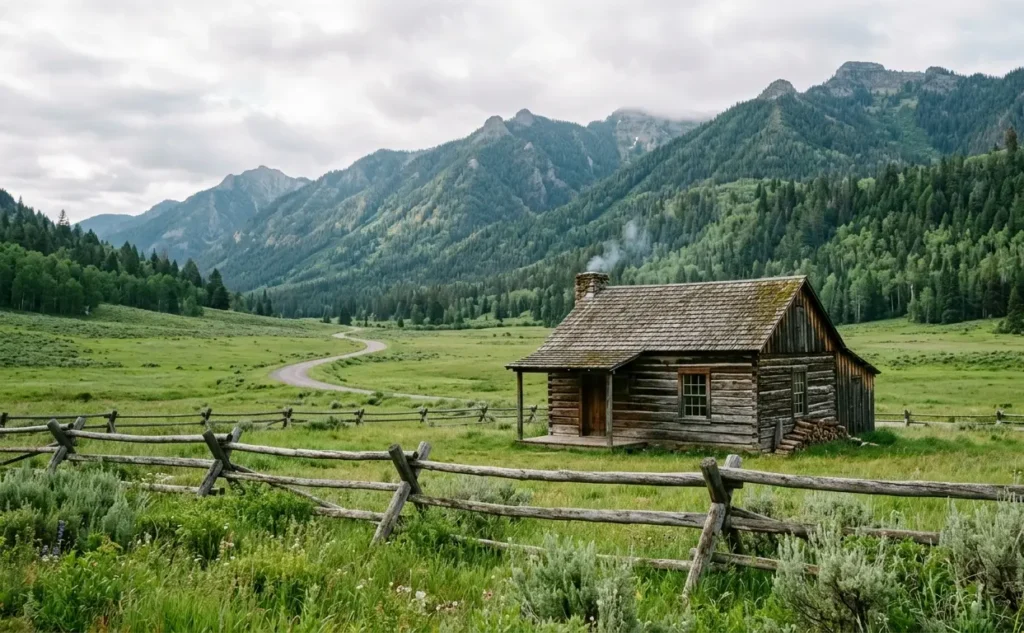
Cades Cove is consistently named the single most popular destination inside the park, and once you’re there, it’s easy to see why. This 11-mile, one-way loop road winds through a scenic valley lined with historic churches, cabins, and a working gristmill, and it’s one of the best places in the park to spot black bears, deer, and wild turkeys. Plan for two to four hours if you visit during peak season, since traffic can crawl.
Hike to a Waterfall
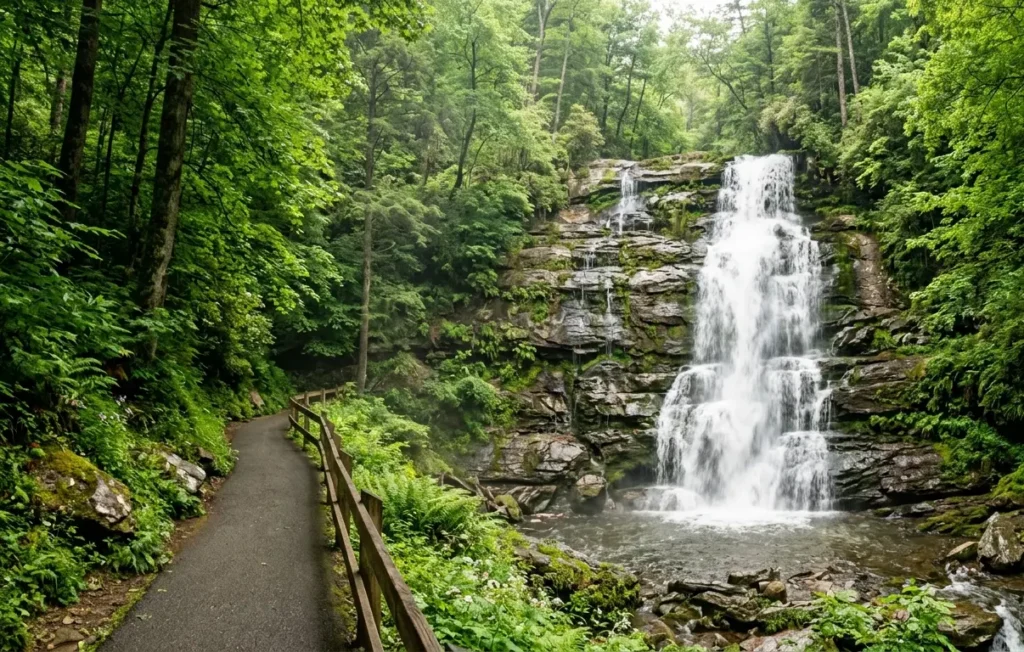
With more than 100 named waterfalls scattered through the park, waterfall hikes are one of the top things to do in the Smoky Mountains for visitors of every skill level. Laurel Falls is the most popular pick for families, a paved 2.4-mile round trip to an 80-foot falls. Grotto Falls stands out because it’s the only waterfall in the park you can walk behind, reached by a moderate 2.6-mile round trip. For a longer payoff, Abrams Falls runs 5 miles round trip through Cades Cove, while Ramsey Cascades, the tallest waterfall in the park, requires a demanding 8-mile round trip.
Watch for Wildlife
The Smokies are home to more than 1,500 black bears, along with elk, deer, wild turkeys, and dozens of bird species. Elk are most reliably spotted near the Oconaluftee Visitor Center and in Cataloochee Valley during early morning and evening hours, while black bears turn up along Newfound Gap Road, in Cataloochee Valley, and around Cades Cove. Keep a safe distance in every case, since these are wild animals in their own habitat, not park mascots.
Visit Kuwohi (Formerly Clingmans Dome)
Kuwohi, the Cherokee name recently restored to what was long called Clingmans Dome, is the highest point in the park at 6,643 feet and the third-highest peak east of the Mississippi. A steep, paved half-mile trail leads to an observation tower with views stretching up to 100 miles on a clear day. The access road closes from early December through late March, so this one’s a warm-season stop.
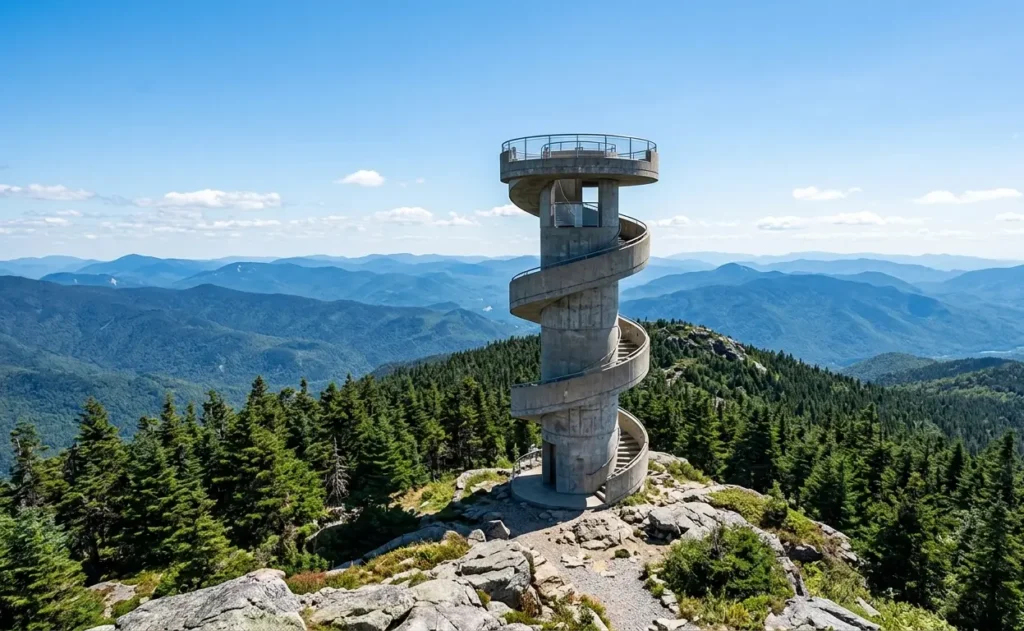
Drive Newfound Gap Road and Roaring Fork
Newfound Gap Road is the main route through the park, crossing the Tennessee–North Carolina line with pull-offs and long-range overlooks the entire way. From near its northern end, Roaring Fork Motor Nature Trail branches into a slower, one-way loop past historic homesteads and trailheads for Grotto Falls and Rainbow Falls, though the narrow road and small parking areas mean it’s best driven early or late in the day.
Explore Historic Cabins and the Mountain Farm Museum
Because the land became a national park rather than a development, dozens of 19th-century homesteads still stand throughout the Smokies, including the John Oliver Cabin in Cades Cove and the Walker Sisters’ home near Little Greenbrier. The Oconaluftee Visitor Center’s Mountain Farm Museum groups several of these historic buildings, including a log farmhouse and working blacksmith shop, in one easy stop on the North Carolina side of the park.
More Outdoor Activities in the Smoky Mountains
Beyond the park’s signature stops, the surrounding national forest and rivers open up a wider set of national park activities and outdoor adventures.
Whitewater Rafting on the Pigeon River
Hartford, Tennessee, on the park’s north side, is the base for whitewater rafting trips down the Pigeon River. Rapids typically run Class 1 to 3 in late summer but can climb to Class 4 in spring or after heavy rain, and outfitters also rent inflatable kayaks for a more self-guided pace.
Horseback Riding
Several registered stables, including those at Smokemont and Cades Cove, are authorized to take riders inside the park’s boundaries. Outfitters outside the park boundary can offer trail rides nearby, but only these registered stables can legally bring horses into the park itself.
Fontana Lake Paddling
Fontana Lake sits at the park’s southern edge, separating the Smokies from the Nantahala National Forest. Renting a kayak, paddleboard, or small boat here offers a quieter, water-level view of the surrounding mountains.
Wildflower Walks and Fall Color Drives
The park is renowned for its wildflowers, which bloom from February through November, alongside dramatic fall foliage that typically peaks from mid-September through early November. Either season adds a different character to the same trails and drives.
Top 5 Things to Do in Gatlinburg, Tennessee
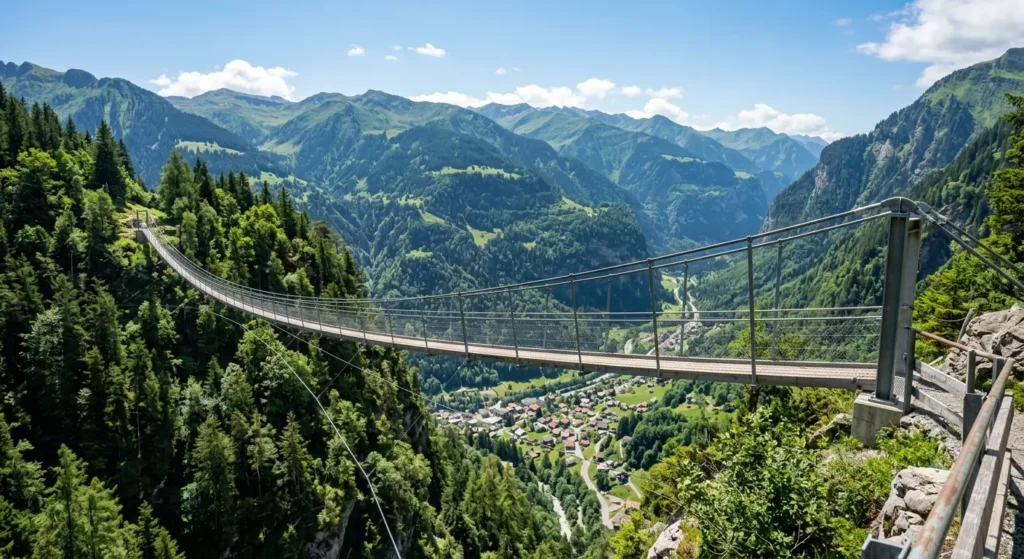
Gatlinburg sits right at the park’s main entrance, and it’s worth a separate stop for these five things to do:
- Ride the Gatlinburg SkyLift and walk the SkyBridge, a pedestrian suspension bridge with sweeping mountain views.
- Head up to Ober Gatlinburg for an aerial tramway ride, plus skiing or snow tubing in winter.
- Browse the Great Smoky Arts & Crafts Community, an 8-mile loop of working studios and galleries, one of the largest gatherings of independent artisans in the country.
- Visit Ripley’s Aquarium of the Smokies, a reliable rainy-day or high-heat option downtown.
- Ride the free Gatlinburg Trolley and walk the downtown parkway for shopping, moonshine distillery tastings, and dining without needing to find parking twice.
Things to Do in Pigeon Forge and Sevierville
Just down the road from Gatlinburg, Pigeon Forge and Sevierville add a different kind of energy to a Smoky Mountains trip. Dollywood anchors the area, combining a theme park, water park, and a genuine piece of regional history in one place. The Old Mill Campus, built in 1830 and still an operating gristmill, pairs restaurants and shopping with real local history. Beyond that, go-kart tracks, mini golf courses, and dinner shows like the Hatfield & McCoy feud show round out the family-friendly side of a Smoky Mountains vacation.
How to Spend 3 Days in the Smoky Mountains
If you’re wondering how to spend 3 days in the Smoky Mountains, here’s a simple framework that balances park time with town time.
|
Day |
Focus |
Suggested Stops |
|---|---|---|
|
Day 1 |
Park highlights |
Cades Cove Loop, wildlife watching, an easy waterfall hike like Laurel Falls |
|
Day 2 |
Elevation and views |
Newfound Gap Road, Kuwohi observation tower, Oconaluftee Visitor Center |
|
Day 3 |
Town and recovery day |
Gatlinburg SkyLift, Arts & Crafts Community, or Dollywood in Pigeon Forge |
Swap any day’s afternoon for a moderate hike (Grotto Falls or Alum Cave) if your group wants more trail time and less driving.
Best Time to Visit and Tips for the Smoky Mountains
- Buy your parking tag before you go, since the park’s official fees and parking tag page let you print one in advance, and many trailheads don’t have a tag machine on site.
- Visit fall weekdays if you can. Mid-September through early November brings the best foliage, but weekends get crowded fast; a Tuesday or Wednesday trip cuts down on both traffic and full lots.
- Expect the park to feel remote. Distances between sights are longer than they look on a map, so budget real driving time between Cades Cove, Newfound Gap, and Cataloochee.
- Winter access is limited. Roads like the one to Kuwohi close from December through March, and some mornings the main roads don’t open until park rangers confirm conditions are safe.
- Give wildlife real space. Black bears and elk are common sights, but they’re wild animals; watch from your car or a safe distance rather than approaching for photos.
Frequently Asked Questions
What not to miss in the Great Smoky Mountains?
Most first-time visitors should prioritize the Cades Cove Loop, at least one waterfall hike (Laurel Falls for an easy option, Grotto Falls for something a bit more memorable), and either Kuwohi or Newfound Gap Road for the long mountain views. Wildlife watching along Cades Cove or near Oconaluftee rounds out a solid first visit.
What is the main attraction of the Great Smoky Mountains?
Cades Cove is widely considered the park’s single biggest draw, thanks to its mix of historic buildings, mountain scenery, and reliable wildlife sightings in one scenic loop. Kuwohi (formerly Clingmans Dome) is a close second for anyone chasing the highest, widest views in the park.
How to spend 3 days in the Smoky Mountains?
A workable 3-day plan splits time between the park and the surrounding towns: one day for Cades Cove and an easy waterfall hike, one day for Newfound Gap Road and Kuwohi, and one day for Gatlinburg or Pigeon Forge attractions like the SkyLift, Arts & Crafts Community, or Dollywood.
What are the top five things to do in Gatlinburg, Tennessee?
The top five typically include riding the Gatlinburg SkyLift and SkyBridge, visiting Ober Gatlinburg, browsing the Great Smoky Arts & Crafts Community, stopping by Ripley’s Aquarium of the Smokies, and riding the free Gatlinburg Trolley through downtown for shopping and dining.
Final Thoughts
The Smoky Mountains reward visitors who plan for both sides of the trip: the quiet, historic, wildlife-rich side inside the national park, and the livelier side waiting in Gatlinburg and Pigeon Forge once you’re ready for a change of pace. Whether you’ve got one day or a full week, starting with Cades Cove, a waterfall hike, and a stop at Kuwohi or Newfound Gap Road gives you the core of what makes this park the most visited in the country.
From there, let your group’s interests decide the rest. Families chasing theme parks and mini golf will lean toward Pigeon Forge, while anyone craving quiet trails and long views should stay closer to the park itself. Either way, a printed parking tag and a rough day-by-day plan will save you more time on this trip than any single “must-see” attraction could.