Truck Parking Near Me: A Comprehensive Guide for Drivers and Fleet Managers
Truck parking is a critical aspect of logistics and transportation. Whether you’re a long-haul driver, managing a fleet of trucks, or just planning your next trip, finding safe and convenient truck parking is a top priority. In this detailed guide, we’ll dive into the nuances of truck parking near me, its importance, the types of parking available, how to find it, safety considerations, pricing expectations, and more. By the end, you’ll have a solid understanding of how to make smarter decisions when searching for parking spots in denver for your truck, ensuring not only convenience but also safety and compliance with regulations.
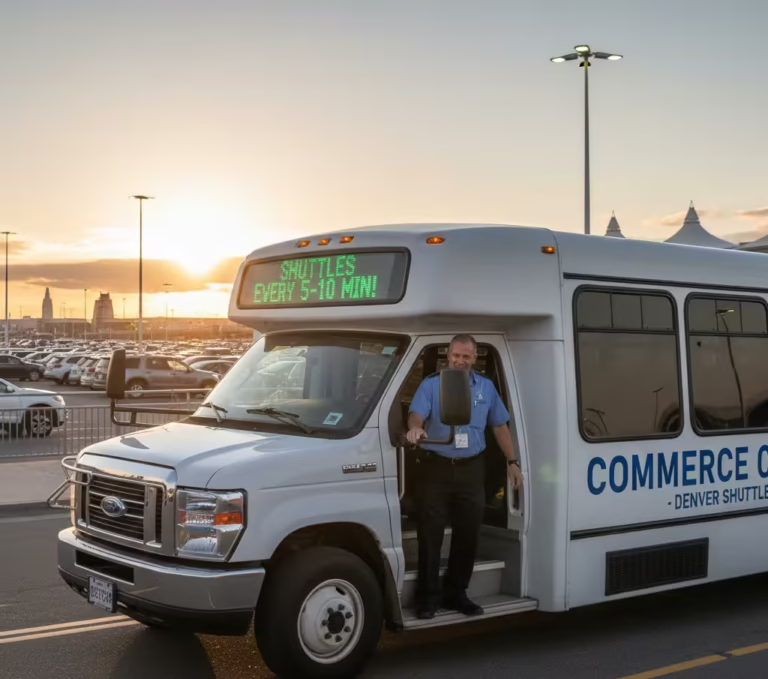
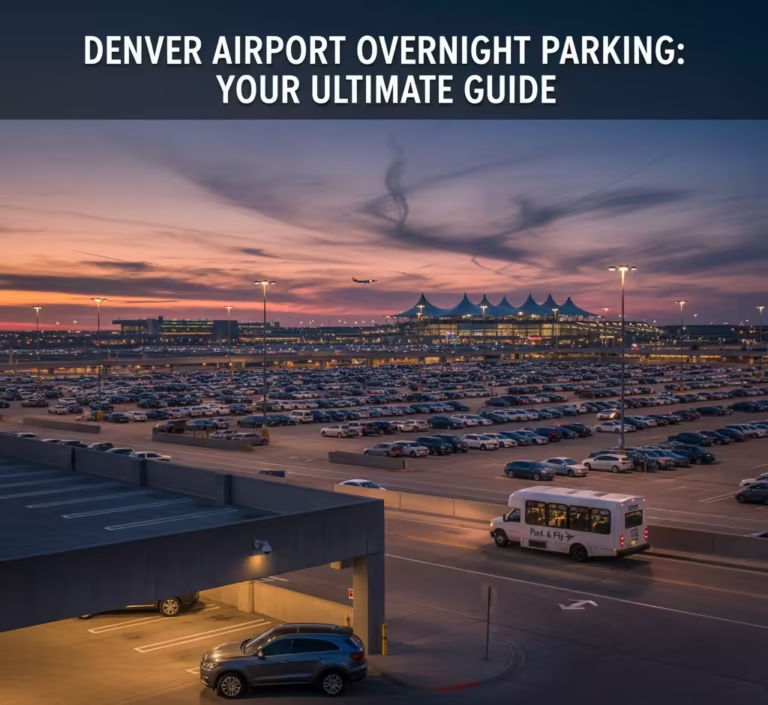
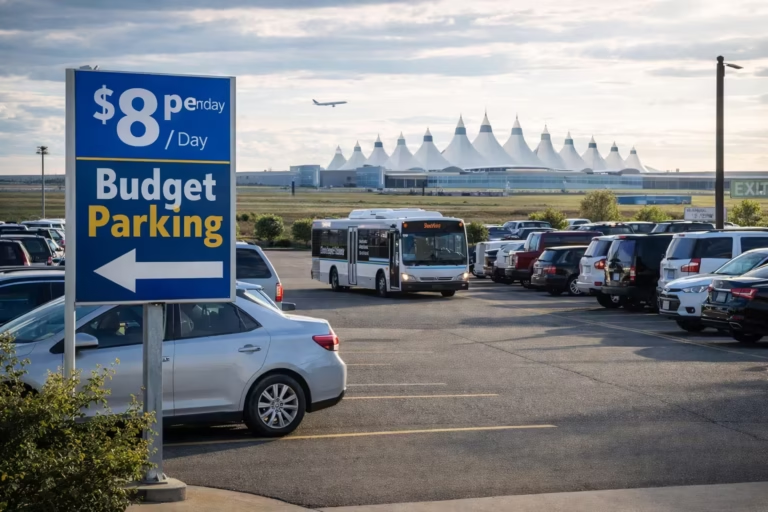
Major logistics routes around the biggest airport in the world often experience high demand for truck parking spaces.
Understanding the Need for Truck Parking
Truck parking is more than just a place to stop for a rest. It’s a vital resource that keeps the transportation industry running smoothly. With strict Hours-of-Service (HOS) regulations in place, truck drivers are required to rest after driving for a certain number of hours. Inadequate parking options often lead to unsafe parking practices, which can contribute to accidents, delays, and even fines. This is why understanding how to find proper truck parking near your location is crucial for maintaining safety and compliance.
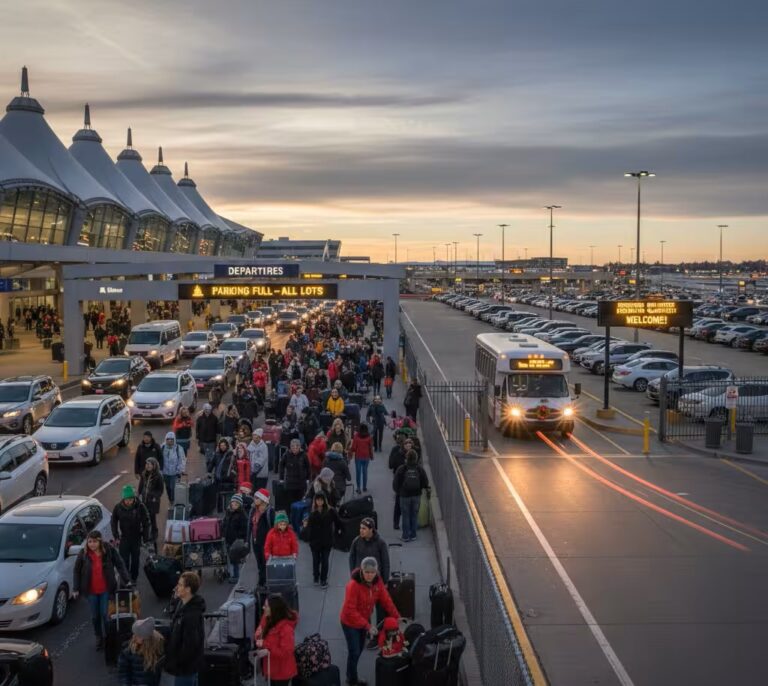
The shortage of parking spaces for trucks is a well-known issue in the transportation industry, especially in high-demand urban areas or near major transportation hubs. With an increasing number of trucks on the road, finding parking at the right time can be a challenge. However, with the right knowledge and tools, securing a parking space doesn’t have to be a stressful experience.
Types of Truck Parking
When searching for parking, it’s essential to understand the different types of parking options available. Each type serves a specific need and comes with its set of advantages and disadvantages.
- Overnight Parking
Overnight parking is designed for truck drivers who need to take a mandated rest break, usually after driving for long periods. These parking spots can be found at truck stops, rest areas, and dedicated parking lots. For long-haul drivers, overnight parking is essential for compliance with HOS regulations. Overnight truck parking near the biggest airport in the world fills up quickly during peak shipping seasons. - Long-Term Parking
Some trucks require longer-term parking, particularly if drivers are on vacation, off-duty, or transitioning to a different route. Long-term parking may also be necessary for vehicles in need of storage. These parking areas are generally more secure and might offer additional amenities like 24/7 surveillance and fencing. - Fleet Parking
Fleet parking spaces are reserved for companies that manage multiple trucks. These lots are often leased on a monthly or yearly basis. Fleet parking spaces are typically larger to accommodate various types of vehicles and may include specialized amenities tailored to the needs of trucking companies. - Secure and Gated Parking
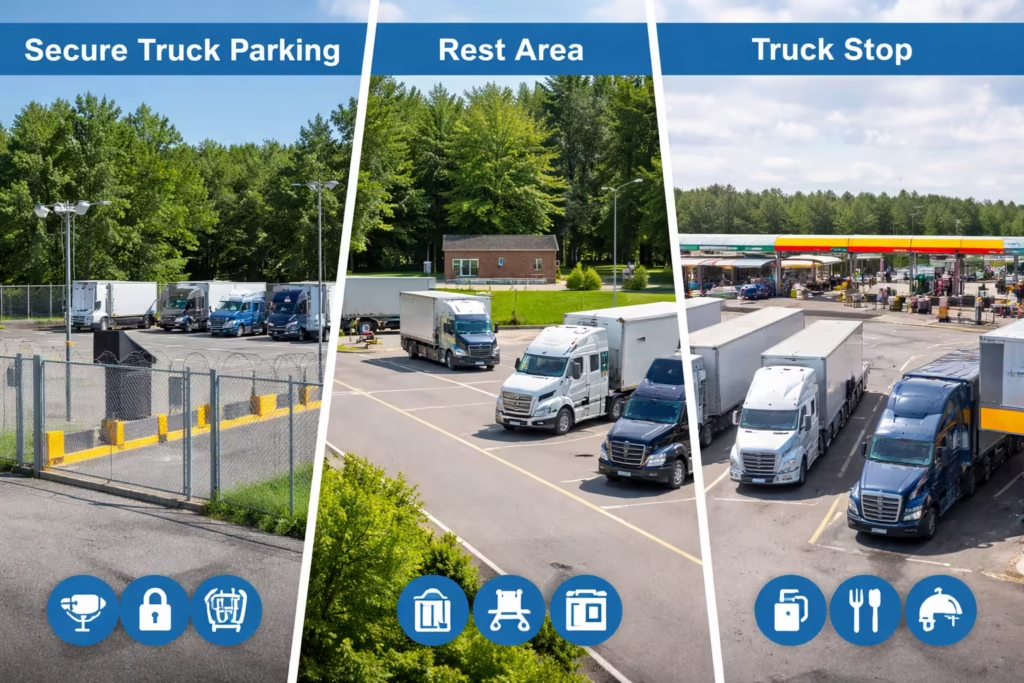
For valuable cargo, it’s essential to find a secure parking space. Secure parking lots are often gated with security cameras, guard services, and controlled access. These types of lots provide peace of mind, ensuring that both the truck and cargo are safe from theft or damage. - Rest Areas vs. Truck Stops
It’s important to distinguish between rest areas and truck stops. Rest areas are free parking areas located along highways, typically offering minimal services (such as restrooms and vending machines). On the other hand, truck stops are specialized facilities designed for truck drivers, offering a wide range of services like fuel stations, food, showers, and parking. While truck stops often come with additional amenities, rest areas are usually free but may not be suitable for long-term parking.
How to Find Truck Parking Near Me
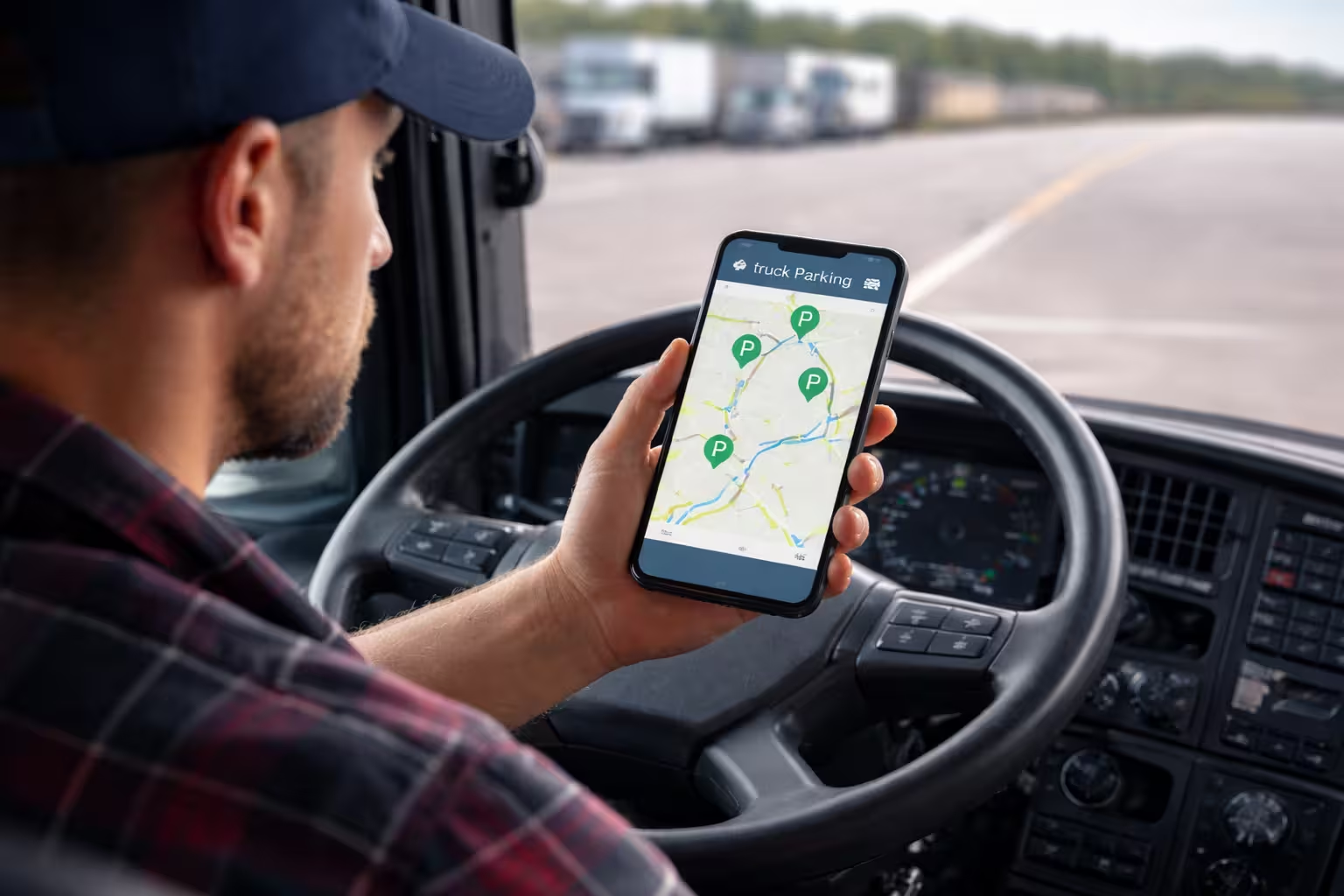
Finding the right truck parking near you requires using the right tools and methods. In today’s digital world, there are many platforms and apps designed to help truck drivers find parking spaces in real-time.
- Use Truck Parking Apps
The easiest way to find truck parking near your location is by using dedicated truck parking apps. Some of the most popular ones include- Trucker Path: A widely used app that provides real-time parking availability, reviews, and even a map with parking locations along your route.
- TruckParkingClub: This platform allows you to book parking in advance, ensuring that you secure a spot before you arrive.
- Park My Truck: An app that helps you locate available truck parking spaces across the United States. It also offers the ability to book spaces and pay for parking online.
- GPS Navigation Systems with Truck Parking Filters
Some GPS systems, like Garmin or Rand McNally, provide filtering options specifically designed for truck drivers. These filters allow you to search for parking spaces along your route, based on factors like location, type of parking, and amenities available. - Truck Stop and Rest Area Listings
Websites and platforms such as TruckStop.com and RestAreaGuide.com list truck stops, rest areas, and dedicated truck parking locations. These resources provide comprehensive information, including parking availability, amenities, and driver reviews. - Walmart and Other Large Retailers
Many truck drivers rely on large retail chains like Walmart for overnight parking. While not all Walmart locations offer truck parking, many allow overnight parking in their lots for free or at a minimal cost. You can check with the local store management before parking overnight.
Factors to Consider When Choosing Truck Parking
When selecting a truck parking space, there are several factors to keep in mind to ensure that the space is suitable for your needs:
1. Security:
Safety should always be a top priority when choosing a truck parking space. Look for well-lit, secure parking lots with surveillance cameras, gate access, and possibly even security personnel.
2. Accessibility:
Choose parking spots that are easily accessible and allow for easy maneuvering of your truck. This is particularly important in areas with tight spaces or busy highways.
3. Amenities:
Truck stops with amenities like restrooms, food, showers, Wi-Fi, and lounges can make a big difference in your overall comfort. If you’re planning to stay overnight, having access to these amenities can make your rest break more pleasant.
4. Proximity to Major Routes:
The closer the parking lot is to major highways or transportation hubs, the more convenient it will be for your next leg of the journey. Always choose parking spaces that are easy to access and exit, especially when dealing with large trucks.
5. Reviews and Ratings:
Before committing to a parking spot, check for reviews from other truck drivers. Many truck stop websites and apps provide ratings based on safety, cleanliness, and amenities. This can help you make a more informed decision.
How Much Does Truck Parking Cost?
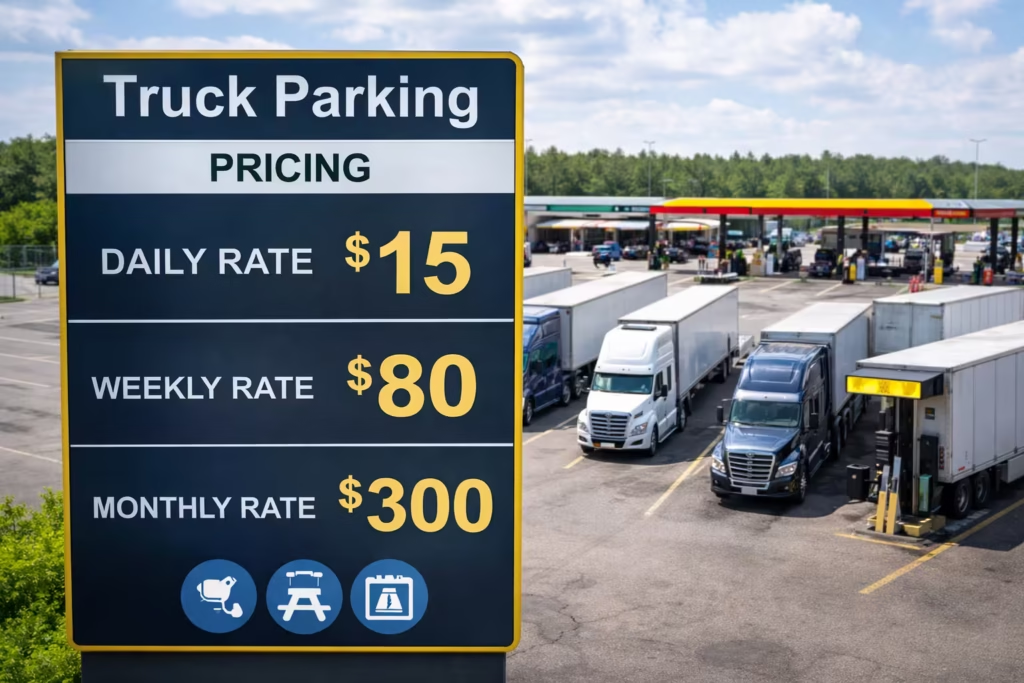
The cost of truck parking varies greatly depending on the location, type of parking, and amenities provided. Here’s an overview of typical costs:
- Free parking is available at rest areas, but the facilities may be limited, and the security may not be as robust.
- Truck stops and paid lots typically charge anywhere from $10 to $25 per day. If you need additional amenities like showers or food, these charges may go higher.
- Long-term parking can range from $100 to $400 per month, depending on the location and security features.
- Premium parking with additional services like gated access, surveillance, and proximity to major routes may cost more, especially in urban areas.
Some apps and websites also allow you to pay for parking in advance, which can be a great way to secure a spot during busy travel periods.
The Impact of Truck Parking Shortages on the Transportation Industry
The truck parking shortage has far-reaching consequences that extend beyond the inconvenience of finding a spot. As the demand for freight services continues to rise, so does the need for adequate parking. The shortage affects both independent drivers and larger fleets, causing delays, safety issues, and higher operational costs.
The lack of parking also increases the likelihood of unsafe parking practices, such as parking on highways, shoulders, or unauthorized areas. This puts drivers at risk of accidents and fines, as well as causing traffic congestion. The shortage is particularly severe in urban centers where space is limited, and truck stops are at full capacity.
By addressing the issue of truck parking through infrastructure improvements, parking innovations, and better planning, the transportation industry can reduce costs and improve safety across the board. For truck drivers, this means more available parking, better security, and safer, more efficient trips.
How Technology Is Revolutionizing Truck Parking Solutions
Technology has played a significant role in addressing the truck parking shortage, with new apps and platforms designed to help drivers locate available spots in real time. Services like TruckerPath, TruckParkingClub, and ParkMyTruck allow drivers to search for parking based on their current location and future destinations.
The introduction of predictive technology is another game-changer. By analyzing traffic patterns, weather conditions, and available spaces, these platforms can provide drivers with an estimated time of availability for parking spaces. This reduces the time drivers spend searching for parking and helps them plan their rest breaks more effectively.
Further innovations are also being explored, such as the integration of smart sensors and IoT devices in parking lots. These technologies can alert drivers to available spaces and even offer pre-booking options, helping to streamline the process and reduce congestion in heavily trafficked areas.
Understanding Truck Parking Regulations and Their Importance
Truck parking isn’t just about finding a space; it also involves understanding the legal framework surrounding parking. Regulations such as the Hours of Service (HOS) rules mandate that drivers take specific rest periods, making access to reliable parking essential for compliance. These regulations are in place to ensure that drivers have enough rest to stay alert and safe on the road.
Different states and regions have varying laws about where trucks can park, how long they can park, and what facilities they must have. For instance, some states may allow overnight parking at rest areas, while others may have restrictions. Understanding these regulations is crucial for avoiding fines and ensuring that drivers are parking in legally authorized areas.
Many truck drivers rely on private parking lots and truck stops that comply with these regulations, ensuring that they have the necessary facilities to rest, take showers, and manage their downtime legally and safely.
Top Truck Parking Destinations in the USA
While finding truck parking near me can be a challenge in some areas, there are certain destinations in the USA that offer a robust network of truck-friendly parking options. These locations are well-known for having ample parking, secure lots, and a variety of amenities that make rest breaks more comfortable.
- Iowa 80 (Walcott, IA): Known as the world’s largest truck stop, Iowa 80 has over 900 parking spaces and a wide range of amenities, including restaurants, a trucker’s lounge, and even a trucking museum.
- Pilot Flying J Network: With over 750 locations across the U.S., Pilot Flying J offers reliable truck parking at most of their stations. Many locations are equipped with clean restrooms, showers, and dining options.
- T/A Travel Centers: Travel America is another well-established network that provides truck parking at their stops, with facilities like fast food, laundry services, and free Wi-Fi.
These well-known truck parking hubs are great examples of what a fully equipped, driver-friendly parking area should look like. They make life easier for truckers by combining parking with essential services, ensuring that drivers have everything they need to rest comfortably.
Legal and Safety Considerations
When parking your truck, it’s important to be aware of legal requirements and safety practices:
- Compliance with Hours of Service (HOS): Ensure that you park in a legal spot where you can fulfill your mandatory rest periods according to HOS regulations.
- Avoiding Unauthorized Parking: Parking in unauthorized or restricted areas can result in fines, towing, and unsafe conditions. Always check signs and local regulations before parking in unfamiliar areas.
- Security Concerns: Parking in poorly lit or isolated areas can expose you to theft or other security risks. Always prioritize well-lit, secure lots.
Conclusion
In conclusion, finding truck parking near me is not just about locating a parking spot; it’s about ensuring safety, compliance, and comfort for drivers. As the transportation industry grows, so does the need for better parking solutions, and technology is playing a key role in improving accessibility and convenience.
By understanding the different types of truck parking, utilizing innovative tools like apps and GPS systems, and considering factors such as security and amenities, truck drivers can make informed decisions that enhance their productivity and well-being on the road.
Addressing the truck parking shortage and making parking easier to find are crucial steps in improving safety, reducing stress, and keeping the wheels of the freight industry turning smoothly. Whether you’re parking overnight, securing long-term storage, or simply taking a break, the right truck parking can make a world of difference.
As the transportation industry evolves, so too will the availability of truck parking spaces, making it easier for drivers to find safe, secure, and accessible locations to rest. With the information provided in this guide, you are now better equipped to navigate the world of truck parking and make decisions that prioritize both safety and convenience.