What Is Valet Parking? A Complete Guide for Drivers & Businesses in the USA
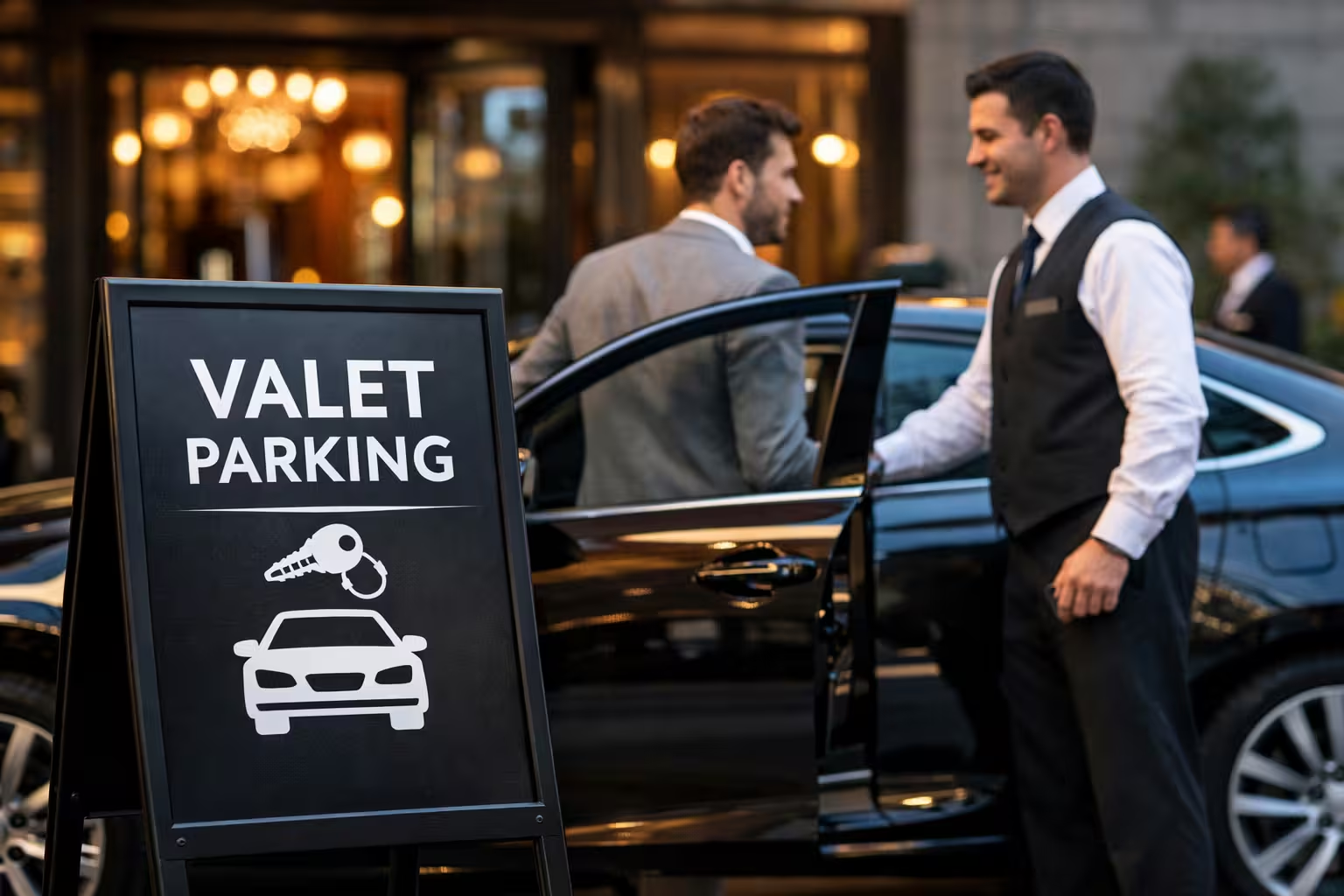
Valet parking is one of the most convenient services offered by restaurants, hotels, airports, and event venues across the United States. But beyond a simple definition, understanding valet parking—how it works, why it matters, and how to use it wisely—can save you time, money, and frustration. This guide walks you through everything you need to know about valet parking in the USA, including insider tips, etiquette, costs, and how it compares to other parking options.
What Is Valet Parking? (Simple Definition)
Valet parking is a parking service where a professional attendant parks and later retrieves your vehicle for you. In contrast to “self-parking,” where you find your own space, valet parking lets you hand off your keys at a designated area and walk straight into your destination.
The valet attendant (often hired by the establishment or a third‑party service) takes responsibility for your car while it is parked. In most U.S. locations, it’s customary to tip the valet attendant after they return your vehicle.
A Brief History of Valet Parking
Although modern valet parking emerged in the United States as cities grew and parking became scarce, the term “valet” originally comes from French, meaning personal attendant. Over time, this elevated service became associated with hospitality and convenience—first in upscale hotels and restaurants, then spreading to airports, malls, and events.
How Valet Parking Works: Step by Step
Understanding the valet process can make your experience smoother. Here’s a typical customer journey:
Advantages of Valet Parking
Valet parking offers several benefits for both customers and businesses:
1. Convenience & Time Savings: Valet service eliminates the hassle of finding a parking space and walking long distances—extremely valuable in busy city centers.
2. Enhanced Customer Experience: For businesses like hotels and restaurants, valet parking adds a luxury touch that enhances the first impression and customer satisfaction.
3. Better Use of Space: Valets can stack cars efficiently, increasing capacity by up to 40% compared to self‑parking layouts.
4. Improved Safety & Security: A professional valet team monitors parked cars more closely than a typical self‑parking lot, which can lower the risk of theft or damage.
5. Traffic Flow Management: At busy venues, valet attendants help manage traffic—reducing congestion near entrances.
Disadvantages
To provide a balanced view, it’s important to address some downsides:
1. Cost: Valet parking often costs more than self‑parking—sometimes significantly, especially at airports and in major cities. Expect fees on top of the service charge.
2. Tipping Obligations: In the U.S., tipping is customary, meaning your total cost could be higher after gratuity.
3. Vehicle Handling Risks: Your vehicle is driven by someone else. While professionals are trained, there’s always a slight risk of scratches or damage.
4. Security Wait Times: During peak times, it may take longer to retrieve your vehicle—especially if many guests request theirs at once.
Valet Parking Etiquette
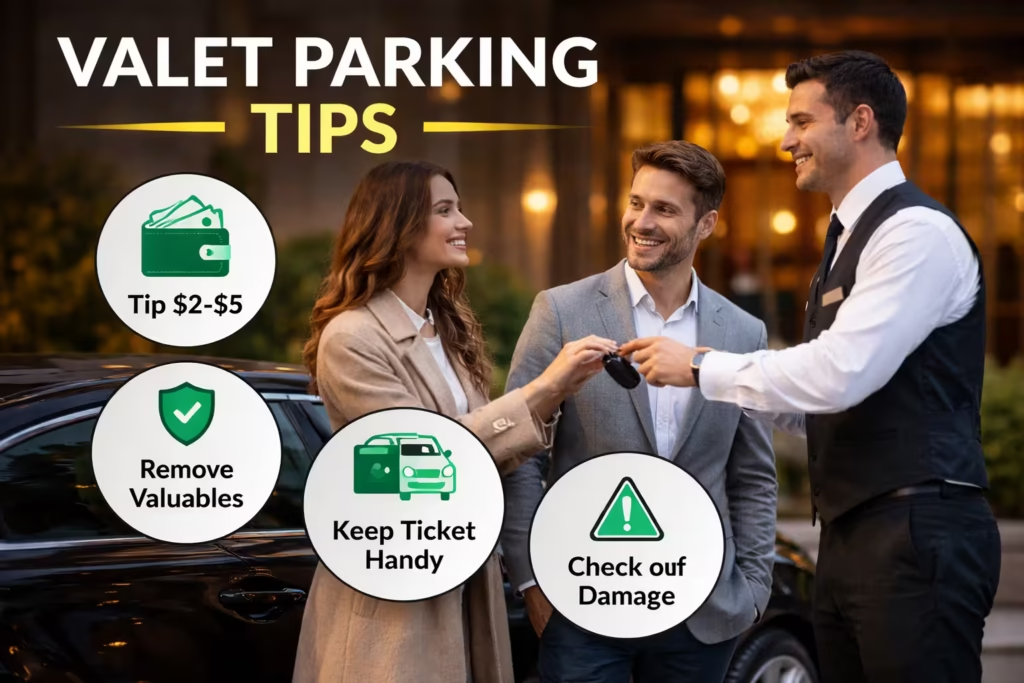
Good etiquette not only improves your experience but also respects the valet staff:
Typical Valet Parking Costs in the USA
Costs vary widely based on city and venue:
- Restaurants in major cities: $8–$25
- Hotels: Often $25–$60 per day
- Airports: $30–$60+ per day depending on location
- Events or nightclubs: Flat fee $15–$40
Keep in mind tips and peak charges can increase the final price.
Where Valet Parking Is Common in the USA
Valet service now exists in many contexts:
- Hotels & Resorts: A staple at luxury and mid‑range hotels; sets a hospitality tone.
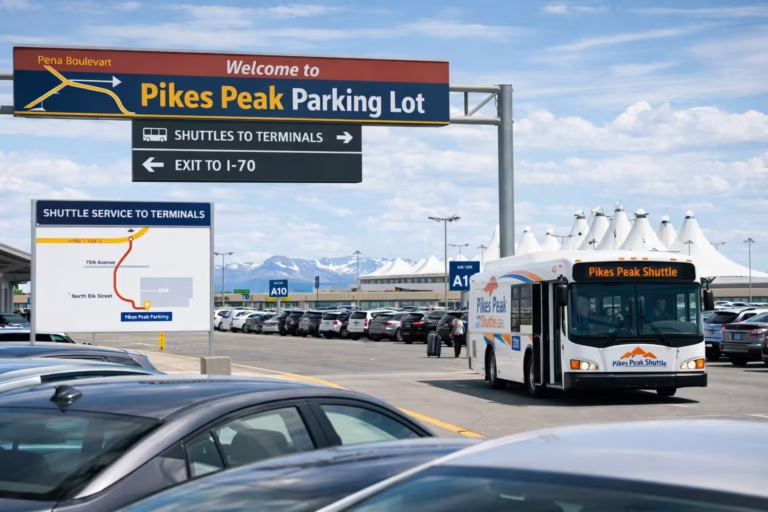
- Airport Parking: Professional valet services can include shuttles to terminals.
- Restaurants & Nightclubs: Especially in urban cores where parking spaces are scarce.
- Special Events & Weddings: Valet makes the guest experience smoother.
- Shopping Malls & Hospitals: Increasingly common in large complexes.
Technology & Innovations in Valet Parking
Although traditional valet relies on staff, modern innovations are changing the game:
Mobile Apps & Digital Tickets
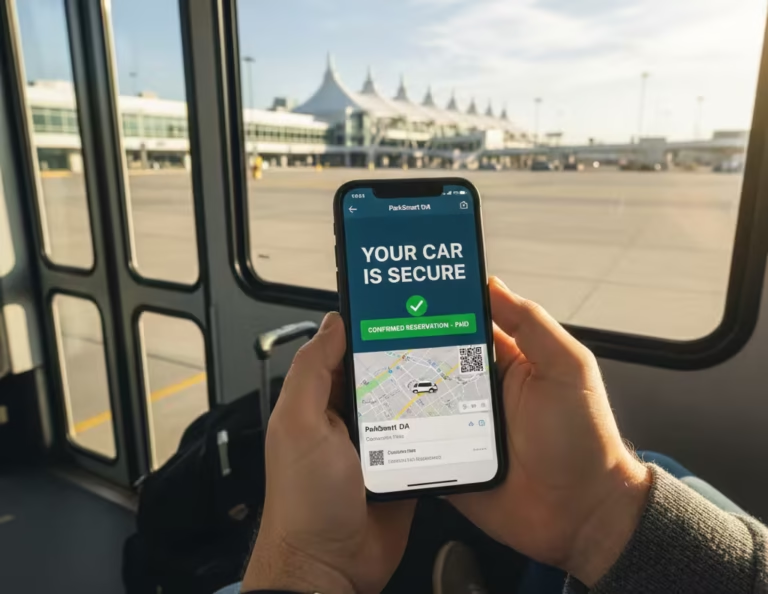
Apps allow users to request retrieval, track their car’s location, and reduce check‑in times.
Automated Valet Systems
Emerging technologies use sensors and robotics to park cars without drivers.
Valet vs. Self‑Parking & Other Options
|
Feature |
Valet Parking |
Self‑Parking |
Automated Parking |
|---|---|---|---|
|
Convenience |
⭐⭐⭐⭐ |
⭐ |
⭐⭐⭐ |
|
Cost |
Higher |
Lower |
Varies |
|
Time Savings |
Very High |
Low |
Medium |
|
Customer Service |
High |
Low |
Medium |
|
Security |
Medium–High |
Low–Medium |
High |
Valet parking is ideal when time & convenience matter, while self‑parking suits budget‑focused users.
Frequently Asked Questions (FAQs)
Conclusion
Valet parking is more than a parking shortcut; it’s a customer service experience that can save time, reduce stress, and elevate your visit to hotels, restaurants, airports, and events.