Hiking Near Denver: Best Family-Friendly Hiking Trails and Beginner Hikes

If you’re new to Colorado, the idea of “just going for a hike” near Denver can feel more complicated than it should. Which foothills are actually close? Which trails are safe for kids or a first-timer who isn’t used to thinner air? And how do you tell a gentle afternoon walk from a route that quietly turns into a 2,000-foot climb?
This matters because Denver’s biggest selling point—easy access to real mountain scenery—can also be its biggest trap for beginners. A trail that looks short on a map can still leave you gasping at 8,000 feet if you’re not used to the elevation.
This guide walks through the best hiking near Denver for beginners and families, organized by difficulty, so you can match a trail to your group instead of guessing. You’ll also find honest safety notes about altitude, since that’s the one thing about hiking here that catches almost every newcomer off guard.
Why Denver Is Such a Good Base for Hiking
Denver sits at 5,280 feet above sea level—hence the “Mile High City” nickname—right where the Great Plains meet the Rocky Mountain foothills. That location is what makes the city such a convenient hiking base: you can be on a wooded foothill trail within 20 to 40 minutes of downtown, without the long drive that hiking near many other major cities requires.
The trade-off is elevation. Many popular trailheads west of the city sit between 6,000 and 8,000 feet, and some climb well above that. That’s still low by Colorado standards, but it’s high enough that visitors from sea level often notice the thinner air on a climb that wouldn’t bother them back home. We’ll cover how to handle that later in this guide.
Easy and Family Hiking Trails Near Denver
If you’re hiking with young kids or older relatives, or you’re simply new to the altitude, start here. These trails are flat or gently graded, well-marked, and forgiving if you need to turn around early.
In the city, no driving required:
- Wash Park Loop (Denver): An easy, paved 2.3-mile loop around two small lakes in Washington Park. You can also just walk around one lake for a shorter outing—it’s a flexible option for a quick evening walk.
- South Platte River Trail / Confluence Park (Denver): A paved, stroller-friendly path along the river near downtown. It’s a nice pick if you want fresh air without leaving the city.
In the foothills, roughly 20–45 minutes from downtown:
- Crown Hill Park (Wheat Ridge): About 15 minutes from Denver. The paved Lake Loop Trail is a flat, roughly 1.2-mile loop around Crown Hill Lake, and it’s accessible for strollers and wheelchairs too.
- Dinosaur Ridge (Morrison): A short, easy interpretive trail where you can see real dinosaur tracks and fossil-bearing rock up close. It’s a favorite first hike for families because the payoff (actual dinosaur bones) keeps kids engaged.
- Waterton Canyon (Chatfield State Park area): A wide, flat gravel road that follows the South Platte River. You can walk as little or as much as you want and turn back anytime, and it’s one of the more reliable spots to see bighorn sheep.
- Lair o’ the Bear Park (Idledale): A shaded, creekside trail that’s easy enough for a first mountain hike, with plenty of spots to stop for a picnic along the water.
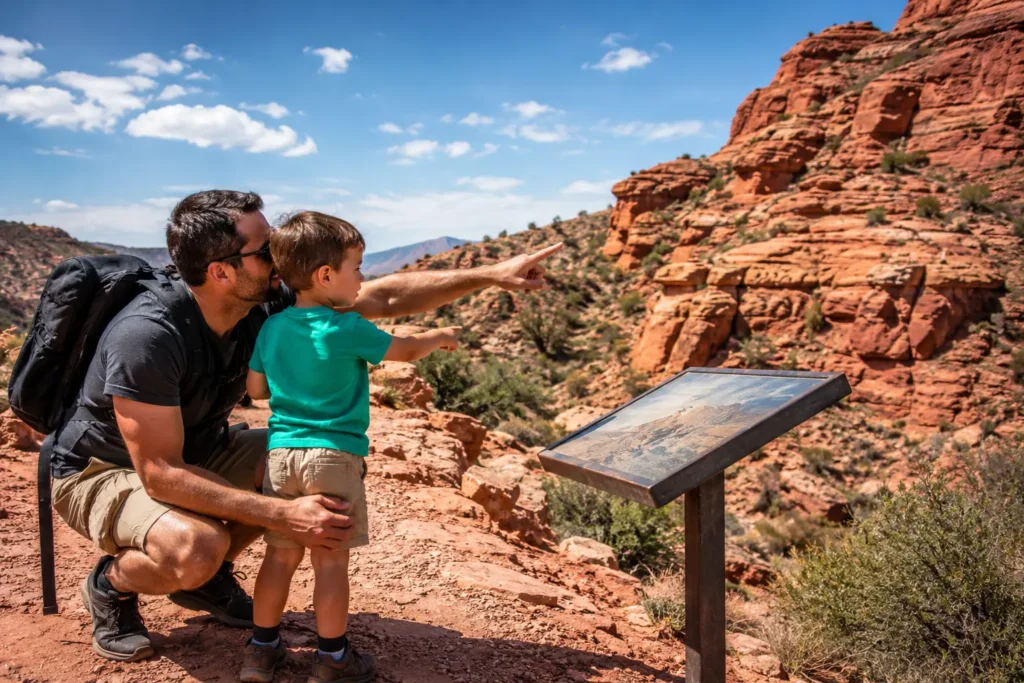
- Roxborough State Park (Douglas County): A mostly flat loop trail winding past dramatic red rock formations—striking scenery without much elevation gain.
- Alderfer/Three Sisters Park (Evergreen): A large network of trails, so you can piece together an easy loop or a longer one depending on how your group is doing that day.
You may also like:
- 17 Best Swimming Lakes in Colorado With Beaches for Summer Fun
- Top Attractions and Things to Do Near Denver International Airport
Comparison of Family-Friendly Trails
|
Trail |
Distance from Denver |
Difficulty |
Best For |
|---|---|---|---|
|
Wash Park Loop |
In the city |
Easy |
Strollers, quick evening walks |
|
South Platte River Trail |
In the city |
Easy |
Strollers: no driving needed |
|
Crown Hill Park (Lake Loop) |
~15 min |
Easy |
Wheelchairs, strollers, young kids |
|
Dinosaur Ridge |
~25–30 min |
Easy |
Kids who love dinosaurs and fossils |
|
Waterton Canyon |
~35–40 min |
Easy |
Flexible distance, wildlife viewing |
|
Lair o’ the Bear Park |
~35–40 min |
Easy |
Shady creekside picnics |
|
Roxborough State Park |
~40 min |
Easy |
Dramatic scenery, gentle terrain |
|
Alderfer/Three Sisters Park |
~45 min |
Easy–moderate |
Longer outings, trail variety |
Moderate Hikes Near Denver for When You’re Ready for More
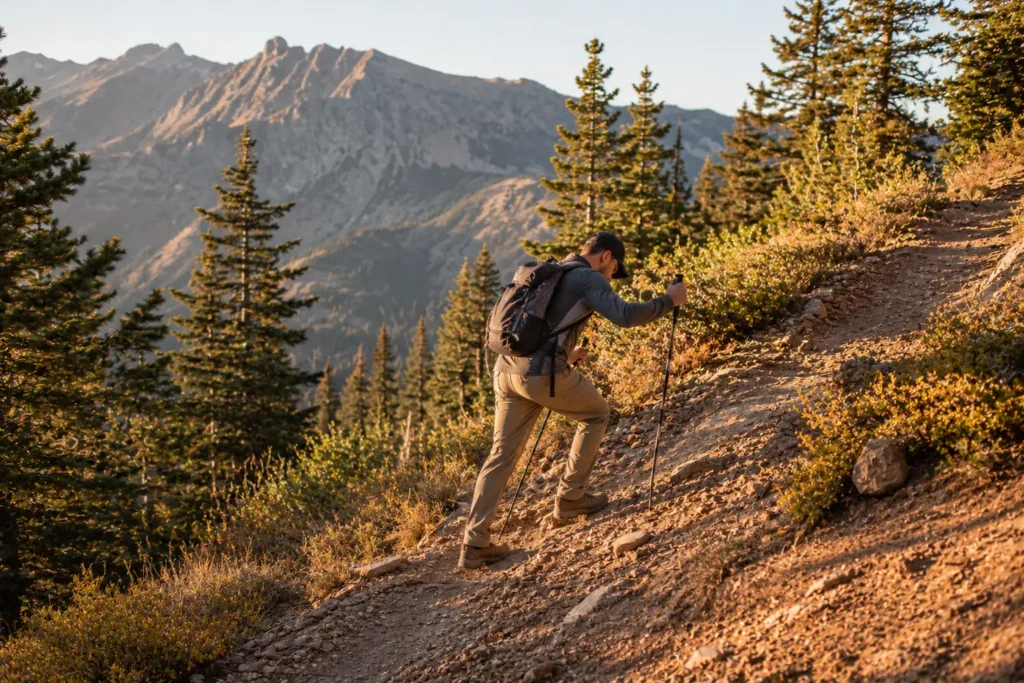
Once your group has a few easy hikes under its belt, these trails offer more of a workout and bigger views, while still being manageable in a morning or afternoon.
- Green Mountain Trail / Hayden Loop (Lakewood): A loop through Jefferson County Open Space with sweeping views of downtown Denver, Red Rocks, and the Front Range from the summit area. Expect some sustained climbing, but nothing technical.
- Mount Falcon Park (Morrison/Indian Hills): A network of trails leading past the ruins of a historic stone house, with mountain and plains views along the way.
- Dakota Ridge Trail (near Red Rocks): A moderate ridgeline hike close to Red Rocks Park, known for exposed rock, wide views, and visible dinosaur tracks in a few spots.
- Marshall Mesa (near Boulder): A rolling, roughly 3-mile loop with a modest elevation gain and open views of the Flatirons and Front Range—popular with families and dog owners.
- Chautauqua Park and the Flatirons (Boulder): About 35–45 minutes from Denver, this is one of the most iconic hiking areas in the region, with trail options ranging from an easy meadow walk to a genuinely strenuous climb toward the rock formations themselves. Check the specific route length before you go, since “Chautauqua” covers many different trails of very different difficulty.
How to Choose the Right Trail for Your Family
With so many options, it helps to ask a few questions before picking a trail:
- How much driving is reasonable? A cranky car ride can undo the benefit of an easy hike. If you have young kids, staying within 30–40 minutes of Denver often works better than chasing the “best” trail two hours away.
- What’s the real difficulty? “Easy” and “moderate” labels vary between websites and apps. When in doubt, look at the elevation gain and total distance together, not just one or the other.
- Is there shade and water nearby? Front Range trails are often exposed to full sun. Creekside trails like Lair o’ the Bear or Clear Creek in Golden offer natural relief on hot days.
- Can you shorten it if needed? Trails with multiple loop options or an out-and-back layout (where you simply turn around whenever you’re ready) give you an easy exit if kids get tired or the altitude hits harder than expected.
Hiking Safely at Denver’s Elevation
This is the part of planning a Colorado hike that’s easy to overlook, especially if you’re visiting from a lower elevation. Denver itself, at 5,280 feet, isn’t usually high enough to cause problems. But many foothill trailheads sit at 6,500 to 8,000+ feet, and altitude illness becomes more common above roughly 8,000 feet, according to CDC travel health guidance.
Acute mountain sickness (AMS)—the most common form of altitude illness—can cause headache, fatigue, nausea, dizziness, or loss of appetite. It usually shows up within a few hours of reaching a higher elevation. If anyone in your group starts feeling unwell on a hike, the right move is to rest, hydrate, and head back down rather than push through to the top.
A few practical habits make a real difference:
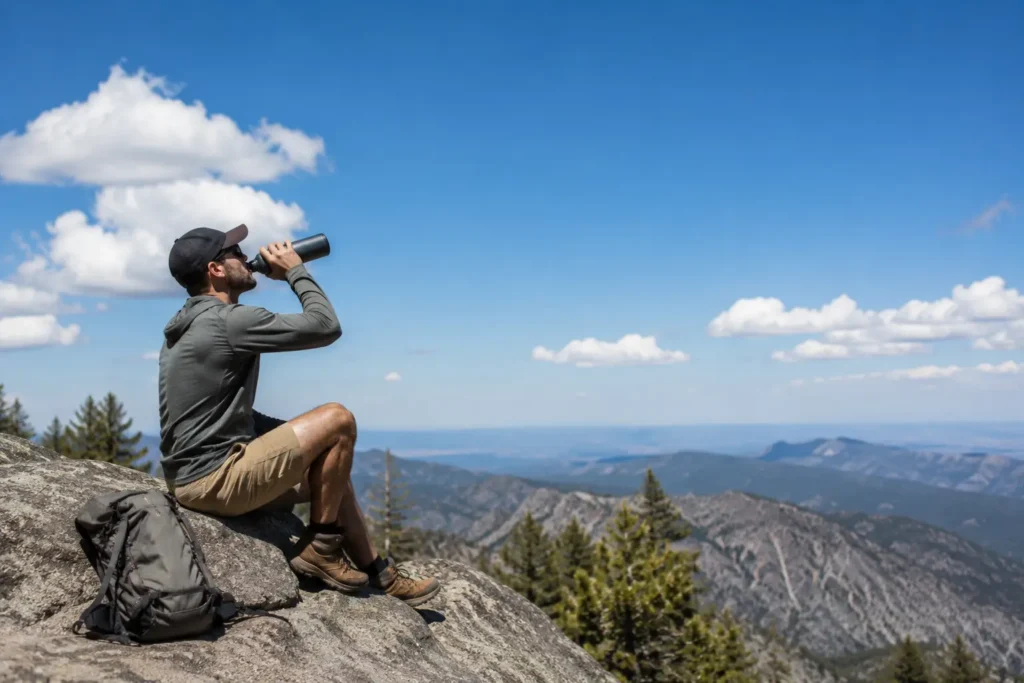
- Hydrate more than you think you need to. Colorado’s dry air pulls moisture from your body faster than most people expect.
- Ease into elevation. If you’re visiting from near sea level, consider doing an easy, lower trail on your first day or two before attempting anything strenuous.
- Watch for symptoms in kids. Young children may not be able to describe how they’re feeling—fussiness, unusual tiredness, or refusing to eat can be early signs worth taking seriously.
- Protect against sun and sudden weather. UV exposure is stronger at altitude, and Colorado’s mountain weather can shift quickly, especially in summer afternoons when thunderstorms are common.
What to Bring on a Front Range Hike
You don’t need specialized gear for most of the trails on this list, but a few basics go a long way:
- Water—more than you’d carry for a similar hike at lower elevation
- Sunscreen and a hat, even on cooler or cloudy days
- Layers, since temperatures can swing significantly between a sunny trailhead and a shaded or windy summit
- A basic first-aid kit for scrapes and blisters
- Snacks, especially for kids who may tire faster in thinner air
- A trail map or downloaded map, since cell service is unreliable in many foothill areas
Frequently Asked Questions
What is the easiest hike near Denver for families with young kids?
The Wash Park Loop and South Platte River Trail are both flat, paved, and located right in Denver, so there’s no drive involved. Crown Hill Park’s Lake Loop Trail, about 15 minutes away, is another flat, paved option that works well with strollers.
How far do I have to drive from Denver to reach real mountain trails?
Many foothill trailheads near Golden, Morrison, and Idledale sit within 30 to 45 minutes of downtown Denver, so you can reach genuine mountain scenery without an all-day drive.
Do I need a permit to hike near Denver?
Most Jefferson County Open Space and Denver Mountain Parks trails are free and don’t require a permit. Some Colorado State Parks, like Roxborough or Chatfield, charge a daily vehicle entry fee or require an annual parks pass, so it’s worth checking the specific park’s website before you go.
Is altitude a real concern for hiking near Denver itself?
Denver’s own elevation of 5,280 feet usually isn’t high enough to cause problems for most people. The bigger consideration is trailheads in the foothills that climb toward 7,000–8,000 feet or higher, where altitude-related symptoms become more common.
What’s the best time of year for hiking near Denver?
Front Range foothill trails are hikeable nearly year-round. Spring brings wildflowers along with mud and runoff; summer is popular but can get hot by midday; fall offers cool, mild days; and winter trails may require traction devices for ice and packed snow.
Final Thoughts
Hiking near Denver doesn’t have to mean choosing between a boring city park loop and a demanding mountain climb—there’s a wide range in between, and most of it sits within an easy drive of downtown. Start with an easy, family hiking trail close to the city, pay attention to how your group handles the elevation, and work your way up to the moderate foothill hikes as everyone gets more comfortable.
The best next step is simple: pick one trail from this list that matches where your family is right now, check current trail conditions before you leave, and give yourself permission to turn around early if the altitude or the kids need it. There will always be another trail to try next weekend.