What Is the Biggest Airport in the US? A Comparison of Land Area vs. Passenger Traffic
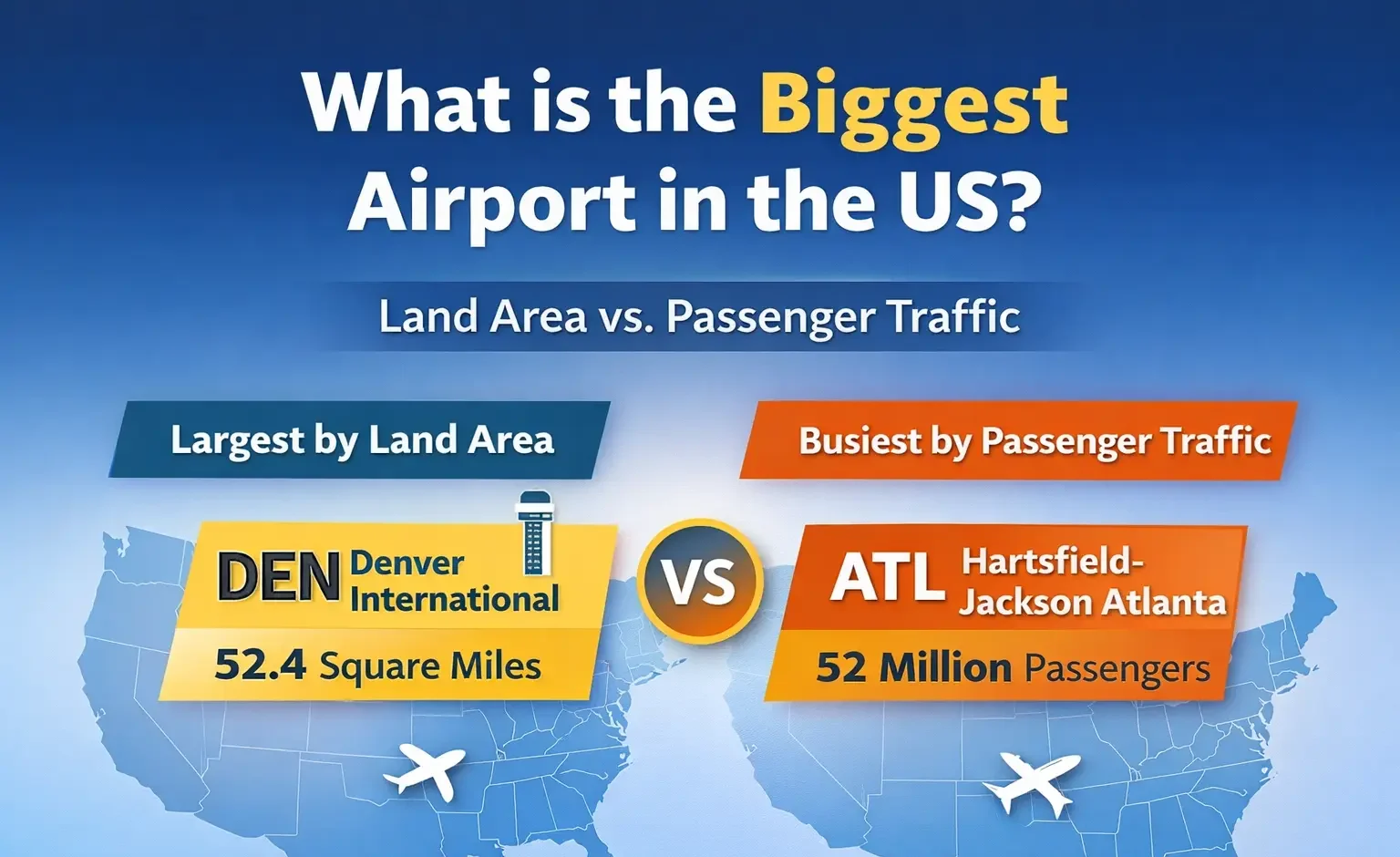
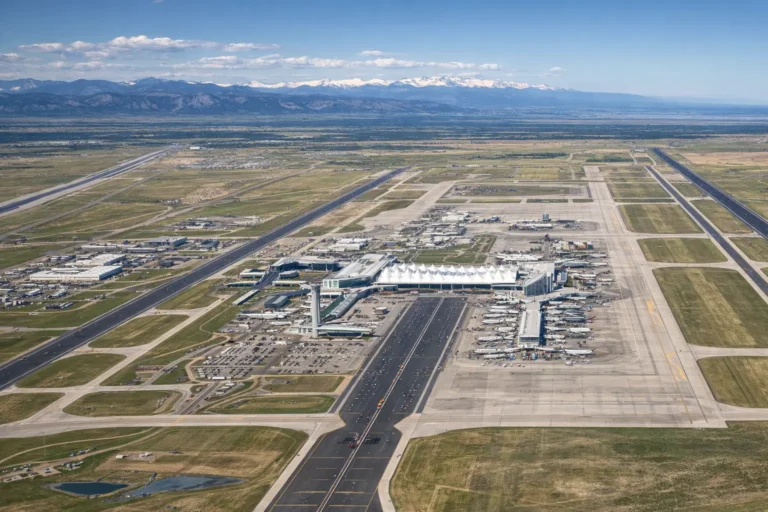
The biggest airport in the US by land area is Denver International Airport (DEN), covering 52.4 square miles. However, the busiest airport by passenger traffic is Hartsfield-Jackson Atlanta International Airport (ATL), which handles over 52 million passengers annually, making it a key hub for both domestic and international flights.
Summary
What Does “Biggest Airport in the US” Really Mean?
Before we jump into answering the question of which airport is the biggest, it’s essential to establish what “biggest” actually refers to. There are two main metrics that define the size of an airport:
Biggest by Land Area
This refers to the total physical space the airport occupies, including runways, terminals, taxiways, cargo areas, and surrounding property. This measurement is often used to determine future expansion capabilities and operational capacity.
Biggest by Passenger Traffic
This metric focuses on how many passengers travel through the airport each year. It reflects the airport’s operational efficiency and its importance as a hub for both domestic and international flights.
So, when people ask, “What is the biggest airport in the US?” it’s important to clarify whether they mean the largest in physical size or in terms of passenger numbers.
To learn more about the massive size of Denver International Airport and its land area, check out our article on How Big is Denver Airport?
The Official Answer (2026)
Biggest Airport in the US by Land Area
The largest airport in the US by land area is
Denver International Airport (DEN)
Land Area: 52.4 square miles (33,531 acres)
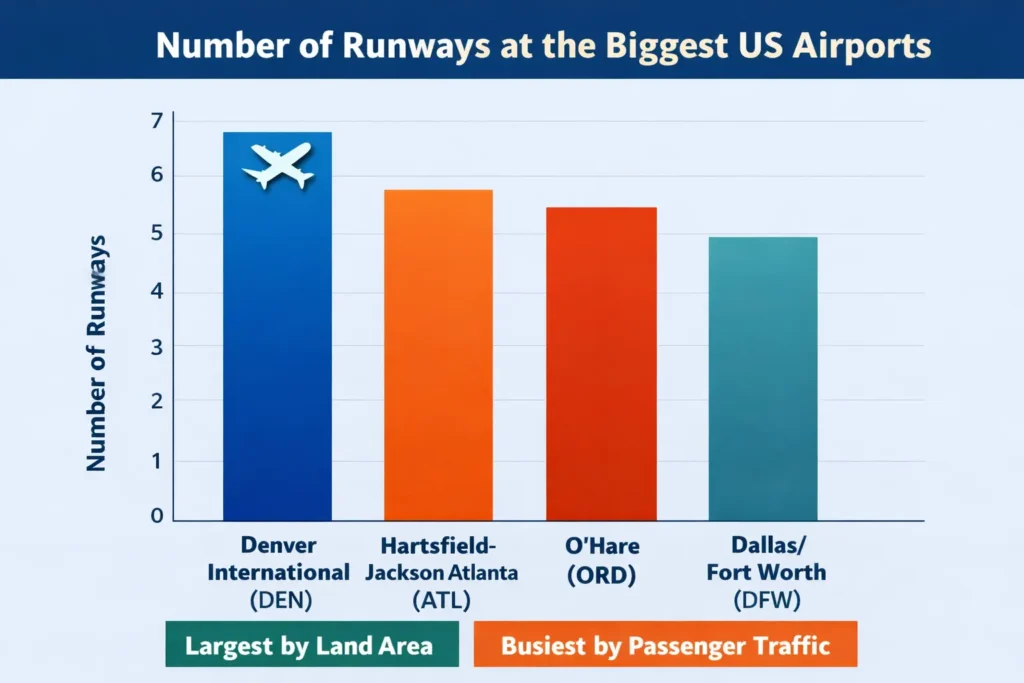
Denver International Airport (DEN) is not only the largest airport in the United States but also one of the largest in the world. Its massive size allows for future expansion, and it currently houses six runways, making it a major hub for international and domestic flights.
Planning a trip to Denver International? Make sure to view our detailed DIA parking map
for easy navigation through the airport.
Biggest Airport in the US by Passenger Traffic
The busiest airport in the US by passenger traffic is
Hartsfield‑Jackson Atlanta International Airport (ATL)
Passenger Traffic: Over 52 million passengers annually
Hartsfield‑Jackson (ATL) consistently holds the title of the busiest airport in the world for passenger traffic. Located in Atlanta, Georgia, it serves as a major hub for Delta Airlines and offers direct flights to cities across the globe. With its two parallel runways, ATL accommodates a large number of flights each day.
Top 10 Biggest Airports in the United States
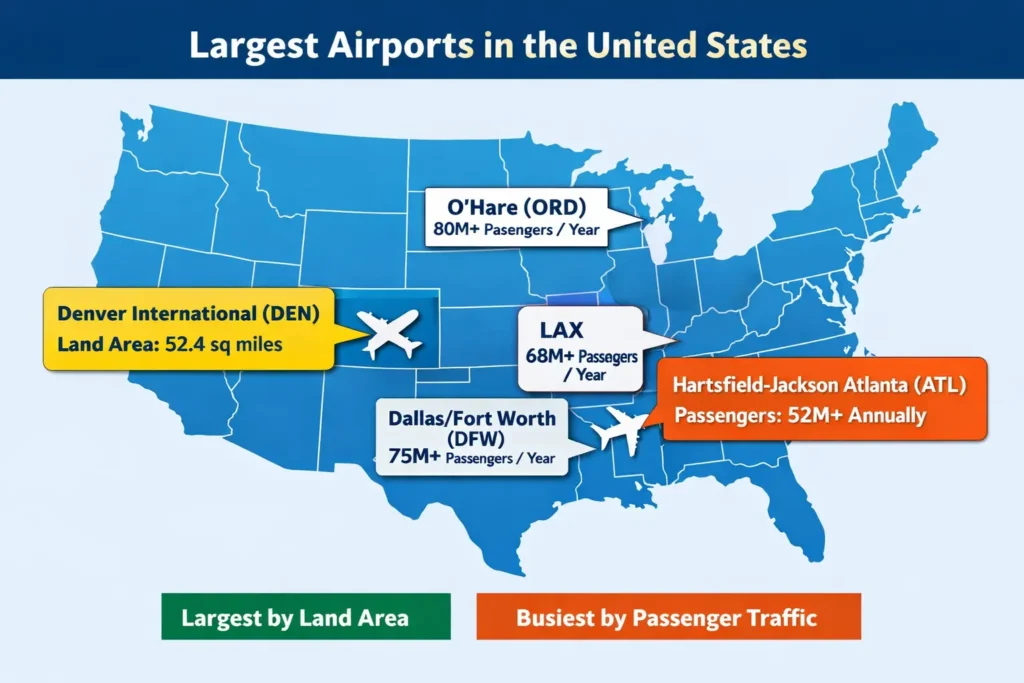
Now that we’ve clarified the two main metrics, let’s dive deeper into the Top 10 Biggest Airports in the US, considering both land area and passenger traffic:
|
Rank |
Airport Name |
Location |
Land Area (sq mi) |
Annual Passengers |
|
1 |
Denver International (DEN) |
Colorado |
52.4 |
~70M |
|
2 |
Dallas/Fort Worth Int’l (DFW) |
Texas |
26.9 |
~75M |
|
3 |
Orlando International (MCO) |
Florida |
20.7 |
~50M |
|
4 |
Washington Dulles Int’l (IAD) |
Virginia |
20.3 |
~24M |
|
5 |
George Bush Int’l (IAH) |
Texas |
15.8 |
~45M |
|
6 |
O’Hare Int’l (ORD) |
Illinois |
11.9 |
~80M |
|
7 |
Miami Int’l (MIA) |
Florida |
9.7 |
~45M |
|
8 |
Los Angeles Int’l (LAX) |
California |
9.7 |
~68M |
|
9 |
John F. Kennedy Int’l (JFK) |
New York |
5.2 |
~62M |
|
10 |
San Francisco Int’l (SFO) |
California |
3.5 |
~50M |
Note: The land area figures can vary slightly by source, but Denver International (DEN) consistently holds the top spot in terms of size, while O’Hare (ORD), Atlanta (ATL), and Los Angeles (LAX) dominate the list by passenger traffic.
Why Airport Size Matters (to Travelers & Businesses)
Understanding airport size is not just about looking at stats; it’s about the impact it has on various users of the airport. Here’s a breakdown of why bigger airports matter:
For Travelers
- More Options: Larger airports tend to offer more flight options, better connectivity to international destinations, and more direct flights.
- Amenities: Big airports typically offer a wider range of amenities, including luxury lounges, shopping malls, restaurants, and even hotels within the airport premises.
- Increased Complexity: However, with size comes complexity. Larger airports can lead to longer walking distances, more crowded terminals, and more potential for missed flights due to delays in security checks or boarding.
For Cargo
- Handling Volumes: Airports with larger land areas are also typically important cargo hubs. They have designated terminals for freight, faster transit times, and specialized storage for high-value items.
- Runway Capacity: Airports like Memphis International (MEM), which is technically smaller by passenger count but much bigger for cargo operations, are vital for logistics companies like FedEx.
For Airlines
- Hub Efficiency: Airlines base their major hubs at large airports because of the heavy flight traffic and connectivity. For example, Delta Airlines uses Hartsfield-Jackson Atlanta (ATL), while American Airlines dominates Dallas/Fort Worth (DFW).
Breakdowns by Category
Biggest Airports by Land Area
- Denver International (DEN) remains the largest in terms of physical space, with almost double the land area of Dallas/Fort Worth International (DFW).
- Airports like Washington Dulles (IAD), George Bush Intercontinental (IAH), and Orlando (MCO) also boast vast land areas that contribute to their ability to handle large aircraft and future expansion.
- For a smooth experience at Denver Airport, don’t forget to review the DIA parking options to find the best spot for your needs.
Busiest Airports by Passengers
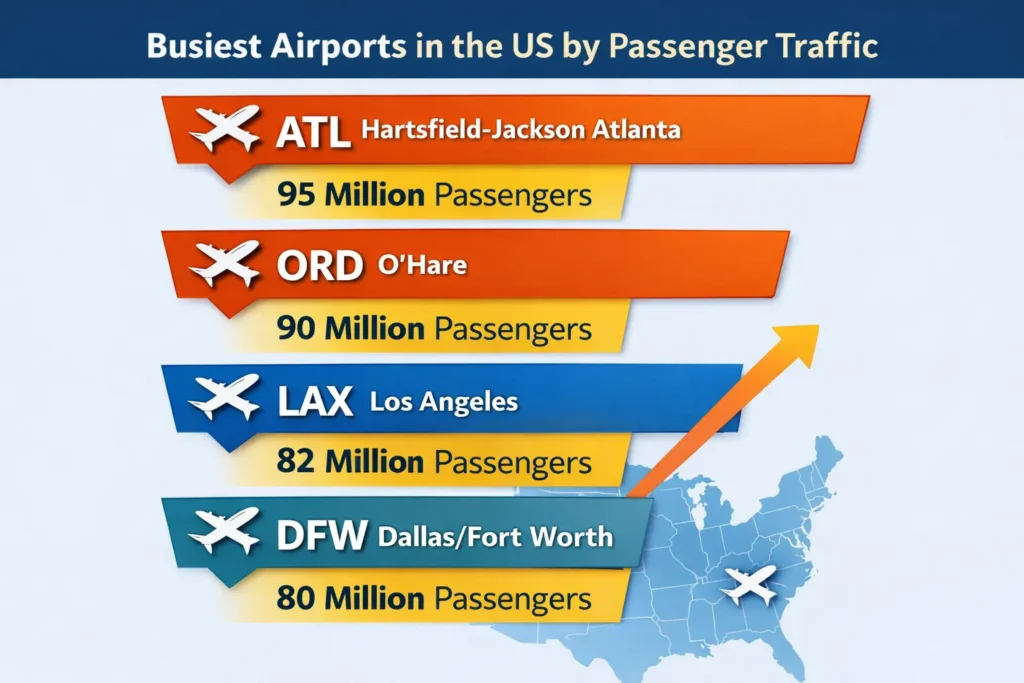
- Atlanta (ATL) continues to lead the world in passenger traffic. However, Chicago O’Hare (ORD) and Los Angeles International (LAX) are constantly competing for second and third positions.
- Dallas/Fort Worth (DFW) serves as a major hub, and its position near the center of the U.S. allows it to handle a large volume of both domestic and international passengers.
Airports with the Most International Flights
- John F. Kennedy International Airport (JFK) in New York handles a substantial number of international flights. Los Angeles (LAX) and Miami International (MIA) are also key international travel hubs for flights to and from South America, Europe, and Asia.
Biggest Cargo Airports
- Memphis International (MEM), though not in the top 10 for passenger traffic, is the busiest airport in the world in terms of cargo operations due to FedEx’s hub there.
- Louisville Muhammad Ali International (SDF) is another major cargo hub for UPS.
Detailed Profiles: America’s Aviation Giants
Denver International Airport (DEN)
- Denver is known for its massive land area, covering more than 52 square miles. The airport is located 25 miles outside the city center, offering more room for growth.
- DEN is also known for its iconic blue horse statue, “Blucifer,” and its unique tented roof design.
Hartsfield-Jackson Atlanta (ATL)
- ATL is located in the heart of the Southeast and serves as a major hub for Delta Airlines, which means it consistently handles the most passenger traffic globally.
- The airport has five runways, which allows it to accommodate a large number of flights at once.
Dallas/Fort Worth International (DFW)
- DFW covers 26.9 square miles and serves as the largest airport in Texas.
- It is home to a major hub for American Airlines and features 7 terminals.
- DFW recently underwent massive renovation and expansion to accommodate more flights and passengers.
Travel Tips
- When flying from Denver International, plan your time wisely as the airport is vast. Expect long walking distances between terminals.
- Atlanta is great for layovers, but don’t expect it to be a quick stop—this is the world’s busiest airport, and you’ll need time to get through security and customs.
- For JFK, be prepared for longer wait times in customs, especially if you’re arriving internationally.
Why Airport Size Doesn’t Always Equal Best Experience
While large airports can provide more flights and services, they also come with longer wait times, larger crowds, and more navigation challenges. Smaller, well-organized airports can sometimes offer a quicker, more efficient experience, especially for domestic travelers.
Final Thoughts
When it comes to the biggest airports in the US, the definition of “biggest” can vary depending on whether you’re considering land area or passenger traffic. While Denver International Airport takes the crown for its vast size, Hartsfield-Jackson Atlanta International leads in terms of passenger volume. Both airports play pivotal roles in the nation’s aviation network, offering immense capacity for growth, travel, and cargo operations. Understanding the differences between these key metrics can help travelers, businesses, and aviation enthusiasts appreciate what makes these airports truly stand out in the industry.