The US Airports With Most Runways: O’Hare’s Leadership in Air Traffic Management
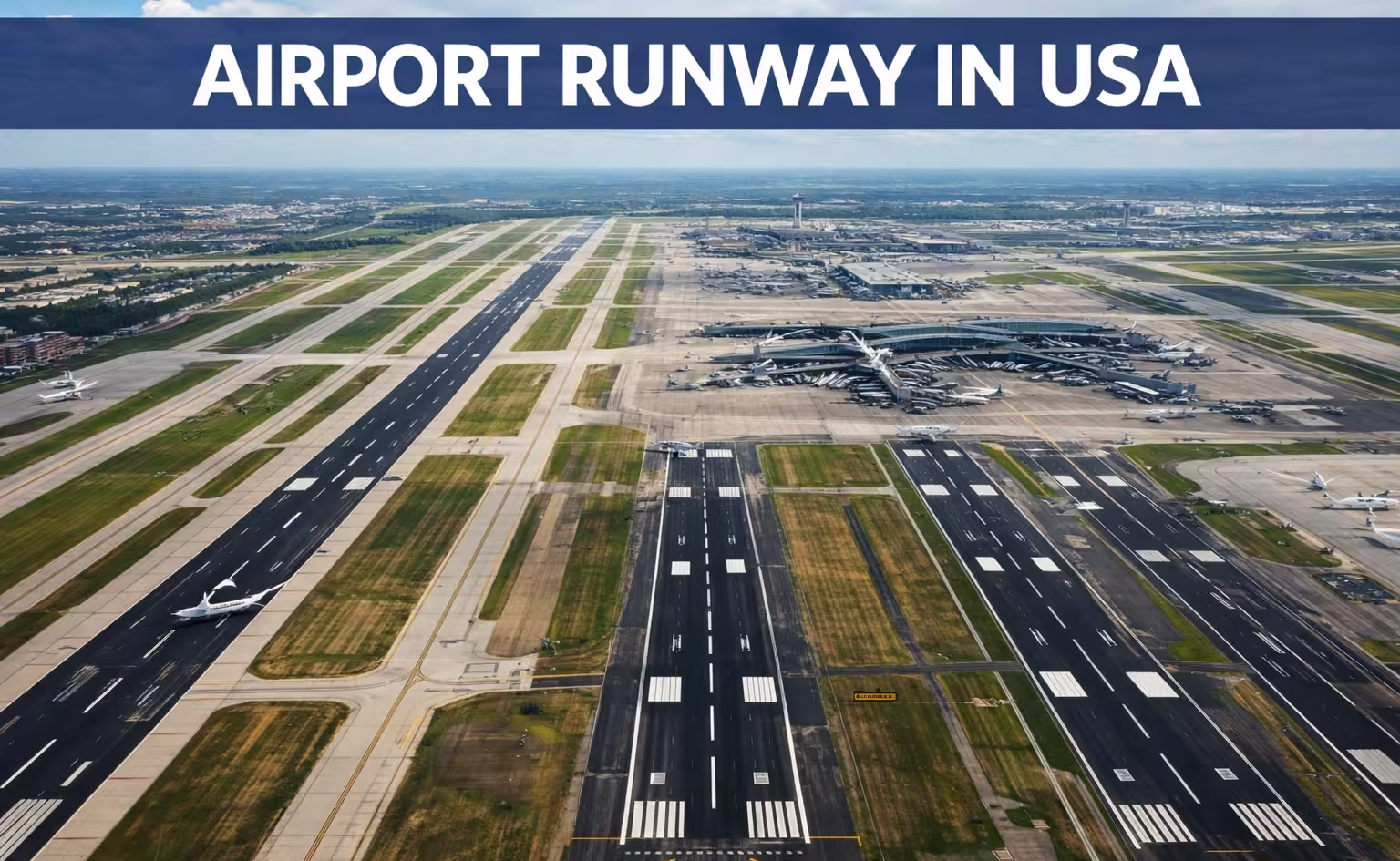
The US airport with most runways is Chicago O’Hare International Airport (ORD), which leads the world with eight runways. This extensive runway network allows O’Hare to efficiently manage high traffic volumes, reduce delays, and maintain operational flexibility. In this article, we’ll explore how O’Hare’s runways contribute to its position as a global leader in airport infrastructure and how other major US airports compare in runway capacity.
Airports are more than just terminals — they are sprawling transport hubs where infrastructure determines how fast planes take off, land, and connect the world. One key part of that infrastructure? Runways. While many airports operate with two or three runways, a handful go far beyond that, supporting massive traffic flows and complex operations. In this guide, we’ll break down which US airports has the most runways, why runway count matters, and how this landscape looks domestically and globally.
What Defines a Runway and Why It Matters
At its core, a runway is a designated surface for aircraft takeoffs and landings — a critical component for airport efficiency. Airports with more runways can:
- Handle higher flight volumes
- Reduce delay times
- Enable simultaneous takeoffs and landings
- Support varied aircraft sizes and wind conditions
This makes runway count a major factor for airline scheduling, hub operations, and airport growth planning.
Airport With Most Runways
The World’s Leader: Chicago O’Hare International Airport (ORD)
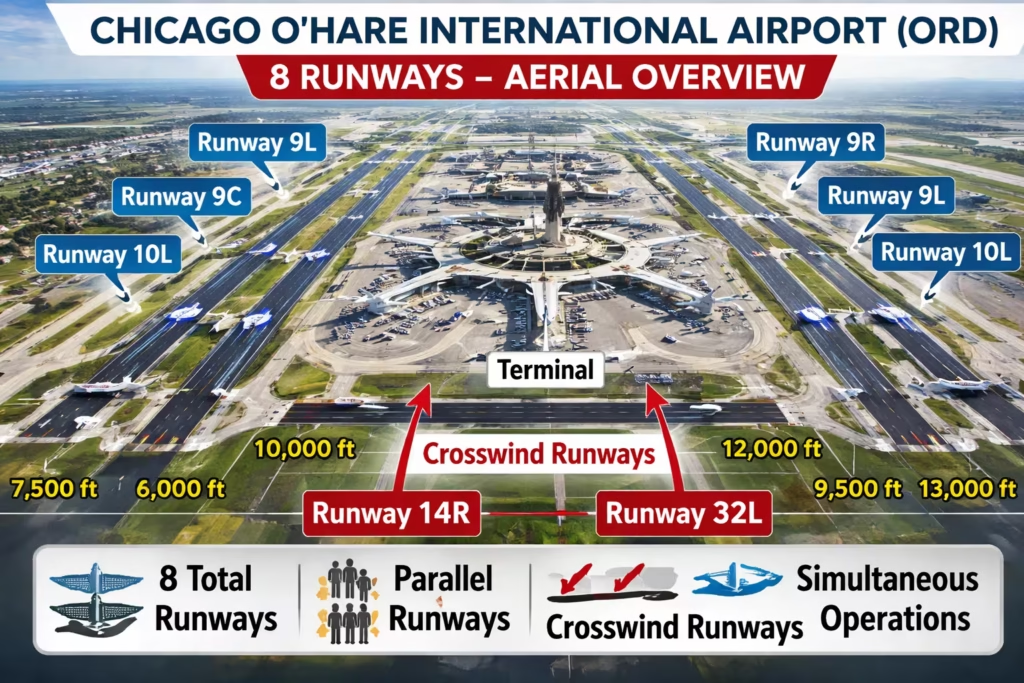
Chicago O’Hare International Airport currently holds the title of the airport with the most runways in the USA and world, with a total of 8 operational runways spread across multiple configurations.
Why this matters:
- These runways support simultaneous arrival/departure patterns, reducing congestion.
- They help O’Hare manage heavy connecting traffic and hub operations.
- The configuration enables optimized operations regardless of changing winds and weather conditions.
The biggest airport in the US, Chicago O’Hare, offers a wide range of services, including expansive parking areas for both short-term and long-term stays.
Breakdown of O’Hare’s Runway Layout
ORD’s design puts two sets of parallel runways on either side of terminals, plus crosswind options — a layout that’s rare outside major global hubs.
Note how this structure allows multiple landing and departure permutations, increasing capacity without compromising safety.
Top US Airports With Most Runways
The US airport with most runways is Chicago O’Hare International Airport (ORD), which boasts an impressive total of 8 operational runways. This makes O’Hare not only the busiest airport in the United States but also the leader globally in terms of runway count. With such a high number of runways, the US airports with most runways is able to handle millions of passengers and thousands of flights each day, ensuring a steady flow of air traffic even during peak hours. The strategic layout of O’Hare’s runways allows for simultaneous arrivals and departures, significantly reducing delays and enhancing the airport’s operational capacity.
As the US airport with most runways, O’Hare’s design focuses on efficiency and adaptability. Its extensive runway system supports a wide range of aircraft sizes and flight patterns, making it a critical hub for both domestic and international travel. The airport’s ability to manage multiple flight paths and adjust operations based on weather conditions is a direct result of its multiple runways, ensuring that O’Hare remains at the forefront of airport infrastructure in the United States. This capacity to handle high volumes of air traffic makes Chicago O’Hare the US airport with most runways, setting it apart from other major US airports.
Across the USA, runways remain a hallmark of major international hubs. Below is a snapshot of the top airports:
|
Airport Name |
No. of Runways |
|---|---|
|
Chicago O’Hare International Airport |
8 runways (world’s highest) |
|
Dallas/Fort Worth International Airport (DFW) |
7 runways |
|
Denver International Airport (DEN) |
6 runways |
|
Boston Logan International Airport (BOS) |
6 runways |
|
Detroit Metropolitan Airport (DTW) |
6 runways |
|
George Bush Intercontinental Airport (IAH) |
5 runways |
|
Hartsfield–Jackson Atlanta International Airport (ATL) |
5 runways |
Why These Airports Have So Many Runways
Large hubs with heavy passenger and cargo traffic need the flexibility that multiple runways provide:
- Peak‑time demand requires multiple departure streams.
- Hub transfer traffic increases simultaneous arrivals.
- Weather changes (wind, snow) force runway rotation.
Without adequate runways, even large airports suffer delays and congestion.
How Runway Number Impacts Airport Operations
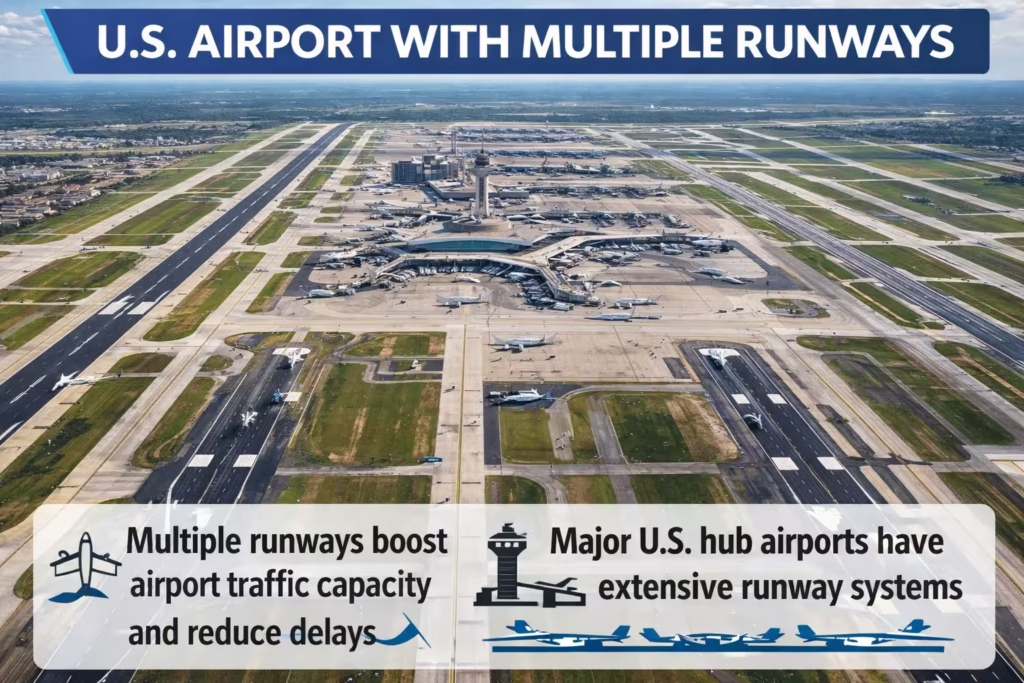
Increased Capacity and Flexibility
More runways enable:
- Higher traffic throughput
- Better separation of arrival and departure flows
- Reduced ground congestion
This improves efficiency and airline scheduling reliability.
Weather and Safety Considerations
Multiple runways mean that an airport can choose optimal directions based on wind direction, reducing runway closures during bad weather.
Taxi Time and Ground Congestion
Despite more runways aiding sky traffic, they can increase taxi distances on the ground if poorly configured. Skilled coordination and optimized layouts are essential to balance these tradeoffs.
Beyond Runway Count
Runway length matters as much as count:
- Longer runways allow heavy, long‑haul aircraft to operate.
- Parallel runways allow triple simultaneous operations in large hubs.
- Crosswind runways facilitate operations during adverse winds.
For example, Denver International’s runways often exceed 12,000 feet to accommodate aircraft at high altitudes, where takeoff distances increase.
Global Context: US Airports vs World Airports
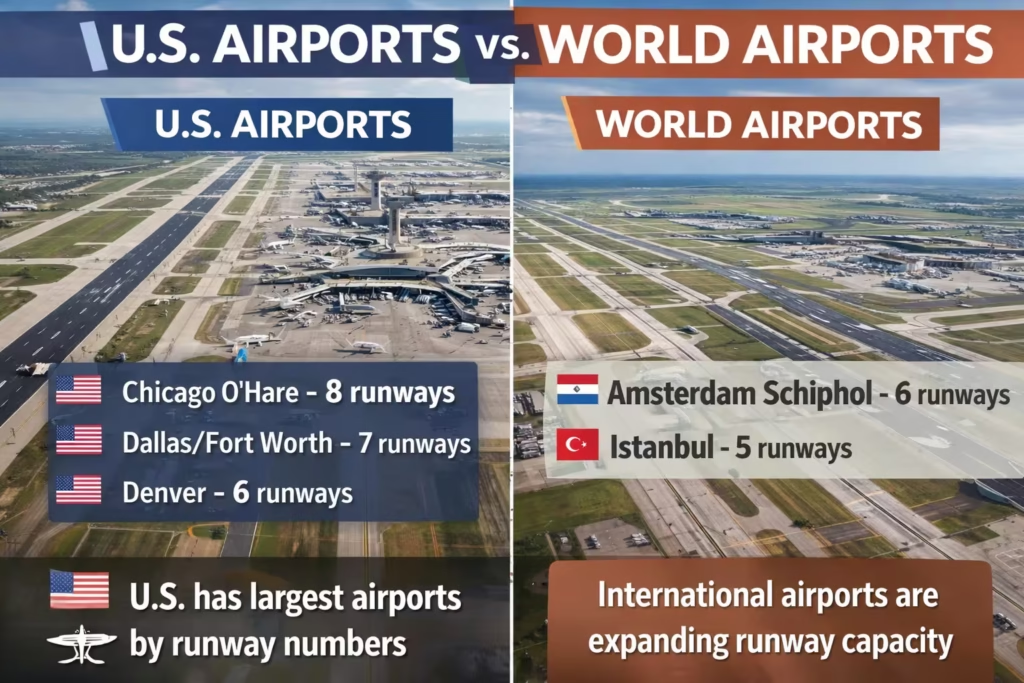
While the USA dominates runway infrastructure due to available land and historical growth, other world airports also invest heavily in runway systems. For instance:
- Amsterdam Schiphol – 6 runways
- Istanbul Airport – 5 runways
Internationally, US airports still top the runway count list — proving how critical runway capacity is for global flight networks.
Challenges of Multiple Runways
Even top airports face runway challenges:
- High maintenance costs
- Runway intersections increasing collision risk
- Environmental concerns from expanded paved areas
Balancing these factors is part of modern airport planning.
Trends: Future Runway Expansion
Some airports continue runway development planning:
- O’Hare’s modernization plans include upgrades and repositioning runways.
- Heathrow and other European hubs seek to add or repurpose runway space to expand capacity.
Which Airports Don’t Make the List?
Major airports like Los Angeles International Airport (LAX) operate with fewer runways and compensate with traffic distribution strategies. LAX has 4 parallel runways, yet handles huge traffic through optimized scheduling.
Smaller regional airports typically operate with one to three runways.
The Relationship Between Runway Count and Passenger Traffic
More Runways, More Passengers?
The number of runways at an airport plays a direct role in managing passenger traffic. Airports with multiple runways can handle more flights, which directly translates into greater capacity for passengers. However, it’s not just about how many runways there are — it’s about how those runways are integrated into the airport’s overall traffic flow system. Airports like Chicago O’Hare (ORD) and Dallas/Fort Worth (DFW) not only have more runways but also sophisticated scheduling systems that optimize this capacity.
While runway number increases capacity, passenger traffic growth is influenced by several factors:
- Airline frequency and schedules
- Connection times and layovers
- Ground infrastructure (gates, baggage handling, etc.)
- Regional and global demand
Key Passenger Hubs and Their Runway Counts
To illustrate the impact of multiple runways on passenger flow, here’s a breakdown of some of the busiest airports and their runway systems:
- Los Angeles International Airport (LAX) – While LAX has fewer runways (4), it remains one of the busiest airports in the world because of its global flight network and the high demand for flights between Asia and North America. (en.wikipedia.org)
- Dubai International Airport (DXB) – Operating with two runways, DXB manages heavy traffic by maximizing the efficiency of its infrastructure and connecting flights.
More runways allow airports to accommodate larger numbers of passengers efficiently, but these airports also rely on modern technologies and logistical strategies to manage demand.
Runway Configurations
Parallel vs. Intersecting Runways: What’s the Difference?
Runway configurations significantly impact an airport’s capacity and safety. Airports can adopt various layouts based on available land, weather conditions, and the type of air traffic they handle. The two most common runway configurations are parallel and intersecting runways.
- Parallel Runways are runways that run parallel to one another, often aligned in the same direction. This setup allows for simultaneous takeoffs and landings, reducing congestion. It’s used in busy airports like O’Hare and DFW.
- Intersecting Runways cross each other, requiring coordination to avoid conflicts. These types of runways are less common in highly congested airports due to safety concerns but are still found in some airports with lower traffic volumes.
Choosing the right configuration is crucial for optimizing runway usage, reducing delays, and maintaining safety standards.
The Future of Runway Infrastructure
With air traffic continuing to grow globally, airport authorities are looking for ways to expand and optimize runway infrastructure. Airports like O’Hare and Dubai International are already undergoing significant expansion projects to increase capacity.
Several key trends are emerging in runway infrastructure planning:
- Runway Modernization – Airports are not just adding new runways, but also upgrading existing ones to accommodate newer, larger aircraft and enhance operational efficiency. O’Hare’s ongoing $8 billion modernization project includes runway repositioning and expansion to streamline operations.
- Sustainable Runways – In response to growing environmental concerns, airports are adopting green runway technologies. These include using sustainable materials for runway construction, optimizing runway designs to reduce energy consumption, and incorporating eco-friendly lighting systems.
- Automation – Airports are exploring automated runway management systems to better coordinate takeoffs and landings, reducing delays and improving the overall throughput of the airport.
These trends show that the future of runway infrastructure will focus not only on quantity but also on quality and sustainability.
Runways and Airport Traffic Control
Managing multiple runways requires sophisticated air traffic control (ATC) systems. Airports with a large number of runways, such as O’Hare and DFW, invest heavily in air traffic control technology and staff to prevent collisions and ensure safe, smooth operations.
ATC plays a crucial role in:
- Sequencing aircraft for departure and landing, based on available runways.
- Managing weather disruptions to switch to alternate runways.
- Coordinating aircraft parking and taxi routes to minimize ground congestion.
In airports with more than five runways, ATC systems must be advanced, utilizing real-time data and AI-driven predictive systems to manage flight schedules, reduce delays, and avoid mishaps.
Comparing Runway Count and Airport Size
While having more runways can improve efficiency, it does not always correlate directly with airport size. An airport can have a large physical footprint but still operate efficiently with fewer runways if it has other advantages like:
- Advanced technologies (AI, automated baggage handling)
- Well-designed terminals and transportation links
- High traffic turnover rates
For example, New York’s JFK Airport has fewer runways compared to O’Hare, but its efficiency comes from high-end technologies and its location as a major hub for international flights. On the other hand, Denver International Airport (DEN), with fewer runways than O’Hare, is massive in size and handles over 60 million passengers annually due to its strategic design and air traffic management.
Conclusion
In conclusion, the airport with most runways — Chicago O’Hare International Airport (ORD) — is a prime example of how runway count influences an airport’s ability to handle high traffic volumes and keep operations smooth. However, it’s important to understand that runway number alone does not determine an airport’s success. Runway layout, air traffic control, future expansion plans, and technological advancements all play a crucial role in shaping an airport’s efficiency and ability to manage increasing demand.
If you’re flying out of Denver, be sure to check out the DIA parking options, which offer both short-term and long-term facilities.