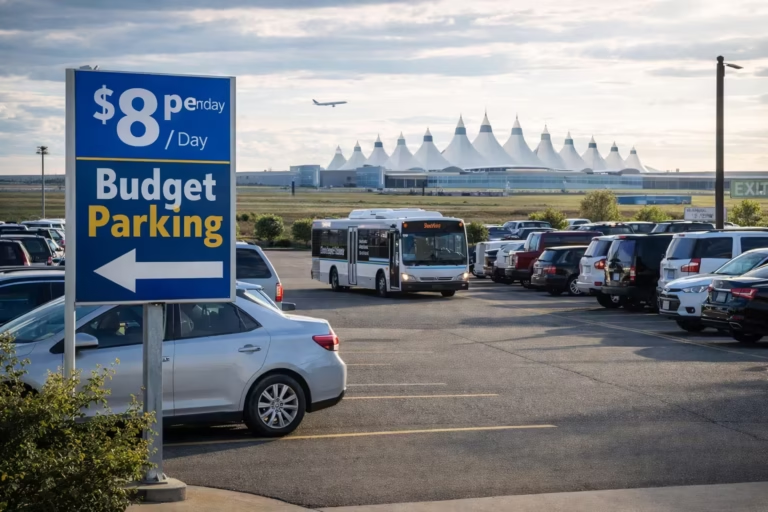
Colorado International Airport (Denver International Airport): The Ultimate Guide for Travelers
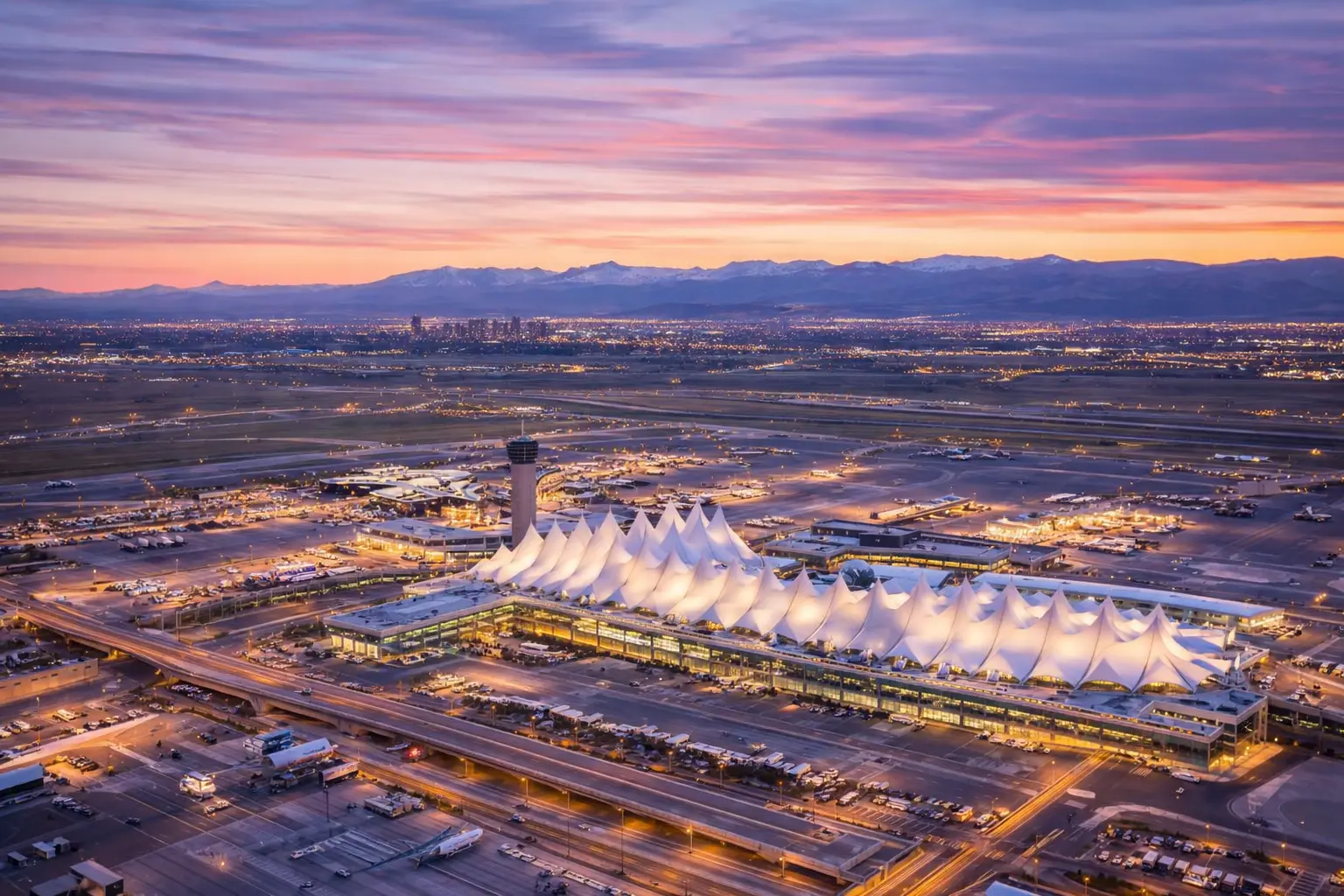
Denver International Airport — commonly referred to as Colorado International Airport, or DEN/DIA — is far more than a travel hub. It’s an aviation powerhouse, a cultural landmark, an economic engine, and a gateway to the American West. Serving tens of millions of passengers each year, it stands as one of the busiest and most expansive airports in the world.
In this comprehensive guide, we explore every aspect of Denver International Airport — from its history and design to its facilities, transportation links, art installations, sustainability goals, and future expansion plans.
Overview: What Makes Colorado International Airport Unique?
Denver International Airport is located about 19 miles (31 km) northeast of downtown Denver, Colorado and sits on an enormous 53 square miles of land — making it the largest airport in the United States and the second largest in the world by land area.
In 2024, DEN welcomed a record‑breaking 82.4 million passengers, surpassing previous records and solidifying its position as a major international and domestic hub.
It’s a primary hub for major carriers like United Airlines, Southwest Airlines, and Frontier Airlines, and it serves 200+ destinations worldwide to regions including North America, Europe, Asia, and beyond.
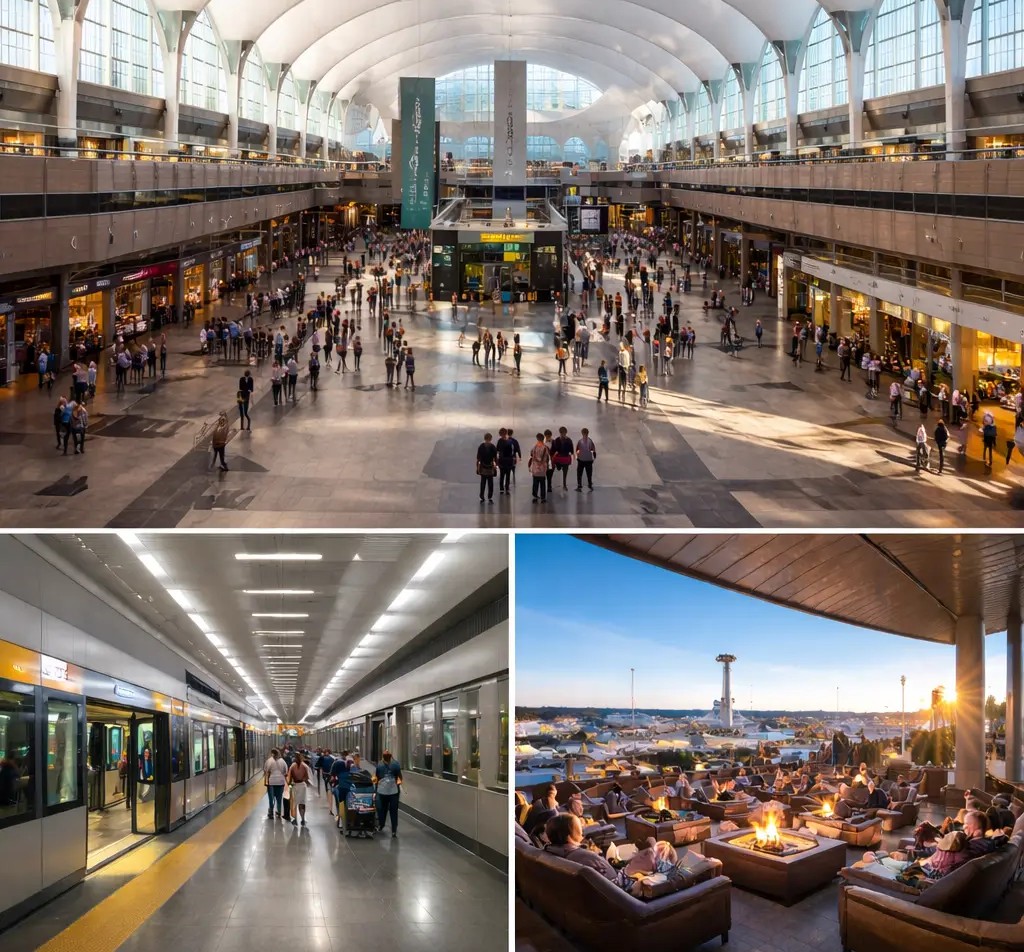
One of the standout features of Denver International Airport is its exceptional connectivity. Unlike many airports, where travelers often have to walk long distances to switch concourses, DEN makes the experience smoother with its underground tram system. This efficient transport system only requires a few steps and escalators, allowing passengers to seamlessly transfer between concourses without unnecessary delays. It’s one of the airport’s many thoughtful design choices that enhance the convenience for all visitors.
Another unique touch that stands out at DEN is the clever use of natural light. The windows in the ceiling not only add an aesthetic appeal but also bring in the sunshine, allowing travelers to enjoy the warmth of Denver’s natural light while inside the airport. This touch creates a bright, welcoming atmosphere, making the airport feel more open and lively.
A Deeper Look at DEN’s History
A Bold Vision
Denver International Airport opened on February 28, 1995, replacing the smaller Stapleton International Airport, which had become too constrained by surrounding urban development.
The shift from Stapleton to Denver International was massive:
- Over 100 aircraft, 13,000 vehicles, and 6,000 rental cars were relocated in a single day in one of aviation’s most ambitious transitions.
- DEN’s design was conceived in the late 1980s and early 1990s to accommodate future growth and modern aviation demands.
Rapid Growth
Since its opening, DEN has seen tremendous growth:
- In 1995 it served about 31 million passengers.
- By 2014, annual traffic exceeded 53 million.
- In 2024, traffic hit a major milestone of over 80 million annual passengers — the highest in its history.
This growth reflects Denver’s rise as a major airline hub and a crucial gateway in the U.S. aviation network.
Denver International Airport by the Numbers
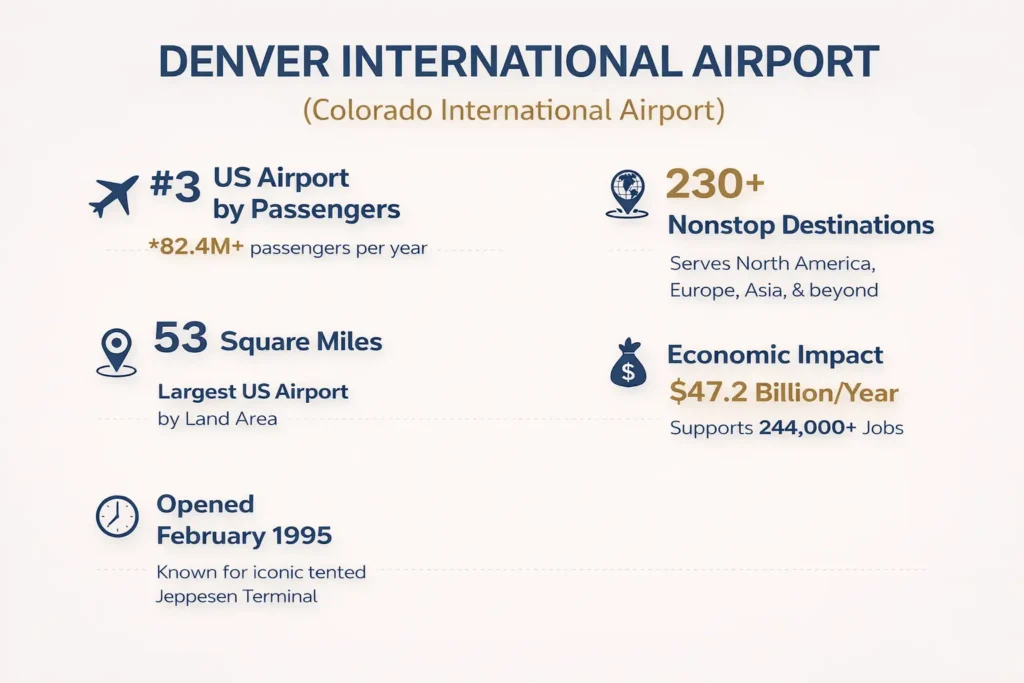
- Annual passengers (2024): 82.4 M+ — an all‑time high.
- Economic impact: $47.2 B annually for the Colorado region.
- Jobs supported: 244,172+ contributing to local and regional employment.
- Gates: 173+ across three concourses.
- Concession space: 250,000+ sq ft with 200+ dining/retail options.
- Largest airport by land area in the U.S.: 53 sq mi.
Architecture & Design: The Jeppesen Terminal
The heart of DEN is the Jeppesen Terminal, named for aviation pioneer Elrey B. Jeppesen. Its iconic peaked, white tensile roof was designed to resemble the snow‑capped Rocky Mountains and Native American teepees, creating a strong visual identity tied to the region’s geography and heritage.
Terminal Layout
The Jeppesen Terminal comprises multiple levels:
- Level 4: Passenger pick‑ups and arrivals area.
- Level 5: Ticketing, check‑in, ground transportation and main entries.
- Level 6: Security checkpoints.
It houses ticket counters, baggage claim, TSA security screening, shops, restaurants, lounges, and ground transport facilities within its 2.6 million sq ft space.
For art lovers and those looking for a moment of quiet reflection, Concourse A offers a wonderful treat — a series of small tiles arranged into intricate pictures. As you pass by, you’ll find yourself drawn to these artistic pieces, offering a delightful distraction that refreshes your spirit as you journey through the airport.
Concourses: A, B & C
Beyond the Jeppesen Terminal are the three midfield concourses, connected by an underground Automated Guideway Transit System (AGTS) — DEN’s people mover train.
Concourse Breakdown
- Concourse A: Used by airlines such as United, Frontier, Delta, and international carriers; includes international arrival facilities and gates equipped for wide‑body aircraft like the Airbus A380.
- Concourse B: Primarily serves United Airlines.
- Concourse C: Primarily serves Southwest Airlines and other carriers.
These concourses together provide over 170 gates and hundreds of boarding bridges.
Concourse A has recently undergone a full renovation, elevating the airport’s offerings. The space is now flooded with natural light, creating a spacious, airy atmosphere that makes it a more pleasant place to spend time while waiting for your flight. The new comfortable seating areas feature ample phone chargers and electrical outlets, allowing you to recharge both your devices and yourself. While some of the upgraded food and shopping options are quite expensive, the improved amenities make it a much more comfortable and convenient experience.
A notable addition to the area is the outdoor seating near the terminals, complete with fire pits to help you relax before your flight. This feature, along with a designated dog relief station, ensures that even your furry companions are well taken care of during your airport visit. These thoughtful details contribute to the overall appeal of DEN as a traveler-friendly hub.
Transportation Options: Getting In and Out
Transportation at DEN is well‑integrated for both local and long‑distance travelers.
Rail & Public Transit
The A Line of Denver’s Regional Transportation District (RTD) connects DEN to Union Station downtown in around 37 minutes, offering frequent and cost‑effective service.
At the Denver Airport Station, passengers can also access guided rail and secure check‑in kiosks before entering the airport.
Ground Transport Options
Ground transport at DEN includes:
- Buses & shuttles for local connections.
- Taxis, limousines, and rideshares (Uber, Lyft).
- Hotel and parking shuttles, rental car shuttles, and charter services.
Travelers should note that ground transport pick‑up areas are located on Level 5 of the terminal.
Art & Cultural Installations
Denver International Airport is widely known for its extensive public art program, funded by a municipal requirement that dedicates 1% of capital project budgets to art installations.
Iconic Pieces
- “Blucifer” (Blue Mustang): A 32‑foot cobalt statue with glowing red eyes, often associated with local lore and controversy.
- “It’s Not What You Take, It’s What You Bring Back”: A suspended infinity loop of 183 suitcases donated by locals—symbolizing the stories travelers carry.
- “Kinetic Air Light Curtain”: Interactive art in the AGTS people mover tunnels.
In total, DEN features dozens of public art pieces—from murals and sculptures to sound installations—enhancing the travel experience and celebrating cultural diversity.
Passenger Amenities
Widely regarded as one of the best airports in the U.S., Denver International Airport is not only massive in size but also diverse and culturally rich. As one of the largest airports in terms of land area in the U.S., it serves as a gateway to the Rocky Mountains and provides connections to numerous destinations across the country and around the world. DEN is strategically located in the central U.S., making it a convenient hub for travelers heading to various regions in the western states.
What truly sets DEN apart is its efficient design, which enhances the flow of traffic, both for arrivals and departures. The airport features separate floors for departures and arrivals, a unique setup that prevents congestion and ensures smooth operations. The rental car services and taxi pick-up areas are also located on their own dedicated floor, eliminating confusion and making the entire arrival and departure process more streamlined. Denver International Airport offers a wide array of amenities aimed at improving passenger comfort and convenience:
Dining & Shopping
With 250,000+ sq ft of concession space and 200+ dining and retail locations, travelers can enjoy a variety of food options—from local Colorado eateries to international food chains and specialty shops.
Lounges & Services
DEN features airline lounges, business centers, family amenities, and services like
- Charging stations
- Free Wi‑Fi
- Medical and first‑aid stations
- Lost & found assistance
Accessibility
The airport is fully ADA‑compliant with wheelchair access, assistance services, and signage designed to support all travelers.
Sustainability & Innovation
Denver International Airport has made significant progress in sustainability, balancing growth with environmental responsibility:
- 15.5% reduction in greenhouse gas emissions since 2019, even as traffic rose.
- Over 40 million kWh of solar energy generation annually, one of the largest airport solar programs globally.
- Waste diversion initiatives and pilot zero‑waste programs.
DEN’s approach aligns with broader aviation industry trends to reduce greenhouse gas emissions, increase energy efficiency, and promote sustainable operations.
Economic & Regional Impact
Denver International Airport is a cornerstone of Colorado’s economy:
- Generates approximately $47.2 billion annually in economic output.
- Supports over 244,000 jobs statewide.
- Acts as the largest single employer in Colorado.
When DEN reaches projected milestones like 100 million annual passengers, economists predict economic contributions could exceed $71 billion and support hundreds of thousands of additional jobs.
Current Expansion & Future Plans
Great Hall Renovation
DEN is undergoing a major Great Hall transformation, aimed at modernizing security checkpoints, improving passenger flow, and expanding amenities. This project includes:
- New themed zones like “Global Gateway” and “Welcome Home, Colorado.”
- Redesigned security areas and retail/dining spaces.
- Improved passenger information and seating options.
Long‑Term Expansion Projects
DEN’s future vision includes plans for additional concourses and gates to support 100+ million passengers annually, anticipated by 2045. These expansions will help accommodate increased demand while improving operational efficiency.
Tips for Travelers
To make the most of your DEN experience:
Controversies & Public Perception
Despite its many strengths, DEN has faced mixed reviews. Heavy construction, growth pains, and crowding have affected customer satisfaction ratings in some surveys, though airport leadership emphasizes ongoing improvements and long‑term modernization.
14. FAQs—What Travelers Ask Most
Q: Where is Denver International Airport located?
A: About 19 miles northeast of downtown Denver, Colorado.
Q: Is DEN the largest airport in the U.S.?
A: Yes—by total land area (53 sq mi).
Q: What airlines use DEN as a hub?
A: United, Southwest, Frontier, and others.
Q: Is there rail service from downtown Denver?
A: Yes—the A Line RTD rail connects downtown to the airp
Conclusion
Denver International Airport—or Colorado International Airport—is more than a transportation hub. It’s a living ecosystem of travelers, culture, commerce, and innovation. With world‑record traffic, expansive facilities, bold sustainability goals, and ambitious future plans, it continues to elevate the travel experience while shaping Colorado’s future.
Whether you’re a first‑time visitor or frequent flyer, DEN’s blend of architecture, art, amenities, and connectivity makes it one of the most fascinating airports in the world.