17 Best Swimming Lakes in Colorado With Beaches for Summer Fun
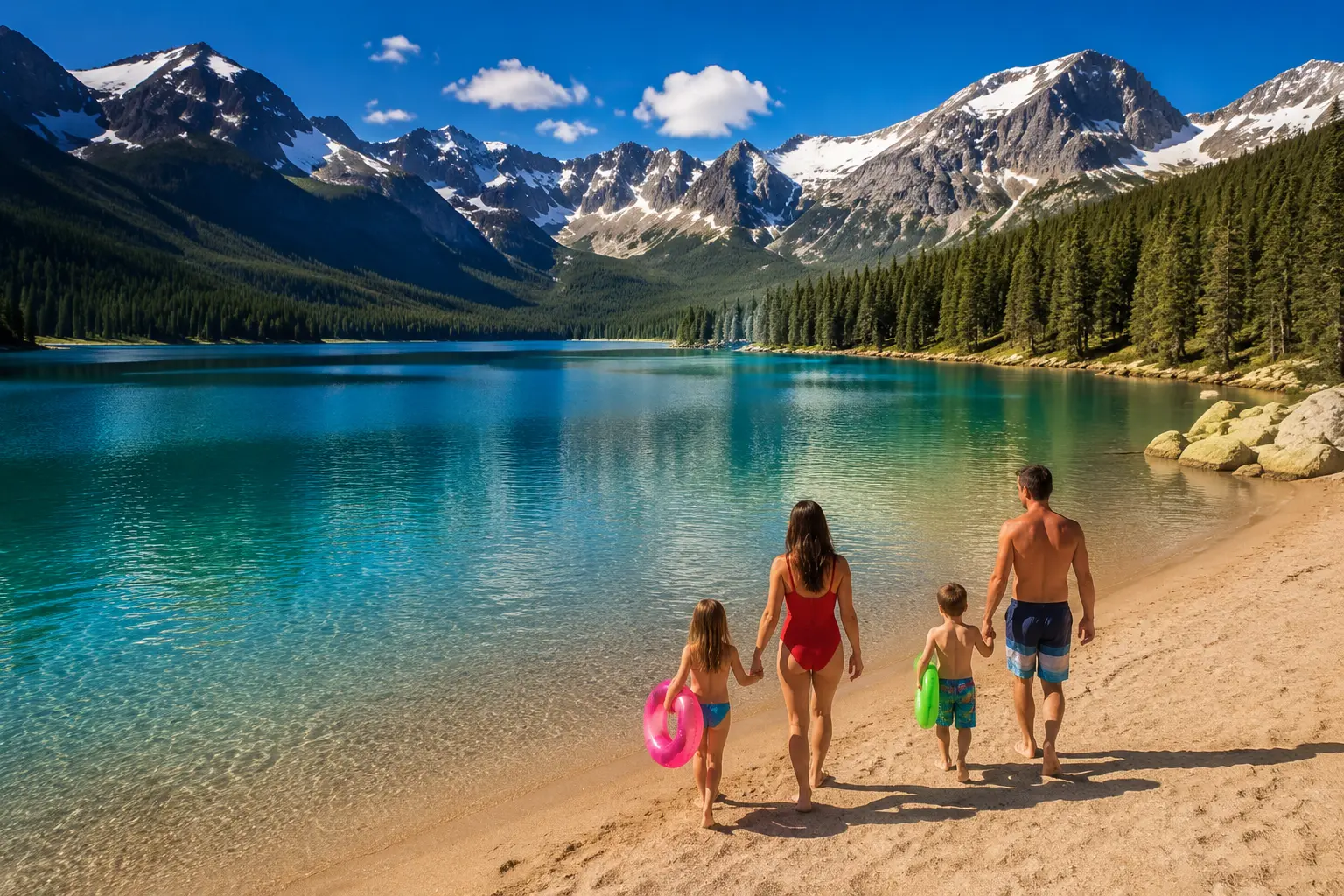
Summer in Colorado hits differently. By mid-July, Denver routinely touches 95°F, hiking trails radiate heat, and the search for relief becomes urgent. Most visitors picture ski slopes when they think of Colorado, but those same mountains cradle some of the most breathtaking swimming lakes in Colorado you’ll ever find. The problem? Knowing which ones actually allow swimming, which ones are too cold to enjoy, and which ones offer real amenities for a family lake day.
That frustration is real. You drive an hour only to find a “no swimming” sign. You pack the cooler, load the kids, and discover the “beach” is a patch of muddy rocks. Not anymore. This guide is built from firsthand research, verified park information, and regional experience to give you the most complete, up-to-date resource on swimmable lakes in Colorado—organized by region, backed by practical details, and designed to help you plan a perfect day on the water.
Top Swimming Lakes in Colorado by Region
|
Lake / Reservoir |
Region |
Lifeguard? |
Beach? |
Best For |
|---|---|---|---|---|
|
Chatfield Reservoir |
Denver Metro |
No |
Yes |
Families, boating |
|
Cherry Creek Reservoir |
Denver Metro |
No |
Yes |
Day trips, water sports |
|
Boulder Reservoir |
Northern CO |
Yes |
Yes |
Families, beginner swimmers |
|
Horsetooth Reservoir |
Northern CO |
No |
Yes |
Scenic views, kayaking |
|
Boyd Lake State Park |
Northern CO |
No |
Yes |
Couples, camping |
|
Steamboat Lake |
Mountains |
No |
Yes |
Mountain scenery, SUP |
|
Grand Lake |
Mountains |
No |
Yes |
Deepest natural lake |
|
Lake Irwin |
Mountains |
No |
Yes |
Alpine beauty |
|
Pueblo Reservoir |
Southern CO |
No |
Yes |
Large boats, big crowds |
|
Lake Nighthorse |
Southern CO |
Yes |
Yes |
Families, inflatable park |
Swimming Lakes Near Denver
Denver residents are lucky. Within 45 minutes of the city, several excellent swimming lakes in Colorado offer sandy beaches, parking, and warm-enough water from late May through Labor Day.
Chatfield Reservoir – Littleton
Address: 11500 N Roxborough Park Rd, Littleton, CO 80125
Chatfield State Park sits just off Highway C-470 and ranks among the most popular swimming lakes near Denver. The designated swim beach opens each summer with calm, shallow entry water—ideal for families with young children. Beyond the beach, visitors enjoy 26 miles of bike trails, horseback riding through Chatfield Stables, paddle boarding, kayaking, and even a dog-friendly zone (note: no pets on the beach itself).
Camping is available with electric and full hookup sites, so a one-night trip is easy to plan. However, arrive early on weekends—the parking lots fill fast. Furthermore, boats are permitted on the water, giving the lake a lively, energetic feel on warm afternoons.
Personal note: Of all the swimming lakes in Colorado close to Denver, Chatfield consistently delivers the full package, like a beach, trails, and camping in a single park.
A day-use vehicle pass is required. Check Colorado Parks & Wildlife for current fees.
Cherry Creek Reservoir – Aurora
Address: 4201 S Parker Rd, Aurora, CO 80014
Cherry Creek State Park sits less than 30 minutes from downtown Denver, making it one of the most accessible lakes with beaches in Colorado. The sandy swim beach sits near boat ramps and launch areas for paddle boards, kayaks, and jet skis. There’s also a large off-leash dog park, which means the whole family—four-legged members included—can join the outing.
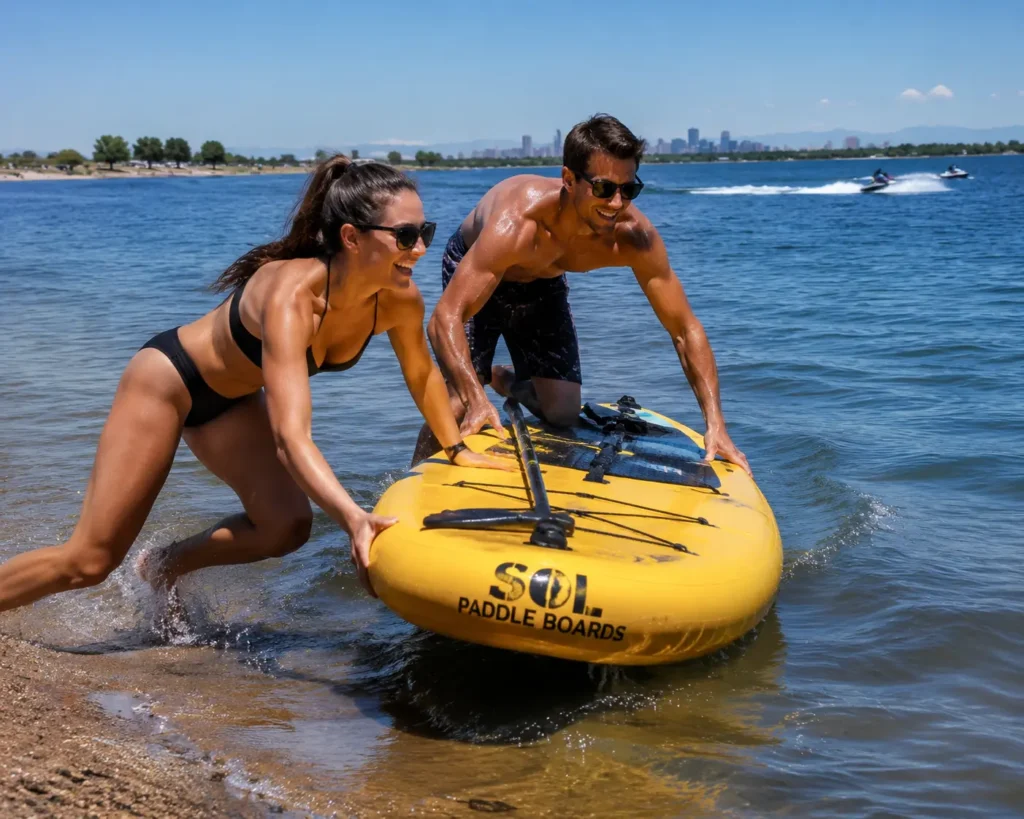
Cherry Creek is consistently one of the busiest summer destinations in the metro area. Equally, the water sports scene here is unmatched in the Denver area. Therefore, planning a weekday visit makes for a noticeably more relaxed experience. The park requires a vehicle pass. Visit Colorado Parks & Wildlife’s online shop to purchase passes and any fishing licenses in advance.
Read this: Top Attractions and Things to Do Near Denver International Airport
Big Soda Lake at Bear Creek Lake Park – Lakewood
Address: 15600 W Morrison Rd, Lakewood, CO 80465
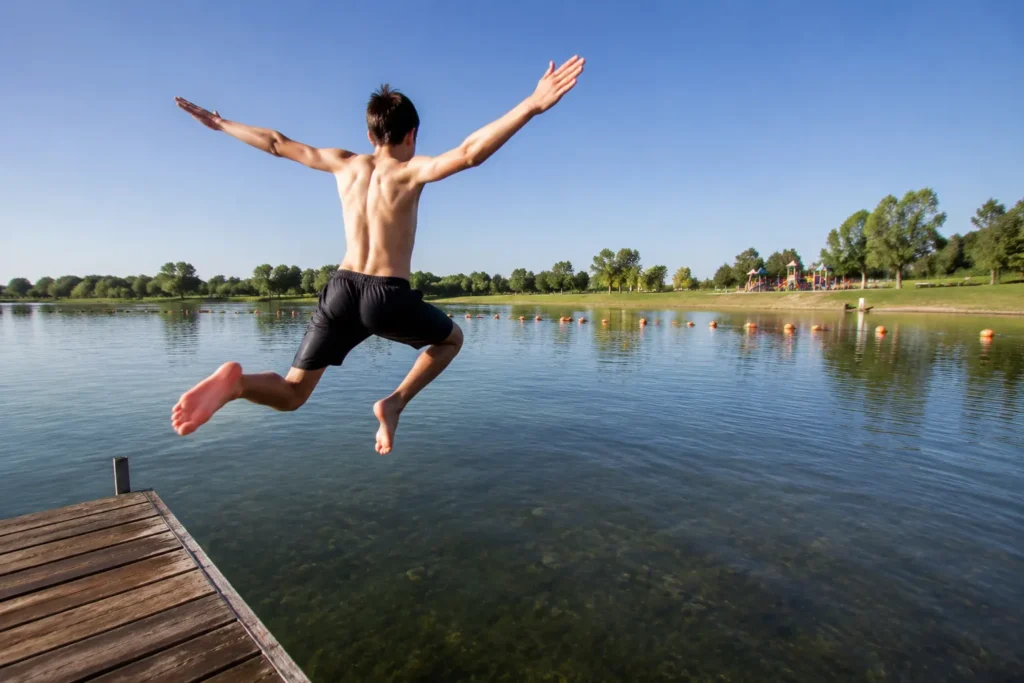
Big Soda Lake is a hidden gem among swimmable lakes in Colorado. Located inside Bear Creek Lake Park in Lakewood, it offers a genuine swim beach with orange buoy-marked swim lanes—unusual for a Colorado Front Range lake. The buoy lanes make it easy for lap swimmers and more confident swimmers to stay organized.
Kids love switching between the water and the nearby playground. There are volleyball courts, plenty of picnic tables, and even an archery range nearby. Additionally, Bear Creek Lake (a separate body of water within the same park) allows boating if you want a full-day water adventure.
No lifeguard is on duty, so adult supervision is essential. Even so, the calm water and organized swim area make this one of the most underrated lakes with beaches in Colorado.
Aurora Reservoir – Aurora
Address: 5800 S Powhaton Rd, Aurora, CO 80019
Aurora Reservoir may look remote, but it offers a clean, well-maintained swim beach that genuinely impresses first-time visitors. The clarity of the water here stands out immediately — you can see the bottom easily in the shallower areas, and the color shifts from pale turquoise to deep blue as depth increases.
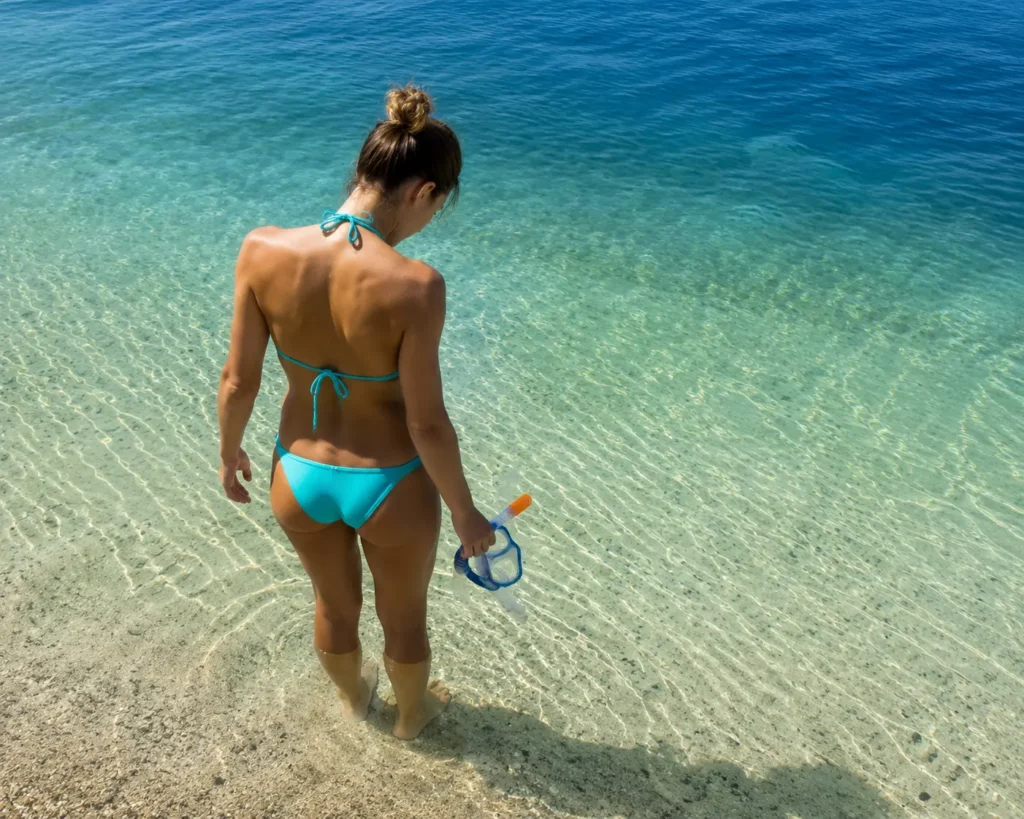
A large park sits just steps from the beach, making it ideal for families who want to split time between the water and dry land. Paddle boards and kayaks can be launched directly from the beach area. Check the Aurora Reservoir website for current pricing and seasonal hours before you go.
Swimming Lakes in Northern Colorado
Northern Colorado offers some of the most scenic and well-developed swimming lakes in the state. Whether you’re based in Fort Collins, Loveland, or Boulder, you’re close to excellent options.
Horsetooth Reservoir – Fort Collins
Address: 4200 W County Rd 38E, Fort Collins, CO 80526
Horsetooth Reservoir is arguably the crown jewel of swimming lakes in Northern Colorado. Sitting just west of Fort Collins along 6.5 miles of blue water surrounded by 1,900 acres of public land, this reservoir offers breathtaking views, designated swim beaches, and endless activity options.
In addition to swimming, visitors enjoy camping, boating, biking along nearby trails, and fishing. The water temperature warms sufficiently by June, though early mornings still feel crisp at this elevation. The Larimer County Parks annual pass ($90) pays for itself quickly if you visit more than ten times — especially since daily parking runs $9.
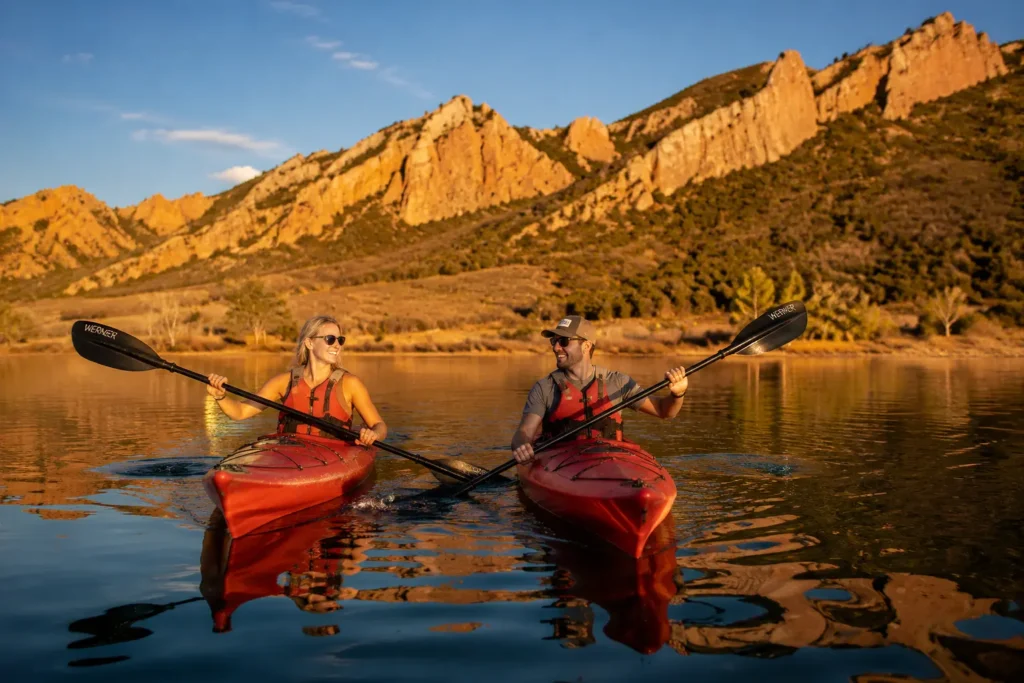
Lory State Park borders the reservoir on the north side, adding hiking trail access to an already impressive amenity list. Moreover, Horsetooth Falls sits just a short drive away, giving your trip an adventurous bonus.
Boulder Reservoir – Boulder
Address: 5565 51st Street, Boulder, CO 80301
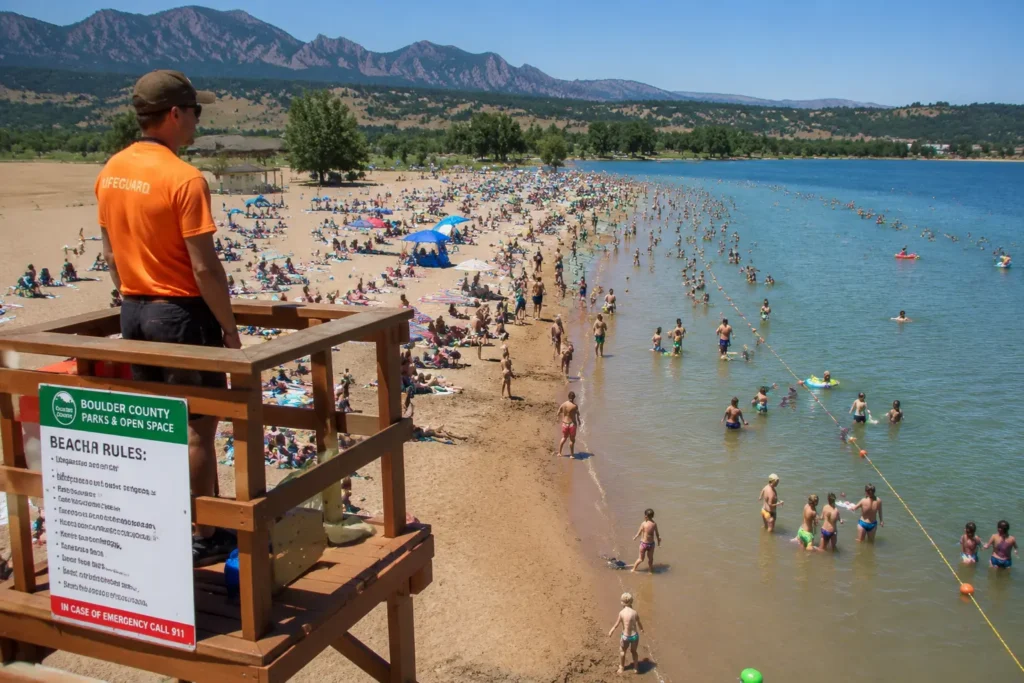
Boulder Reservoir is the rare Colorado lake that feels almost like an ocean beach—a packed sandy shore, picnic tables, cold drinks, and an energy that’s hard to find elsewhere. More importantly, it’s one of the only swimming lakes in Colorado that stations a lifeguard on duty during summer months. For parents with young children, that peace of mind is invaluable.
The lake requires water temperatures to reach at least 60°F before the swim area opens each season. Group visits of more than ten people must make reservations in advance. Additionally, any watercraft—including large inflatable paddleboards—requires a permit. The indoor restaurant, bathrooms, and locker room make Boulder Reservoir the most polished public swim venue in the state.
Adult entry runs approximately $9 during summer months. After Labor Day, the fee is waived.
Boyd Lake State Park – Loveland
Address: 3720 N County Road 11C, Loveland, CO 80538
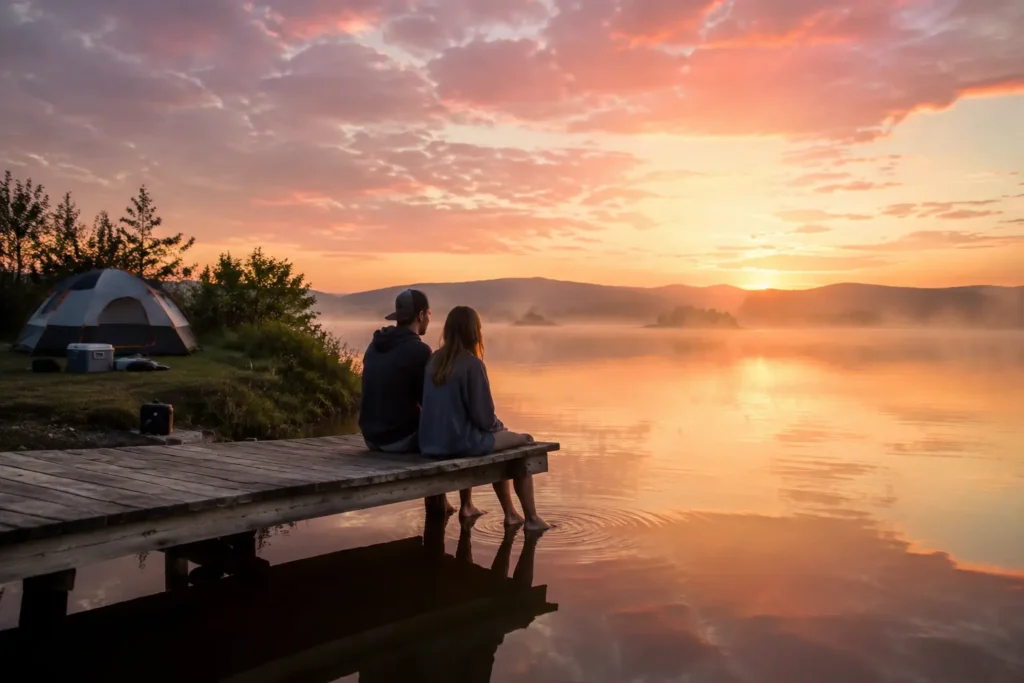
Boyd Lake is a quieter alternative to the more crowded northern Colorado reservoirs. Located just an hour north of Denver in Loveland, it offers sandy beaches, picnic areas, and calm waters that warm up nicely by midsummer. Camping is available on-site, and the park is well-maintained by Colorado Parks & Wildlife.
Consequently, Boyd Lake is a strong choice for couples or small groups who prefer a calmer atmosphere. Water sports, fishing, and shoreline relaxing all fit naturally into a full day here. In other words, Boyd Lake works perfectly when you want the lake experience without the crowd.
Mountain Swimming Lakes in Colorado
Elevation changes everything. Mountain lakes in Colorado sit at altitudes ranging from 7,000 to over 9,500 feet, which means two things: stunning scenery and noticeably cold water. Nevertheless, several of these high-altitude lakes offer genuine swimming in a setting that no front-range reservoir can match.
Steamboat Lake – Near Steamboat Springs
Address: 61105 Rcr 129, Clark, CO 80428 (Steamboat Lake State Park)
Steamboat Lake consistently earns its place among the top swimming lakes in Colorado for good reason. The backdrop—Hahn’s Peak reflected in impossibly blue water, surrounded by conifers—qualifies as one of the most scenic swimming spots in the Rocky Mountain West. The park sits at over 8,000 feet above sea level, so expect the water to be refreshingly cold even in July.
Summer visits are best done in a full day. Swim at the beach in the early afternoon when the air temperature peaks, then paddleboard across the mirror-flat water in the evening. Boats must pass inspection before launch, and rentals are available through Steamboat Lake Marina. RV hookups and camping round out a complete mountain retreat.
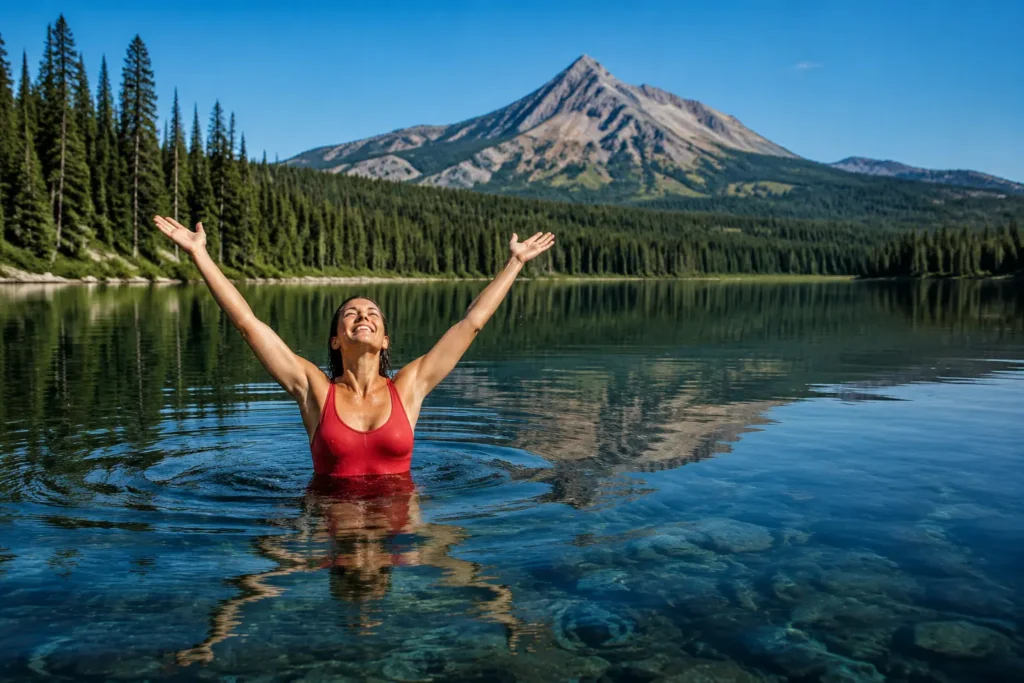
Personal experience: Visiting Steamboat Lake in mid-July and finding 80°F air temperatures balanced against 65°F water makes for a genuinely perfect summer afternoon. The cold is bracing, not punishing.
Grand Lake – Grand County
Address: Grand Lake Marina, 1132 Lake Ave, Grand Lake, CO 80447
Grand Lake holds a unique distinction: it’s the largest and deepest natural lake in Colorado. While most Colorado lakes are man-made reservoirs, Grand Lake is glacier-formed and surrounded by the peaks of Rocky Mountain National Park. That geological backstory translates into dramatic scenery and crystal-clear water.
Swimming is permitted in Grand Lake. Boat rentals, kayaks, canoes, SUPs, and paddle boats are all available through Grand Lake Marina. Furthermore, the charming town of Grand Lake itself offers restaurants, shops, and lodging, making it ideal for a weekend trip. While you’re in the area, the west entrance of Rocky Mountain National Park is minutes away.
Twin Lakes – Near Leadville
Address: Twin Lakes, CO (near Highway 82)
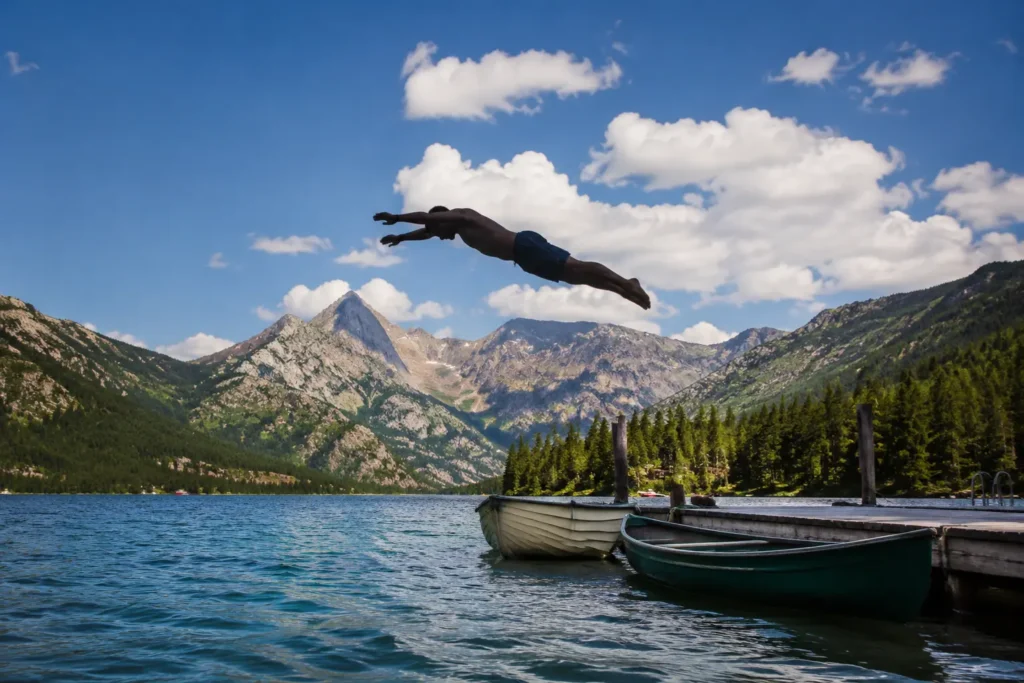
Twin Lakes holds a special kind of beauty. At the foot of Colorado’s highest peak — 14,439-foot Mount Elbert — two glacial lakes sit in a wide valley that makes the surrounding mountains look even bigger than they are. Colorado’s two largest glacial lakes, side by side, framed by 14ers: it’s a bucket-list view.
Swimming is technically allowed, though the water stays very cold — even in August, temperatures hover in the mid-60s at best. If a full swim isn’t appealing, paddleboarding across the calm water delivers the same spectacular scenery without the cold shock. The small village of Twin Lakes has a historic inn and saloon, adding a Wild West charm to the stop.
Lake Irwin – Near Crested Butte
Address: Forest Road 826, Crested Butte, CO 81224
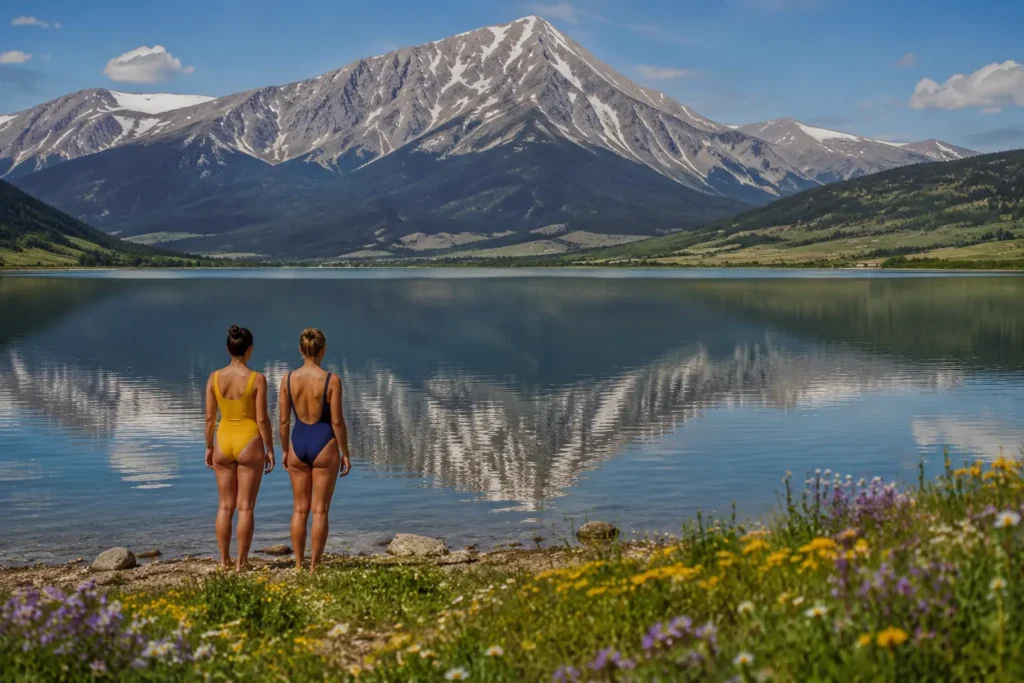
Lake Irwin might be the single most photogenic swimming lake in Colorado. Sitting above Crested Butte at roughly 10,000 feet, the lake reflects wildflower-covered meadows and rugged peaks with almost surreal clarity. The swim beach is small but peaceful, and picnic tables line the shoreline.
Arrive early — the lake gets noticeably crowded by late morning on summer weekends, particularly in July when Crested Butte’s famous wildflower season brings hikers and photographers from across the country. A short trail winds around the lake for those who want to explore on foot. Because it sits at high altitude, the water is cold, but on a warm July afternoon, it’s absolutely swimmable.
Green Mountain Reservoir – Heeney
Address: Heeney Marina, 151 CO Rd 1798, Silverthorne, CO 80498
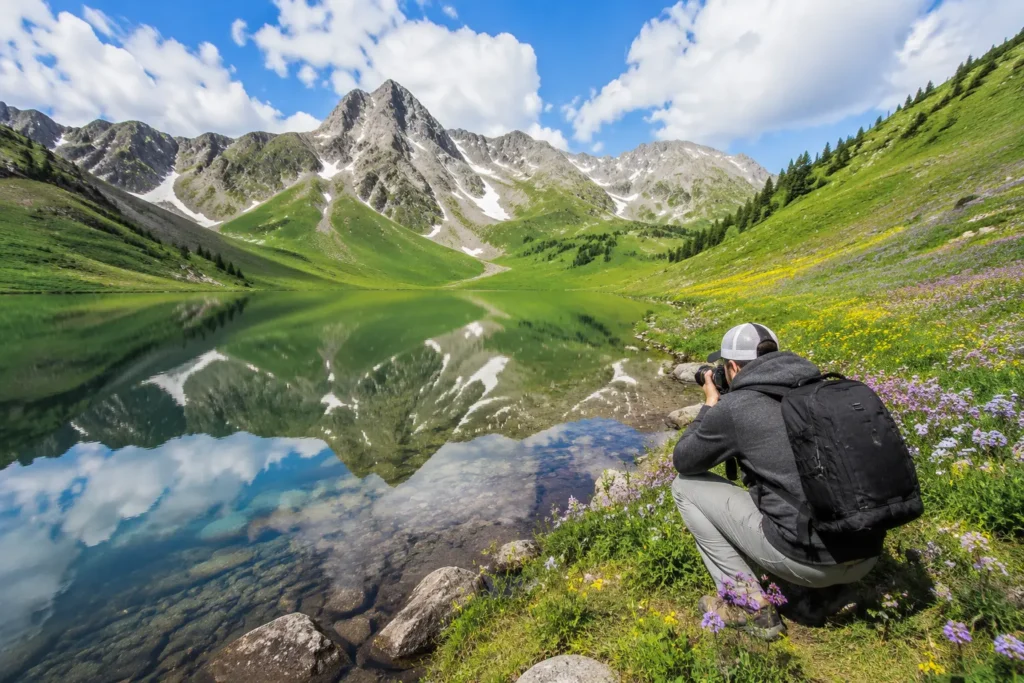
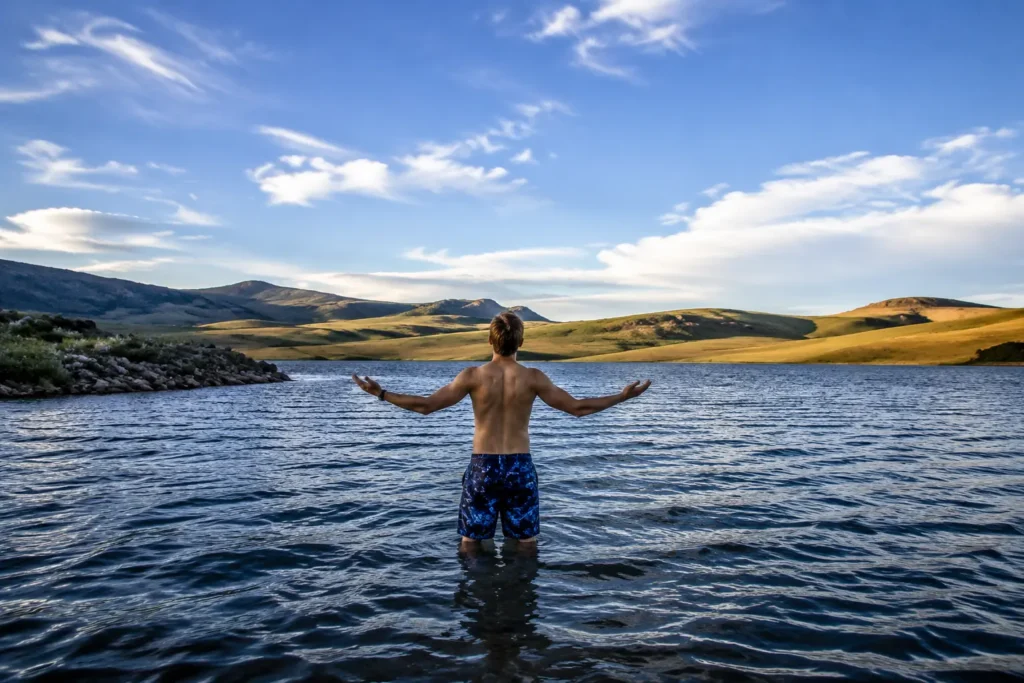
Located along Highway 9 between Silverthorne and Kremmling, Green Mountain Reservoir is one of the most scenically isolated swimming lakes in Colorado despite sitting right along a major road. The contrast — vast blue water, rolling hills, and almost no development — gives the reservoir a wild, untouched feeling.
Camping is available in a rustic style (no hookups), and the activity list is long: swimming, paddleboarding, fishing, boating, and even Jeep rentals nearby. In addition, the drive up Highway 9 from I-70 is one of the most underappreciated scenic routes in the state. Stop here when heading north toward Steamboat Springs and you won’t regret the detour.
Swimming Lakes Near Colorado Springs
Colorado Springs sits between the Denver metro and the southern mountains, with solid swimming options in both directions.
Pueblo Reservoir – Rock Canyon Swim Beach
Address: Lake Pueblo State Park, Pueblo, CO 81003
For a large, warm, beach-oriented swim experience, Pueblo Reservoir’s Rock Canyon Swim Beach is the clear choice near Colorado Springs. Open from Memorial Day through Labor Day, the beach sits near the confluence of the Arkansas River and the reservoir, in a protected cove that keeps the water calmer and warmer than the main lake.
Note that the beach is closed on Tuesdays and Wednesdays for maintenance. Dogs are not allowed on the swim beach. However, the 16-square-mile reservoir offers ample space for boats, jet skis, and fishing beyond the swim area. Camping, a fish hatchery, biking trails, and jet ski rentals fill out a full-day or multi-day visit.
Jackson Lake State Park – Fort Morgan
Address: 26363 CR 3, Orion, CO 80649
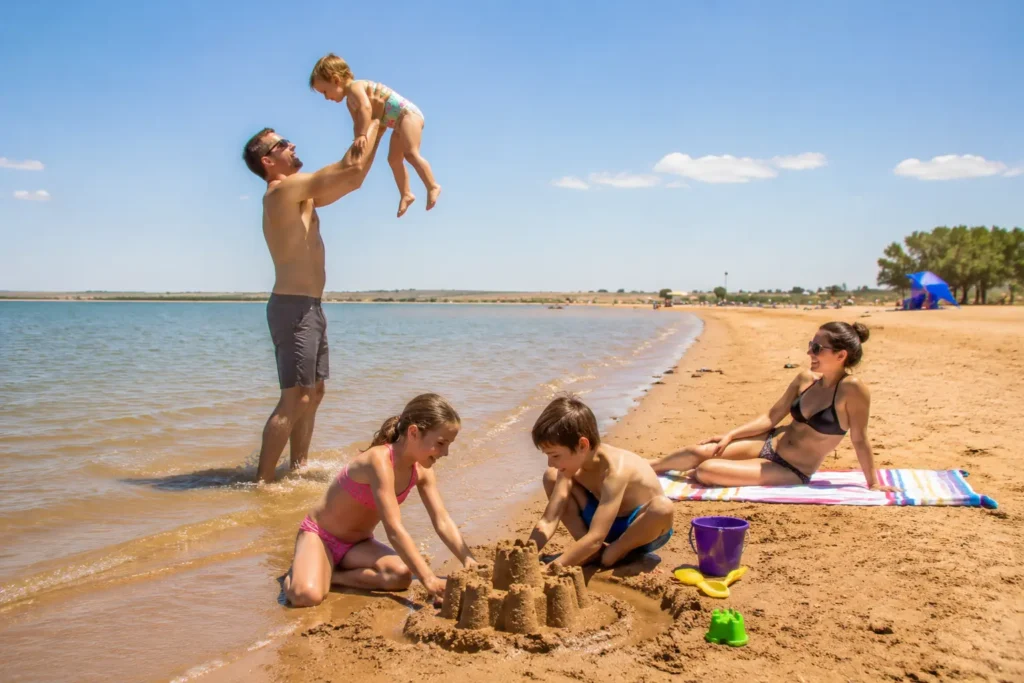
Jackson Lake State Park sits on Colorado’s Eastern Plains, about 90 minutes northeast of Denver. The reservoir features a large, shallow beach with sand that warms quickly in the summer sun—and because the water is shallow, it heats up faster than mountain lakes. This makes Jackson Lake one of the warmest swimming lakes in Colorado.
The park offers 240 campsites, sailboarding, boating, and water skiing in addition to swimming. For those driving across the state or stopping en route from Kansas or Nebraska, Jackson Lake is a genuinely worthwhile destination.
Swimming Lakes in Southern Colorado
Lake Nighthorse – Durango
Address: 1795 C.R. 210, Durango, CO 81303
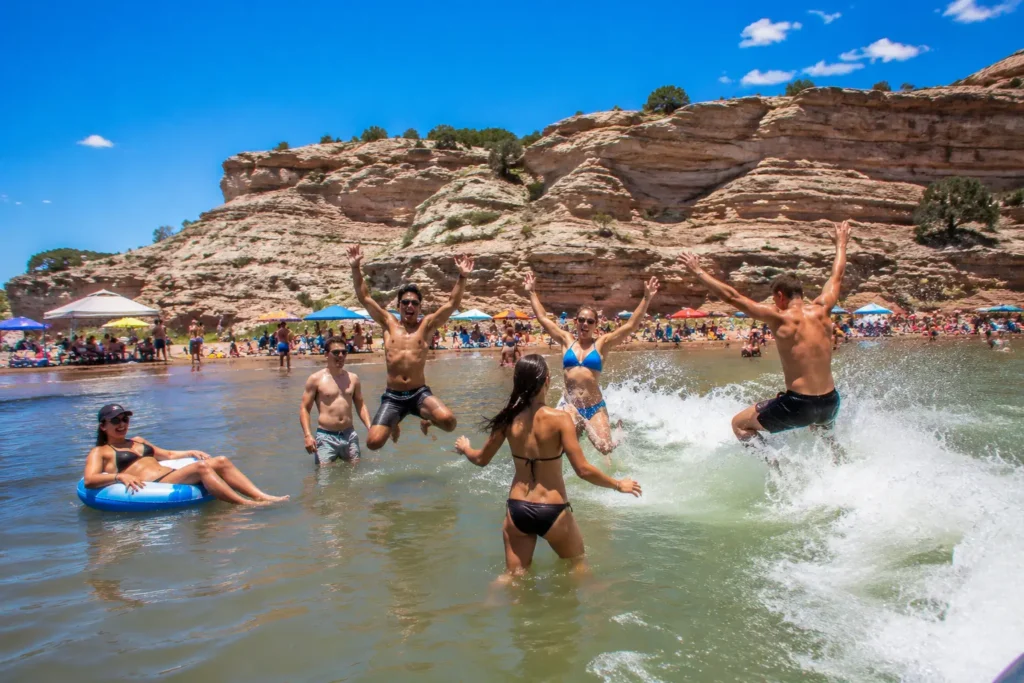
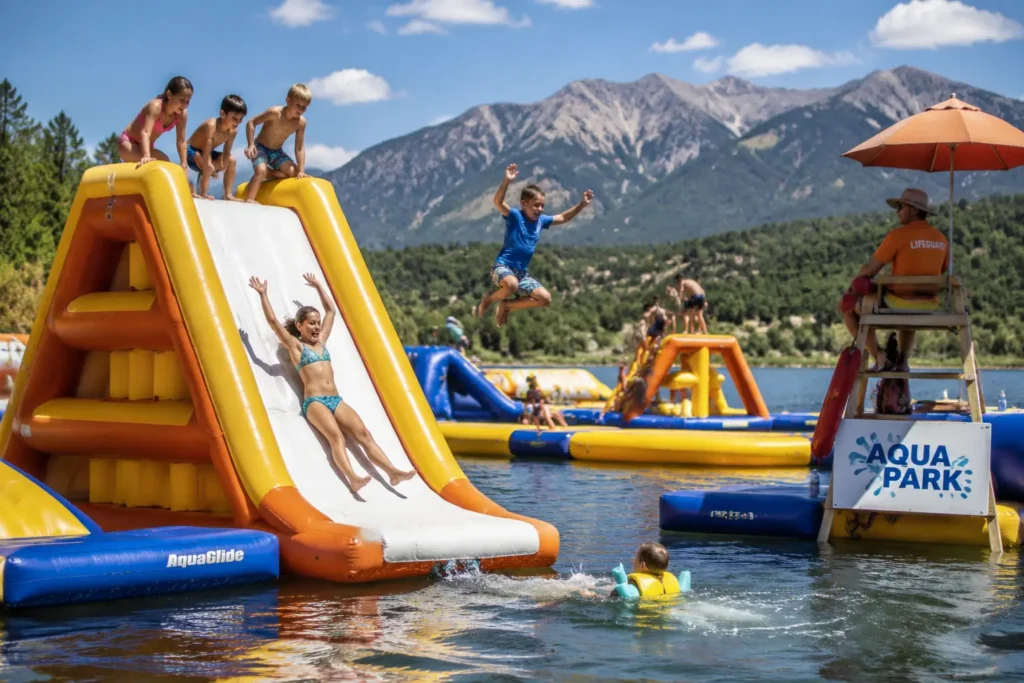
Lake Nighthorse earns its reputation as one of the most family-friendly swimming lakes in Colorado. The designated beach area is well-maintained, staffed by a lifeguard, and enhanced by an inflatable aqua park—a floating obstacle course open from 10am to 6pm. Kids absolutely love it.
Durango itself is one of Colorado’s most charming small cities, making Lake Nighthorse a natural anchor for a longer southern Colorado road trip. The Durango & Silverton Narrow Gauge Railroad, Mesa Verde National Park, and the San Juan Mountains all sit within an hour’s drive. Therefore, a lake day here pairs naturally with broader regional exploration.
Swimming Rivers in Colorado
Most guides focus exclusively on lakes, but Colorado’s rivers offer some of the best natural swimming in the state—particularly in late summer when flows drop and pools form.
Cache la Poudre River – Fort Collins / Poudre Canyon
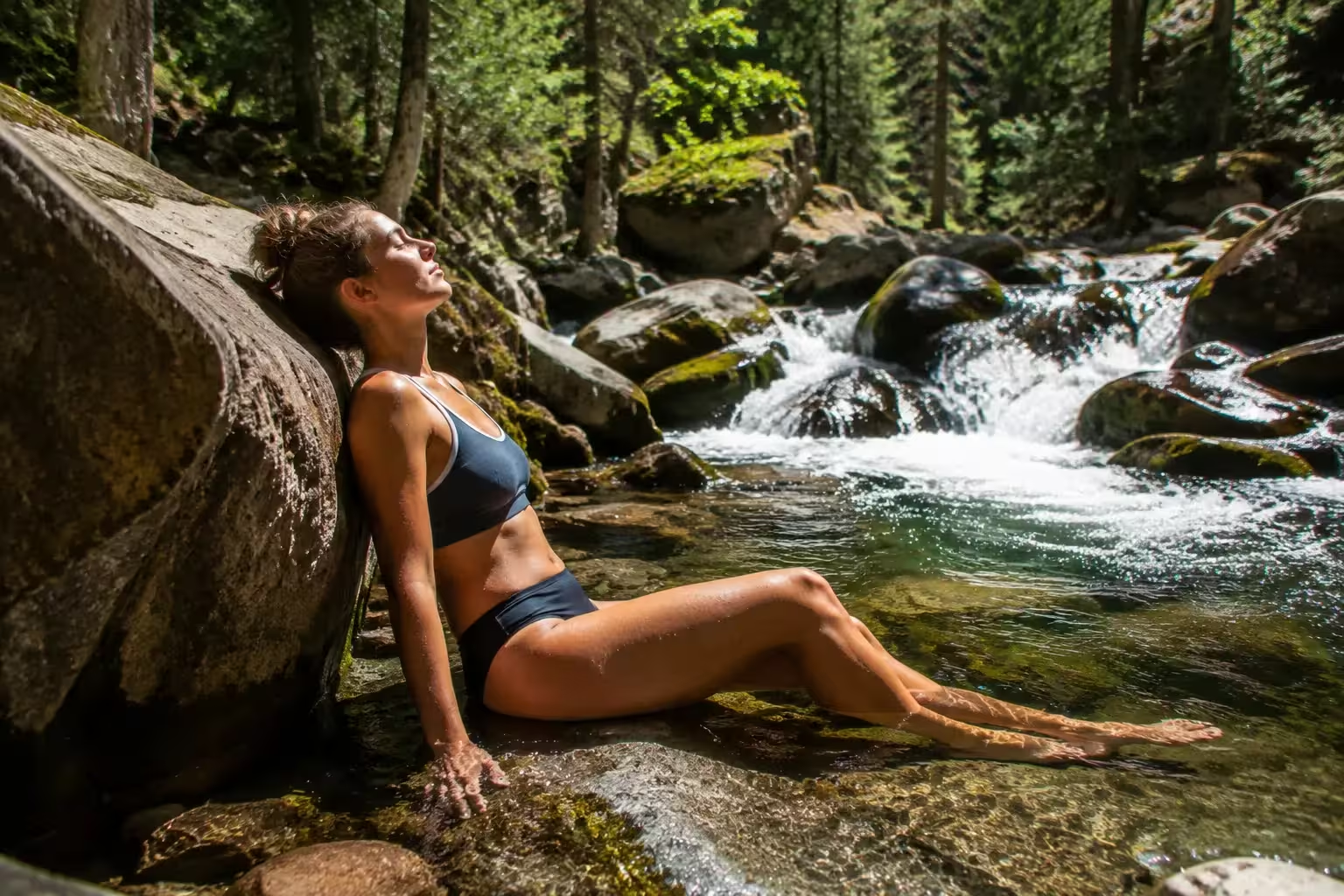
The Cache la Poudre River is the only river in Colorado designated as a wild and scenic river by Congress. Along its course through Poudre Canyon on Highway 14, multiple access points lead to swimming holes, calm pools, and splash zones. The water runs cold but refreshingly clear, sourced directly from Rocky Mountain snowmelt.
Mountain Whitewater in Fort Collins rents kayaks and SUPs for those who want to move with the current rather than just float in it. Beyond swimming, the canyon offers world-class whitewater kayaking in spring and early summer.
Clear Creek – Idaho Springs
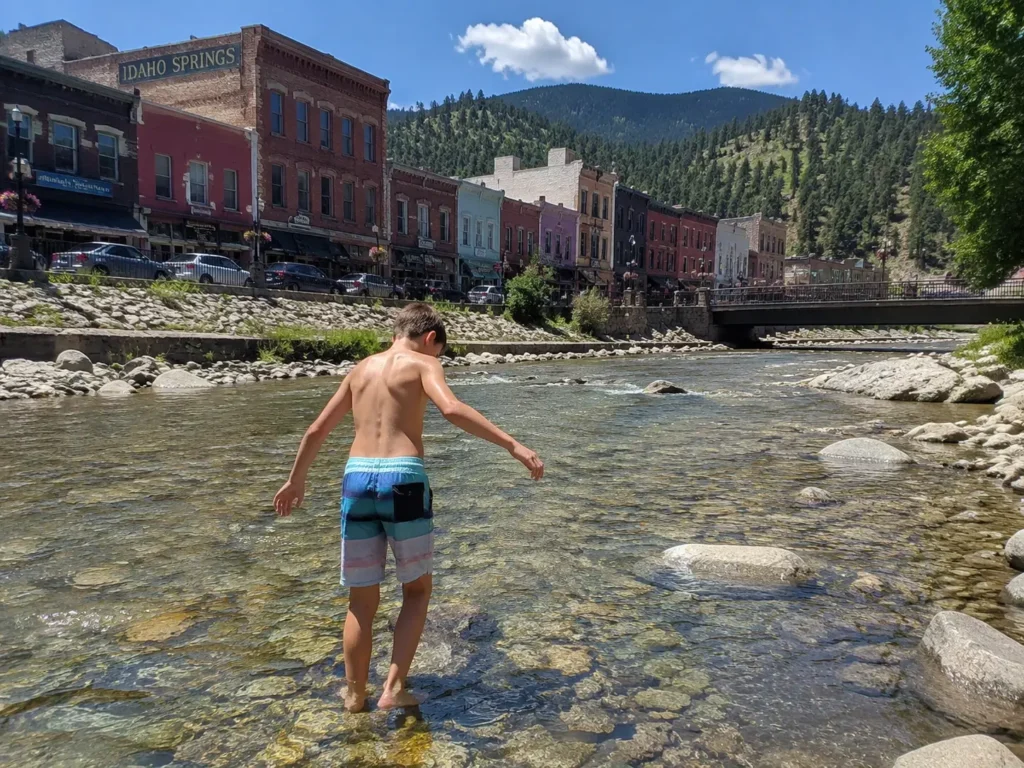
Clear Creek runs directly through the heart of Idaho Springs, roughly 35 miles west of Denver on I-70. During late summer, the creek level drops enough to reveal calm swimming holes and gravel bars perfect for wading. The water stays cold — it originates from snowmelt in the high peaks — but the easy access from the highway makes it one of the most convenient swimming rivers in Colorado for a spontaneous stop.
The town of Idaho Springs pairs well with a creek visit. Historic downtown shops, hot springs at Indian Springs Resort, and several mountain hiking trailheads make it a full-day destination.
Best Colorado Lakes with Beaches (Sandy Shores)
Not all Colorado lakes offer sandy beaches. Here’s a quick breakdown of the best lakes with beaches in Colorado specifically chosen for sandy, developed shorelines:
- Boulder Reservoir – Widest, sandiest beach in the front range
- Chatfield Reservoir – Large beach with full amenities
- Lake Nighthorse – Sandy beach plus inflatable water park
- Boyd Lake – Quiet, clean sandy shore
- Cherry Creek Reservoir – Popular metro beach, good sand
- Steamboat Lake – Scenic mountain beach with soft sand
- Jackson Lake – Warmest water, excellent sand on Eastern Plains
When choosing lakes with beaches in Colorado, look for Colorado Parks & Wildlife-managed sites. These consistently offer the best combination of maintained sand, water quality monitoring, and parking infrastructure.
Best Time to Swim in Colorado
Timing matters more in Colorado than in most other states, primarily because elevation affects both water temperature and weather patterns dramatically.
June: Water begins to warm after spring runoff. Front-range reservoirs like Cherry Creek and Chatfield are swimmable by mid-June. Mountain lakes remain cold through this month.
July: Peak swimming season across most of Colorado. Mountain lakes hit their warmest temperatures (typically 62–70°F), and front-range reservoirs can reach 75–80°F. This is the ideal month to target alpine swimming lakes in Colorado.
August: Still excellent, though afternoon thunderstorms roll in daily above 9,000 feet. Plan mountain swims for morning to avoid lightning risk. Front-range lakes remain warm and active through the month.
September: Front-range reservoirs are still swimmable, though crowds thin. Mountain lakes cool quickly. Boulder Reservoir’s entrance fee is waived after Labor Day.
May and October: Too cold for most swimmers, though cold-water enthusiasts with wetsuits occasionally explore these months.
Safety Tips Before You Swim in Colorado
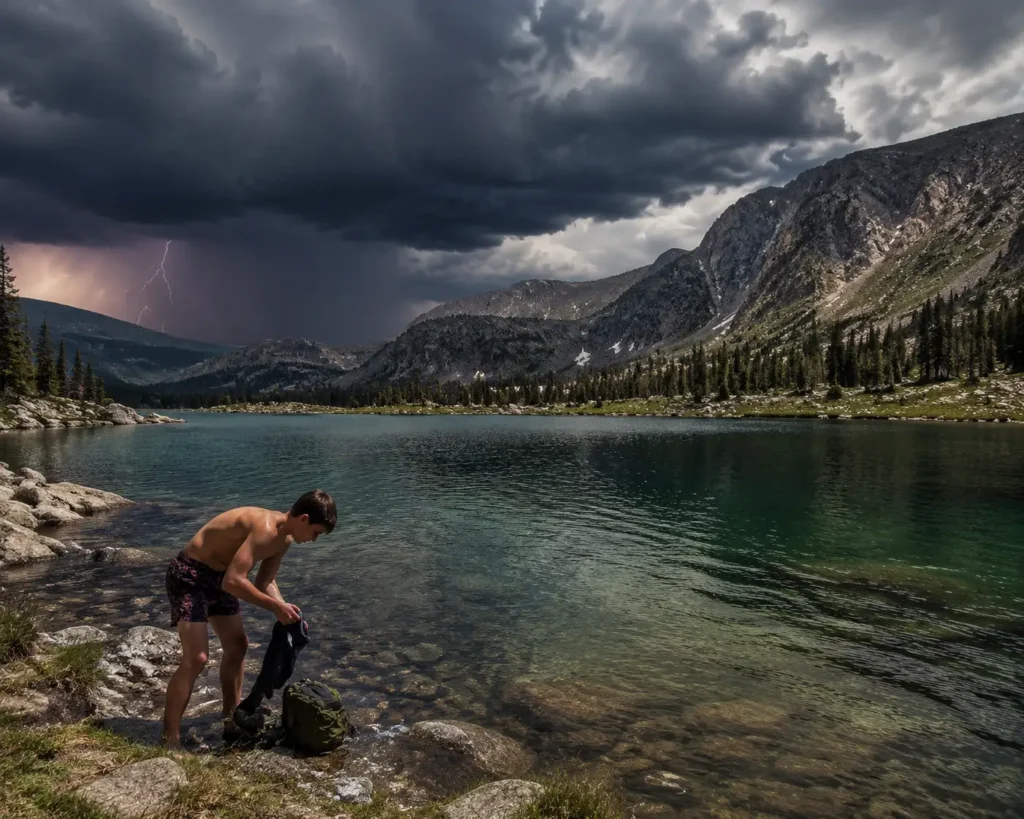
Understanding Colorado-specific swimming hazards keeps your lake day fun — not frightening. Several risks are unique to high-altitude and high-elevation swimming that out-of-state visitors in particular should understand before diving in.
Altitude Awareness
At elevations above 8,000 feet, your body works harder. Physical exertion in cold water at altitude can trigger fatigue faster than it would at sea level. As a result, even strong swimmers should take breaks more frequently, stay hydrated, and avoid overestimating their endurance.
Cold Water Shock
Mountain lake temperatures regularly sit between 55°F and 65°F—cold enough to trigger cold water shock, a dangerous involuntary gasping reflex that can cause inhalation of water. Therefore, always enter cold water gradually, never jump in headfirst unless you are certain of depth and temperature, and never swim alone in mountain lakes.
Blue-Green Algae (Cyanobacteria) Warnings
Colorado Parks & Wildlife issues seasonal algae warnings at lakes statewide. Blue-green algae blooms typically appear in late July and August when water temperatures rise. These blooms are toxic to both humans and dogs. Always check the Colorado Parks & Wildlife advisory page before visiting any lake on a hot summer day.
Lightning Risk
Colorado produces more afternoon thunderstorms than almost any other state. At mountain lakes and reservoirs, lightning storms can develop in under 20 minutes. Consequently, always plan to be off the water by 1:00 PM in mountainous areas, and monitor cloud buildup from the moment you arrive.
What to Pack for a Colorado Lake Day
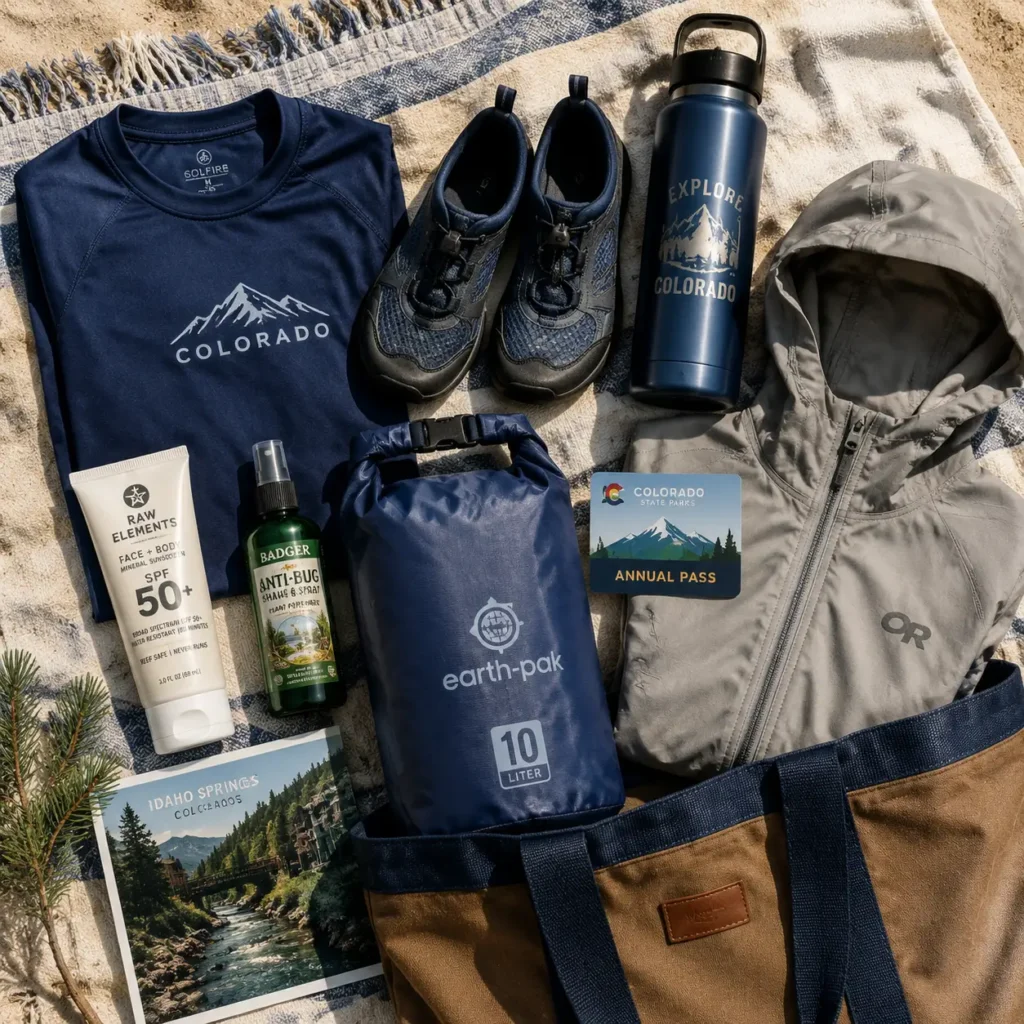
A well-packed bag transforms a good lake day into a great one. In addition to the obvious items, Colorado’s climate demands a few specific additions:
- Reef-safe sunscreen, SPF 50+—Colorado’s thin atmosphere provides less UV protection than coastal states
- Rash guard or UV swim shirt—Especially important for children above 8,000 feet
- Water shoes—Many lake entries have rocky or algae-slick bottoms
- Refillable water bottle—High altitude accelerates dehydration
- Windbreaker or light jacket—Mountain afternoons cool rapidly
- Bug spray—Mosquitoes are active near still water through July
- Waterproof dry bag — Protects phones, keys, and wallets
- Day pass or annual Colorado State Parks pass—Most swimming lakes charge a vehicle day fee
Frequently Asked Questions
Are there any swimmable lakes in Colorado?
Yes, there are dozens of swimmable lakes in Colorado. The state’s extensive reservoir system (managed largely by Colorado Parks & Wildlife) includes designated swim beaches at Chatfield, Cherry Creek, Boulder, Horsetooth, and many others. Additionally, natural lakes like Grand Lake, Twin Lakes, and Lake Irwin permit swimming with no restrictions. However, some lakes — notably Lake Dillon (Dillon Reservoir) — prohibit swimming entirely because they supply drinking water to Denver and surrounding communities. Always confirm swimming is permitted before visiting.
What is the cleanest lake in Colorado?
Aurora Reservoir consistently earns high marks for water clarity and quality. Because it serves as a drinking water supply for the city of Aurora, it is closely monitored and maintained to strict quality standards. The water clarity at Aurora Reservoir is noticeably exceptional — you can see several feet into the water on a calm day. Horsetooth Reservoir, near Fort Collins, and Boulder Reservoir also maintain excellent water quality through active monitoring by local water authorities.
What is the most beautiful lake in Colorado?
Beauty is subjective, but Lake Irwin near Crested Butte and Steamboat Lake near Steamboat Springs are consistently cited as the most visually stunning swimming lakes in Colorado. Lake Irwin sits at roughly 10,000 feet with wildflower meadows and jagged peaks as a backdrop. Steamboat Lake mirrors Hahn’s Peak in conditions that look like a landscape painting. Twin Lakes, reflecting 14,000-foot mountains in their glacially formed basins, also make a strong claim. Grand Lake, Colorado’s deepest natural lake, rounds out the list for those who prioritize dramatic mountain water scenery.
Is it safe to swim in alpine lakes in Colorado?
Swimming in alpine lakes is safe if approached with the right precautions. The primary risks are cold water shock (water temperatures between 50–65°F), altitude-induced fatigue, and unpredictable afternoon thunderstorms. Specifically, avoid jumping directly into cold alpine water—always wade in slowly. Stay close to shore, take regular breaks, and watch the sky. Lakes above 9,500 feet are safest for experienced swimmers. Beginners and children are better suited to front-range reservoirs with designated swim beaches and warmer water temperatures.
Final Thoughts
Colorado’s swimming lakes are genuinely some of the most extraordinary in the country. From the lifeguarded ease of Boulder Reservoir to the high-altitude drama of Lake Irwin, there’s a lake day for every type of visitor—whether you’re planning a quick metro escape or a multi-day mountain retreat. The state’s parks system makes most of these lakes accessible, well-maintained, and stunningly beautiful.
The hardest part isn’t finding a lake to swim in Colorado anymore—it’s choosing just one. Start with your region, check current water quality advisories, grab your state parks pass, and go. The Rockies are waiting, and the water, cold as it might be, is absolutely worth it.